
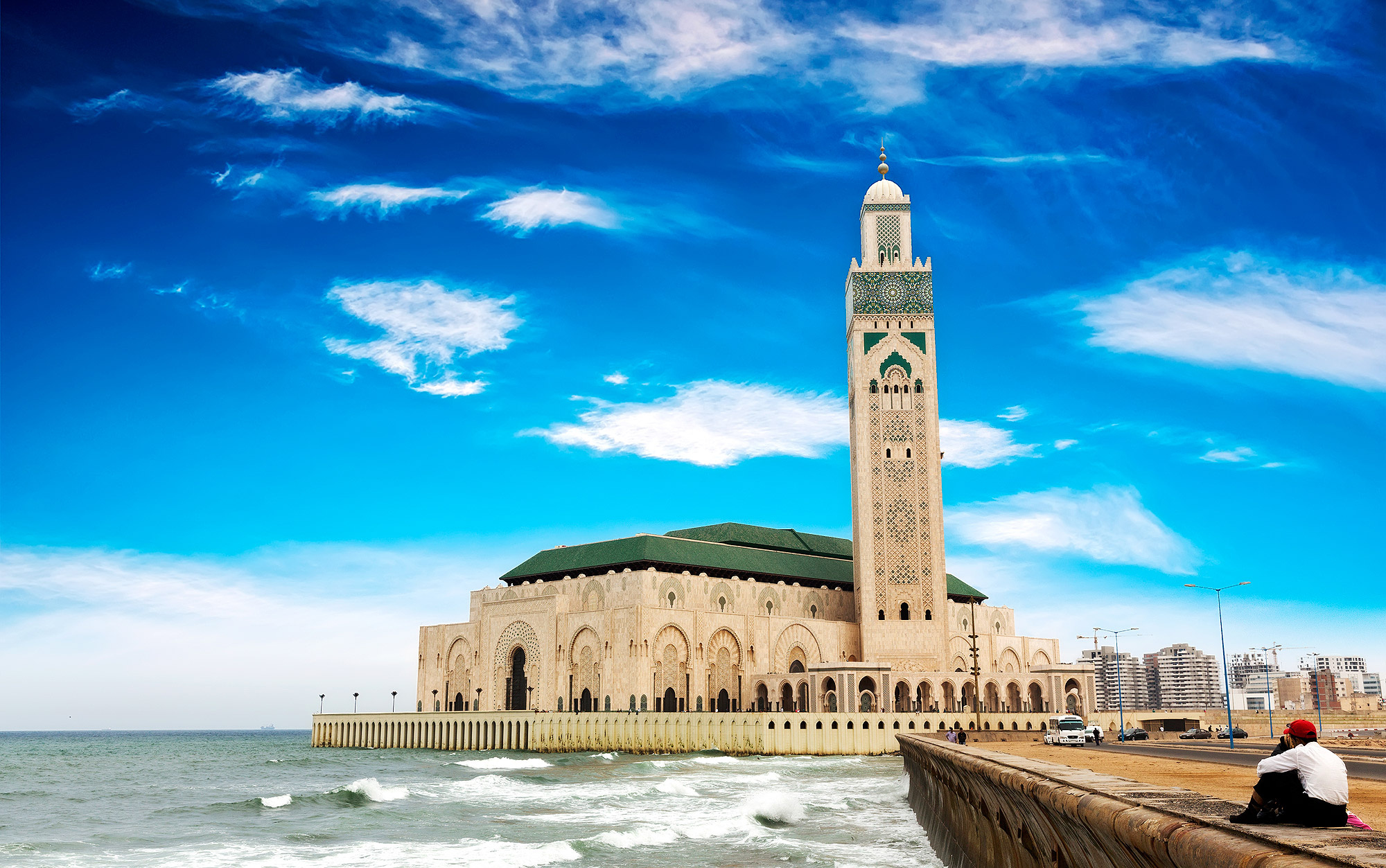
In the smoky haze of Rick's Café Américain, amidst the brewing storm of World War II, a love story unfolds that continues to captivate audiences generations later. Casablanca , a cinematic masterpiece, isn't just a film; it's an experience. A heady mix of romance, intrigue, and sacrifice, all set against a backdrop of global conflict. (Explore the enduring appeal of Casablanca in this in-depth review. Uncover the film's timeless romance, historical context, and why it remains a cinematic masterpiece.) The film weaves a narrative tapestry so rich and complex that its threads continue to resonate even today.
The movie explores themes of love and loss, duty and self-sacrifice, and the moral ambiguities of war. Its success lies not only in the performances of its iconic cast – Humphrey Bogart, Ingrid Bergman, and Paul Henreid – but also in the deft direction of Michael Curtiz and the sharp, witty script. The film cleverly balances the personal drama of Rick Blaine with the larger geopolitical stakes of the war, creating a story that is both intimate and epic in scope. Casablanca's influence on popular culture is undeniable, shaping our understanding of romance, heroism, and the complexities of human relationships during times of crisis.
So, why does Casablanca continue to hold such a powerful grip on our imaginations? Is it the undeniable chemistry between Bogart and Bergman? The exotic allure of a faraway land? Or perhaps it's the film's exploration of universal themes that transcend time and place? This Casablanca Movie Review: A Timeless Romance Set Against the Backdrop of War delves into the heart of the film, exploring its key elements and uncovering the secrets to its enduring appeal. We'll examine the characters, the plot, the historical context, and the lasting legacy of this cinematic treasure.
Ultimately, Casablanca endures because it offers more than just entertainment. It provides a glimpse into the human spirit's capacity for both great love and great sacrifice. It reminds us that even in the darkest of times, hope and heroism can prevail. The film's emotional resonance, combined with its historical significance and iconic status, makes it a truly unforgettable cinematic experience. Let's unpack this classic film and see what makes it so enduring.
A Love Triangle in a City of Refuge
Casablanca unfolds in the eponymous Moroccan city, a haven for refugees desperate to escape Nazi-occupied Europe. Rick Blaine (Humphrey Bogart), a cynical American expatriate, owns a popular nightclub. His world is turned upside down when Ilsa Lund (Ingrid Bergman), a woman he loved and lost years ago in Paris, walks back into his life with her husband, Victor Laszlo (Paul Henreid), a renowned Czech Resistance leader.
The presence of Ilsa and Victor forces Rick to confront his past and make a difficult choice: help them escape to America, even if it means sacrificing his own happiness, or succumb to his bitterness and watch them fall into the hands of the Nazis. The ensuing drama is a complex web of love, loyalty, and political intrigue, with Rick caught in the middle.
Rick Blaine: The Reluctant Hero
Rick is a fascinating character, a man shrouded in mystery with a hidden past. He's initially portrayed as a cynical and detached observer, seemingly indifferent to the plight of the refugees who frequent his cafe. However, beneath his hardened exterior lies a compassionate and idealistic man, scarred by past experiences.
His famous line, "I stick my neck out for nobody," is a facade, a defense mechanism to protect himself from further heartbreak. The arrival of Ilsa shatters this carefully constructed wall, forcing him to confront the pain and betrayal he has been trying to suppress.
Ilsa Lund: Torn Between Love and Duty
Ilsa is equally complex, a woman torn between her love for Rick and her duty to her husband and the Resistance cause. She's not simply a damsel in distress; she's a strong and intelligent woman who has made difficult choices in the face of extraordinary circumstances.
Her relationship with Rick is complicated by the fact that she believed Victor was dead when they were together in Paris. When she discovered he was alive, she felt obligated to return to him and continue their work. Her love for both men creates a moral dilemma that drives the emotional core of the film.
Victor Laszlo: The Idealistic Freedom Fighter
Victor Laszlo represents the unwavering spirit of resistance against Nazi tyranny. He's a courageous and determined leader, willing to sacrifice everything for the cause of freedom. He's also a man of integrity and compassion, deeply committed to his wife and his ideals.
While he's not as emotionally complex as Rick or Ilsa, Victor serves as a symbol of hope and resilience in a world engulfed in darkness. His unwavering commitment to his cause inspires Rick to ultimately make the right decision.
The Historical Context: A City on the Edge of War
Casablanca is not just a romance; it's also a powerful depiction of a city on the edge of war. The film captures the atmosphere of fear and uncertainty that permeated Casablanca during World War II, a place teeming with refugees desperate to escape the Nazi regime.
The city was under the control of the Vichy French government, a puppet regime of Nazi Germany. This created a complex and dangerous environment, where refugees were constantly at risk of being arrested and deported back to Europe. The film realistically portrays the desperation and vulnerability of these individuals, highlighting the human cost of war.
The Real Casablanca: A Refuge for the Displaced
The Casablanca depicted in the film was not entirely fictional. The real city was indeed a major transit point for refugees fleeing Nazi-occupied Europe. Many prominent figures, including artists, intellectuals, and political activists, passed through Casablanca on their way to safer destinations.
The film accurately captures the city's cosmopolitan atmosphere, with its diverse population of Europeans, Americans, and locals. It also reflects the pervasive corruption and black market activity that thrived in this environment.
The Vichy Regime: A Shadow of Collaboration
The Vichy French government, which controlled Casablanca at the time, was a collaborator with Nazi Germany. The film portrays the Vichy authorities as complicit in the persecution of refugees, highlighting the moral compromises that were made during the war.
The character of Captain Renault, the corrupt police chief, embodies the ambiguity of the Vichy regime. He's both a charming rogue and a ruthless enforcer of the law, willing to bend the rules for personal gain. His eventual redemption, however, offers a glimmer of hope amidst the darkness.
Timeless Themes and Enduring Appeal
Casablanca resonates with audiences today because it explores timeless themes that are relevant to the human experience. The film delves into the complexities of love, loss, sacrifice, and redemption, themes that transcend time and culture.
The film's exploration of moral ambiguity is also particularly compelling. None of the characters are purely good or purely evil; they all have flaws and make difficult choices in the face of challenging circumstances. This realism makes them relatable and adds depth to the story.
The Power of Sacrifice
The central theme of Casablanca is the power of sacrifice. Rick's ultimate decision to help Ilsa and Victor escape, even though it means sacrificing his own happiness, is a testament to the human capacity for selflessness.
His sacrifice is not just a romantic gesture; it's a political act of defiance against Nazi tyranny. By helping Victor continue his work, Rick contributes to the larger fight for freedom and justice.
The Complexity of Love
The love triangle between Rick, Ilsa, and Victor is a complex and emotionally charged element of the film. The film explores the different forms of love – romantic love, selfless love, and love for a cause – and the sacrifices that people are willing to make for those they love.
The film also suggests that love can be a powerful force for change, inspiring people to overcome their own self-interest and act for the greater good.
The Importance of Hope
Despite its somber setting, Casablanca ultimately offers a message of hope. The film suggests that even in the darkest of times, hope can prevail and that individuals can make a difference in the world.
Victor's unwavering commitment to his cause, Ilsa's strength and resilience, and Rick's ultimate act of sacrifice all demonstrate the power of hope in the face of adversity.
FAQ: Frequently Asked Questions About Casablanca
Here are some frequently asked questions about the film Casablanca and its enduring legacy. Hopefully, this answers a few things about the Casablanca Movie Review: A Timeless Romance Set Against the Backdrop of War .
General Questions What makes Casablanca such a classic film?
Casablanca is a classic due to its compelling story, iconic characters, memorable dialogue, and its exploration of timeless themes. Its setting against the backdrop of World War II adds historical significance and dramatic tension. It's a perfect blend of romance, intrigue, and suspense. When was Casablanca released?
Casablanca was released in 1942. Who directed Casablanca ?
Michael Curtiz directed Casablanca . Who are the main actors in Casablanca ?
The main actors are Humphrey Bogart, Ingrid Bergman, and Paul Henreid.
Plot and Characters What is the main plot of Casablanca ?
The main plot revolves around Rick Blaine, an American expatriate in Casablanca, who is forced to confront his past when his former lover, Ilsa Lund, arrives with her husband, Victor Laszlo, a renowned Resistance leader. Rick must decide whether to help them escape the Nazis or succumb to his own bitterness. Why is Rick so cynical at the beginning of the film?
Rick is cynical due to a past heartbreak with Ilsa. He was deeply in love with her in Paris, but she abandoned him without explanation. This experience has left him disillusioned and unwilling to get involved in anything emotionally. Why did Ilsa leave Rick in Paris?
Ilsa left Rick because she discovered that her husband, Victor Laszlo, who she thought was dead, was actually alive. She felt obligated to return to him and continue their work in the Resistance. What is the significance of Rick's Café Américain?
Rick's Café Américain is a central location in the film, serving as a meeting place for refugees, black marketeers, and various characters involved in the political intrigue of Casablanca. It represents a microcosm of the city itself, a place of hope, desperation, and moral ambiguity. Why does Rick ultimately help Ilsa and Victor?
Rick ultimately helps Ilsa and Victor because he realizes that their cause is more important than his own happiness. He also recognizes that Ilsa belongs with Victor, who needs her to continue his work in the Resistance. He makes a selfless decision to sacrifice his own desires for the greater good.
Themes and Historical Context What are the main themes explored in Casablanca ?
The main themes include love, sacrifice, duty, redemption, and the moral ambiguities of war. How does the historical context of World War II influence the film?
The historical context of World War II provides the backdrop for the film's drama and tension. The film reflects the desperation of refugees seeking escape from Nazi-occupied Europe, the political intrigue of the Vichy regime, and the moral compromises that were made during the war. Is Casablanca a realistic depiction of the city during World War II?
While Casablanca is a fictional story, it accurately captures the atmosphere of the city during World War II. It portrays the city as a major transit point for refugees, a place of corruption and black market activity, and a hub of political intrigue.
Legacy and Influence What is the legacy of Casablanca ?
Casablanca has had a profound influence on popular culture, shaping our understanding of romance, heroism, and the complexities of human relationships during times of crisis. It has been widely imitated and parodied, and its iconic lines are still quoted today. Why is Casablanca considered one of the greatest films of all time?
Casablanca is considered one of the greatest films of all time because of its compelling story, memorable characters, timeless themes, and its enduring emotional impact. It has stood the test of time and continues to resonate with audiences of all ages.
Conclusion: A Lasting Impression
Casablanca isn't just a movie; it's a cultural touchstone. Its themes of love, sacrifice, and duty resonate deeply, even today. The film's iconic characters, unforgettable dialogue, and its setting against the backdrop of World War II combine to create a cinematic experience that is both timeless and deeply moving. The complex relationships and moral dilemmas faced by Rick, Ilsa, and Victor continue to captivate audiences, prompting reflection on the choices we make in the face of adversity. This Casablanca Movie Review: A Timeless Romance Set Against the Backdrop of War aimed to highlight just why this film is so highly regarded.
Ultimately, the enduring appeal of Casablanca lies in its ability to tap into our deepest emotions and remind us of the importance of hope, courage, and compassion in a world often filled with darkness. The film's legacy is secured not only by its artistic merit but also by its profound impact on our collective consciousness. Casablanca remains a beacon of cinematic excellence, inspiring and captivating audiences for generations to come. So, if you haven't already, take a trip to Rick's Café Américain and experience the magic for yourself. You might just find that Casablanca is even more relevant today than it was when it was first released.