
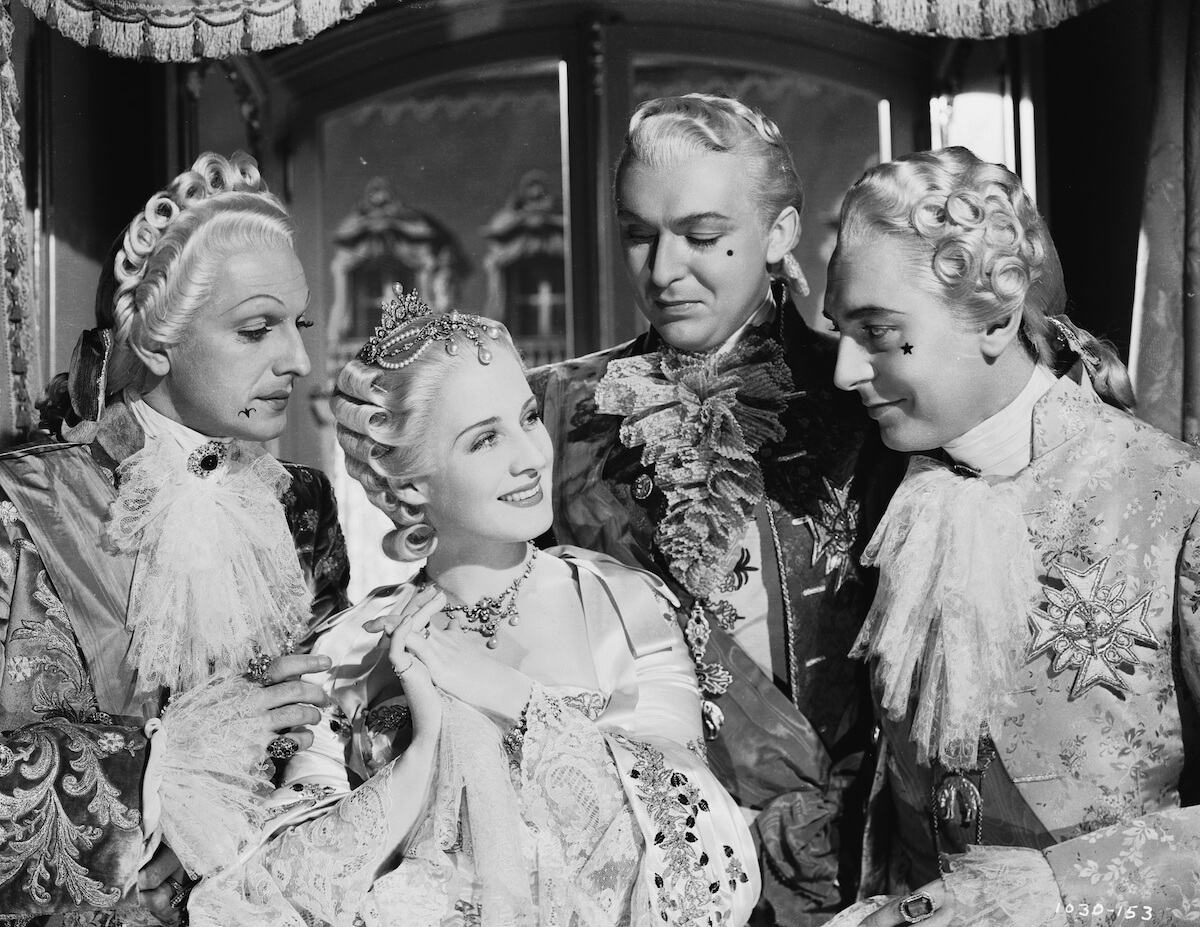
Picture this: powdered wigs, opulent gowns, and a queen who allegedly said, "Let them eat cake!" when told her starving subjects had no bread. Intrigued? This iconic image of Marie Antoinette, the last Queen of France before the French Revolution, has captivated imaginations for centuries. This Marie Antoinette Movie Review: The Life of the French Queen aims to unravel the complexities surrounding Sofia Coppola's 2006 film and its portrayal of this controversial historical figure. Was it a triumph of historical accuracy or a stylistic indulgence? Let's dive in and explore the fascinating world of Versailles, rebellion, and a queen who continues to spark debate.
Coppola's Marie Antoinette isn’t your typical historical drama. Instead of focusing solely on political intrigue and revolution, it offers an intimate, often dreamlike glimpse into the queen's personal life. We see her as a young, naive Austrian girl thrust into the rigid and unfamiliar world of the French court. The film explores her isolation, her struggles to conform, and her attempts to find solace in fashion, parties, and relationships. The film's soundtrack, featuring contemporary artists like The Cure and New Order, further emphasizes its unconventional approach. This blending of historical setting and modern sensibility is what makes the film so unique – and also so controversial. Some critics praised it for its innovative take on history, while others criticized it for its historical inaccuracies and perceived lack of depth.
So, who is this review for? If you're curious about a different kind of historical movie, one that prioritizes atmosphere and emotional resonance over strict adherence to historical fact, then you're in the right place. This Marie Antoinette Movie Review: The Life of the French Queen is for anyone interested in exploring a visually stunning and emotionally engaging film that challenges traditional biopic conventions. Maybe you are a history buff curious about how Hollywood can portray a historical figure, or you simply enjoy Sofia Coppola's aesthetic. Regardless, we'll delve into the film's strengths and weaknesses, exploring its artistic choices and examining its impact on audiences and critics alike.
Ultimately, understanding Marie Antoinette requires acknowledging its artistic license. While the film doesn't shy away from showing the queen's excesses, it also attempts to humanize her, presenting her as a complex and vulnerable individual caught in the crosshairs of history. Is it a perfect historical representation? No. But it's a captivating and thought-provoking film that encourages viewers to reconsider their preconceived notions about this infamous queen. This deep dive into Marie Antoinette Movie Review: The Life of the French Queen will hopefully shed light on why it continues to be such a talked-about and debated film. So, grab your popcorn, and let's explore the opulent world of Versailles.
A Feast for the Eyes: Visuals and Soundtrack
Coppola's Marie Antoinette is undeniably a visually stunning film. The costume design, the set design, and the overall aesthetic are breathtaking. The film is awash in pastel colors, luxurious fabrics, and decadent pastries, creating a world of unparalleled beauty and extravagance. It's a visual feast that perfectly captures the opulence of the French court.
The Costumes: A Symphony of Silk and Lace
The costumes in Marie Antoinette are nothing short of spectacular. Designed by Milena Canonero, they are a riot of color and texture, showcasing the incredible artistry and craftsmanship of 18th-century fashion. Each gown is a work of art, adorned with intricate embroidery, delicate lace, and shimmering jewels. The costumes not only reflect the queen's personal style but also her changing emotional state. As she becomes more confident and assertive, her gowns become bolder and more elaborate.
The Soundtrack: A Modern Twist on History
One of the most distinctive features of Marie Antoinette is its anachronistic soundtrack. Coppola deliberately chose to incorporate contemporary music into the film, juxtaposing historical imagery with modern sounds. The soundtrack features artists like The Cure, New Order, and Aphex Twin, creating a unique and unexpected sonic landscape. Some critics found this jarring, while others praised it for its originality and its ability to connect with a modern audience.
The Sets and Locations: Versailles Reimagined
The film was shot on location at Versailles, giving it an unparalleled sense of authenticity. Coppola and her team transformed the palace into a vibrant and bustling hub of activity, capturing the grandeur and scale of the French court. The sets are meticulously detailed, from the opulent ballrooms to the queen's private chambers. Every detail contributes to the film's overall visual splendor.
Historical Accuracy vs. Artistic License
One of the biggest points of contention surrounding Marie Antoinette is its historical accuracy. While the film is based on real events and real people, it takes considerable liberties with the historical record. Coppola has stated that her goal was not to create a documentary but rather to offer a more intimate and subjective portrayal of the queen's life.
What the Film Gets Right
Despite its artistic liberties, Marie Antoinette does get some things right. The film accurately depicts the rigid and formal atmosphere of the French court, the queen's isolation and loneliness, and her struggles to conceive an heir. It also captures the growing discontent among the French people, which eventually led to the revolution. The attention to detail in the costumes and set design also lends the film a certain degree of historical authenticity.
Where the Film Deviates
The film deviates from the historical record in several key areas. It downplays the queen's political influence and her involvement in controversial decisions. It also glosses over some of the more negative aspects of her personality, presenting her as a more sympathetic and likable figure than she may have been in reality. The film's anachronistic soundtrack and its emphasis on fashion and parties also contribute to its somewhat ahistorical feel. Some historians feel that the film romanticizes the French monarchy and fails to adequately address the suffering of the French people.
Is Historical Accuracy Important?
Ultimately, whether or not historical accuracy is important depends on your expectations. If you're looking for a faithful and accurate portrayal of history, then Marie Antoinette may disappoint you. However, if you're open to a more subjective and stylized interpretation, then you may find the film to be a rewarding and thought-provoking experience. It is important to remember that the film is not a documentary but rather an artistic interpretation of history.
Kirsten Dunst as Marie Antoinette: A Performance to Remember
Kirsten Dunst's portrayal of Marie Antoinette is one of the film's greatest strengths. She perfectly captures the queen's youthful innocence, her vulnerability, and her growing sense of disillusionment. Dunst brings a remarkable depth and complexity to the role, making Marie Antoinette a relatable and sympathetic character.
A Fresh Perspective on a Controversial Figure
Dunst's performance challenges our preconceived notions about Marie Antoinette. She portrays her not as a heartless and extravagant queen but as a young woman who was thrust into a position of immense power and responsibility without adequate preparation. We see her struggles to navigate the treacherous waters of the French court, her longing for love and connection, and her growing awareness of the political turmoil that surrounds her.
Capturing the Queen's Emotional Journey
Dunst expertly conveys Marie Antoinette's emotional journey, from her initial naivete and optimism to her eventual despair and resignation. We see her joy in discovering the pleasures of Versailles, her frustration with the rigid court etiquette, and her heartbreak over her inability to produce an heir. Dunst's performance is nuanced and subtle, allowing us to empathize with Marie Antoinette's plight.
A Career-Defining Role
Marie Antoinette is arguably one of Dunst's most memorable roles. Her performance is both captivating and heartbreaking, solidifying her status as one of the most talented actresses of her generation. She brings a unique blend of vulnerability and strength to the role, making Marie Antoinette a truly unforgettable character.
The Film's Reception: A Mixed Bag
Marie Antoinette was met with a mixed reception upon its release. Some critics praised it for its originality, its visual splendor, and its compelling performances, while others criticized it for its historical inaccuracies, its anachronistic soundtrack, and its perceived lack of depth.
Critical Acclaim
Many critics lauded the film's visual style, praising its stunning costumes, its meticulous set design, and its overall aesthetic. They also praised Dunst's performance, calling it one of the best of her career. Some critics appreciated the film's unconventional approach to historical filmmaking, arguing that it offered a fresh and insightful perspective on Marie Antoinette's life.
Criticisms
Other critics were less impressed with the film. They criticized its historical inaccuracies, arguing that it painted a sanitized and romanticized picture of the French monarchy. They also found the anachronistic soundtrack to be jarring and distracting, arguing that it undermined the film's historical authenticity. Some critics felt that the film lacked depth and that it failed to adequately address the political and social issues of the time.
Box Office Performance
Marie Antoinette was not a major box office success. It earned a modest amount of money domestically, but it performed better overseas. Its mixed reception likely contributed to its relatively poor box office performance. However, the film has gained a cult following in the years since its release, and it continues to be a subject of debate and discussion.
Frequently Asked Questions about Marie Antoinette
Navigating the complexities of historical movies, especially one as stylized as Coppola's Marie Antoinette , can leave you with questions. Let's address some frequently asked questions to help clarify some common points of confusion or curiosity.
Was Marie Antoinette Really That Extravagant?
That's a complicated question. Historical accounts paint her as someone who enjoyed the finer things in life, particularly fashion and lavish parties. It's also true that the French monarchy lived in incredible luxury while the common people suffered. However, the extent of her personal extravagance is often exaggerated, especially in the context of the time period. She was definitely part of an opulent system, but the "Let them eat cake!" quote, which is often attributed to her, is almost certainly apocryphal and reflects a misrepresentation of her. It is worth noting that while reviewing the Marie Antoinette Movie Review: The Life of the French Queen , remember the era and social structure were radically different than today.
How Accurate is the Film's Depiction of Versailles?
The film does an excellent job of capturing the visual splendor of Versailles. The palace itself served as a primary filming location, which lends the film a significant degree of authenticity. The costumes and set design are also meticulously detailed, reflecting the opulence of the French court. However, it's important to remember that the film is a stylized interpretation, not a documentary. It focuses on the queen's personal experience within that environment rather than a purely historical representation of court life.
What's the Deal with the Modern Music?
The use of contemporary music is one of the film's most distinctive and controversial features. Coppola deliberately chose to incorporate songs by artists like The Cure and New Order to create a sense of emotional resonance and to connect with a modern audience. It's a stylistic choice that's meant to convey the queen's feelings of isolation and alienation, as well as the youthful energy of the court. Whether or not you find it effective is a matter of personal taste.
Did Marie Antoinette Really Have an Affair with Count Fersen?
The historical record is unclear about the nature of Marie Antoinette's relationship with Count Axel von Fersen. They were definitely close, and there's evidence to suggest that they may have been romantically involved. However, there's no definitive proof of an affair. The film portrays their relationship as a passionate but ultimately tragic love story.
What are Some Good Resources for Learning More About Marie Antoinette?
If you're interested in learning more about Marie Antoinette and the French Revolution, there are many excellent books and resources available. Some popular biographies include "Marie Antoinette: The Journey" by Antonia Fraser and "Marie Antoinette: A Life" by Evelyne Lever. You can also find a wealth of information online, including articles, documentaries, and historical websites.
Conclusion: A Stylish and Thought-Provoking Take on History
Marie Antoinette is not a perfect film, but it is a fascinating and visually stunning one. It offers a unique and unconventional take on history, prioritizing atmosphere and emotional resonance over strict historical accuracy. Kirsten Dunst delivers a captivating performance as the ill-fated queen, and the film's anachronistic soundtrack and opulent visuals create a truly unforgettable cinematic experience.
While the film's historical inaccuracies may be off-putting to some viewers, it's important to remember that it is not intended to be a documentary. It is rather an artistic interpretation of history, one that invites us to reconsider our preconceived notions about Marie Antoinette and the French Revolution. If you're looking for a traditional historical drama, this may not be the film for you. However, if you're open to a more stylized and subjective approach, then you may find Marie Antoinette to be a rewarding and thought-provoking experience.
Ultimately, Marie Antoinette's Movie Review: The Life of the French Queen depends on individual taste and expectations. Whether you love it or hate it, there's no denying that it's a film that sparks conversation and challenges our assumptions about history, biography, and the role of women in power. So, next time you're looking for a visually stunning and intellectually stimulating film, give Marie Antoinette a try. You might just find yourself captivated by the world of Versailles and the tragic story of its queen.