
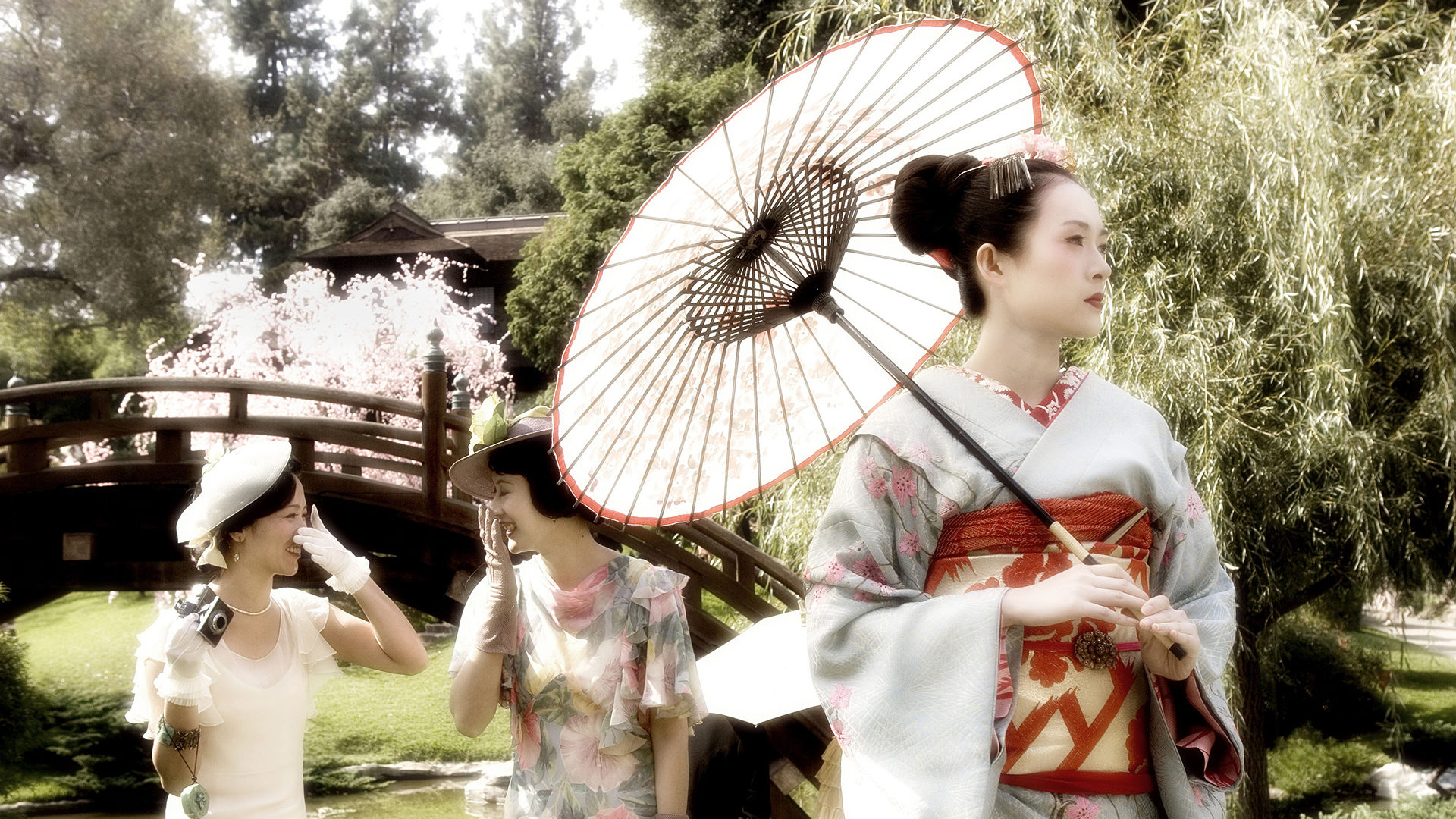
The world of geisha, shrouded in mystery and tradition, has always captivated our imaginations. Memoirs of a Geisha , the movie, offered a glimpse into this hidden world, sparking both fascination and controversy. This Memoirs of a Geisha Movie Review: A Look into the Hidden World of Geisha delves into the film's portrayal of geisha life, exploring its beauty, its challenges, and its historical context. (This Memoirs of a Geisha Movie Review examines the film's depiction of geisha culture, weighing its artistic merit against criticisms of authenticity and cultural appropriation.) Did the film succeed in accurately representing this intricate culture, or did it fall short?
The movie, adapted from Arthur Golden's bestselling novel, presents a sweeping narrative of a young girl, Chiyo, who is sold into a geisha house and undergoes rigorous training to become Sayuri, one of the most celebrated geisha in Kyoto. It's a visually stunning film, with meticulous attention to detail in costumes, makeup, and set design. The performances, particularly that of Ziyi Zhang as Sayuri, are compelling, drawing the viewer into her emotional journey. However, the film has also faced criticism for its historical inaccuracies, its portrayal of geisha as primarily objects of male desire, and the casting of Chinese actresses in the lead roles, raising questions about cultural appropriation.
Our exploration will navigate the complexities surrounding the film, examining its artistic merits alongside the criticisms leveled against it. We'll consider the historical context of geisha culture, the training and expectations placed upon these women, and the ways in which the film both illuminates and potentially distorts this reality. We'll also delve into the controversies surrounding the casting choices and the broader implications of cultural representation in Hollywood films. Ultimately, we aim to provide a balanced and nuanced Memoirs of a Geisha Movie Review: A Look into the Hidden World of Geisha , allowing you to form your own informed opinion about the film's impact and legacy.
This analysis of Memoirs of a Geisha will explore the film's strengths and weaknesses, considering both its artistic achievements and its problematic aspects. By examining the historical context, the cultural sensitivities involved, and the diverse perspectives on the film, we hope to offer a comprehensive understanding of its place in cinematic history and its impact on the perception of geisha culture. Ultimately, this exploration of Memoirs of a Geisha will provide you with a deeper understanding of the complexities of cultural representation and the importance of critical engagement with film.
A Geisha's World: Fact vs. Fiction
The Allure and Reality of Geisha Culture
Geisha, often misunderstood, are highly skilled entertainers trained in traditional Japanese arts such as music, dance, and tea ceremony. They are not prostitutes, as is a common misconception. Their role is to provide companionship and entertainment at exclusive gatherings. The film captures the dedication and discipline required to master these arts, but it also simplifies the complexities of geisha society.
Memoirs of a Geisha: A Critical Eye on Historical Accuracy
While visually stunning, Memoirs of a Geisha takes liberties with historical accuracy. The film romanticizes certain aspects of geisha life while glossing over the harsh realities and power dynamics within the okiya (geisha house). For instance, the film portrays the competition between geisha as primarily driven by romantic rivalry, whereas in reality, it was often fueled by economic and social pressures. Research into geisha culture reveals a far more intricate and nuanced world than the film presents.
Casting Controversies: A Question of Representation
The casting of Chinese actresses in the lead roles sparked significant controversy, with many arguing that it was a missed opportunity to showcase Japanese talent and a form of cultural appropriation. The debate highlighted the importance of authentic representation in film and the sensitivity surrounding cultural narratives. The backlash served as a reminder of the need for Hollywood to be more mindful of casting choices and their potential impact on cultural perceptions.
Inside the Movie: Plot, Characters, and Visuals
Storyline: A Journey of Transformation
The film follows Chiyo's journey from a poor village girl to the celebrated geisha Sayuri. We witness her struggles, her triumphs, and her ultimate search for love and acceptance. The plot is engaging, though some critics argue that it overly simplifies the complexities of geisha society, focusing more on romantic melodrama than on the nuances of the profession.
Memorable Characters and Their Portrayals
Ziyi Zhang delivers a compelling performance as Sayuri, capturing her resilience and vulnerability. Ken Watanabe as the Chairman offers a stoic and enigmatic presence. However, some characters, particularly Hatsumomo, are portrayed as stereotypical villains, lacking the depth and complexity that might have made them more compelling.
Visual Feast: The Beauty and Artistry of the Film
The film's visual appeal is undeniable. The costumes, makeup, and set design are breathtaking, transporting the viewer to the vibrant world of Kyoto. The cinematography is masterful, capturing the beauty of the Japanese landscape and the elegance of geisha performances. This visual richness, however, sometimes overshadows the film's narrative flaws.
Controversies and Criticisms: Beyond the Pretty Pictures
Cultural Appropriation: A Valid Concern?
The most significant criticism leveled against Memoirs of a Geisha is that of cultural appropriation. The casting of Chinese actresses in Japanese roles, the romanticized portrayal of geisha culture, and the simplification of historical complexities all contribute to this concern. Critics argue that the film perpetuates stereotypes and undermines the authenticity of the geisha experience.
The Male Gaze: Geisha as Objects of Desire
The film has also been criticized for presenting geisha primarily through the male gaze. The narrative focuses on their beauty and their ability to attract wealthy patrons, rather than exploring their agency and intellectual capabilities. This portrayal reinforces the stereotype of geisha as passive objects of male desire.
Historical Inaccuracies: Distorting Reality
Numerous historical inaccuracies have been identified in the film, ranging from minor details to significant plot points. These inaccuracies contribute to a distorted and romanticized view of geisha culture, failing to accurately represent the historical context and the challenges faced by these women.
Lasting Impressions: The Film's Impact and Legacy
A Gateway to Geisha Culture?
Despite its flaws, Memoirs of a Geisha has sparked interest in geisha culture worldwide. The film has served as a gateway for many to learn about this unique and often misunderstood tradition. However, it is crucial to approach the film critically, recognizing its limitations and seeking out more accurate and nuanced representations of geisha life.
The Power of Visual Storytelling
The film demonstrates the power of visual storytelling to transport audiences to different worlds and cultures. The stunning visuals and compelling performances create an immersive experience, even if the narrative is not entirely accurate. This highlights the importance of filmmakers taking responsibility for the cultural narratives they present.
Lessons Learned: Representation Matters
The controversies surrounding Memoirs of a Geisha underscore the importance of authentic representation in film. Casting choices, historical accuracy, and cultural sensitivity all play a crucial role in shaping audience perceptions and avoiding cultural appropriation. The film serves as a reminder that representation matters, and that filmmakers have a responsibility to portray diverse cultures with respect and understanding.
FAQ: Unveiling the Mysteries of Geisha and the Movie
General Questions About Geisha
What exactly is a geisha?
A geisha is a highly skilled entertainer trained in traditional Japanese arts, including music, dance, and tea ceremony. They provide companionship and entertainment at exclusive gatherings, and are known for their elegance, wit, and cultural knowledge. They are not prostitutes. This is a common and damaging misconception.
How does one become a geisha?
Becoming a geisha requires years of rigorous training, beginning in childhood or adolescence. Aspiring geisha, known as maiko during their apprenticeship, live in a okiya (geisha house) and learn from experienced geisha. The training includes mastering traditional arts, etiquette, and the art of conversation.
Is geisha culture still alive today?
Yes, geisha culture still exists, although it is not as prevalent as it once was. There are still geisha working in Kyoto and other parts of Japan, preserving this unique tradition. However, the number of geisha has declined in recent years due to changing social norms and economic factors.
Memoirs of a Geisha Movie Specific Questions
How accurate is Memoirs of a Geisha in its portrayal of geisha life?
While visually stunning, Memoirs of a Geisha takes liberties with historical accuracy and romanticizes certain aspects of geisha life. It simplifies the complexities of geisha society and focuses more on romantic melodrama than on the nuances of the profession. Therefore, it should not be considered a definitive or entirely accurate representation of geisha culture.
Why was there controversy surrounding the casting choices?
The casting of Chinese actresses in the lead roles sparked controversy because many felt it was a missed opportunity to showcase Japanese talent and a form of cultural appropriation. Critics argued that it perpetuated stereotypes and undermined the authenticity of the geisha experience.
What are some of the main criticisms of the film?
The main criticisms of Memoirs of a Geisha include cultural appropriation, the portrayal of geisha as primarily objects of male desire, historical inaccuracies, and the casting of Chinese actresses in Japanese roles.
Diving Deeper: Beyond the Surface
What are some resources for learning more about geisha culture?
To learn more about geisha culture, you can consult academic books, documentaries, and websites dedicated to Japanese history and culture. Visiting Kyoto and experiencing a traditional geisha performance can also provide valuable insights. Some reputable sources include Liza Dalby's "Geisha" and Lesley Downer's "Women of the Pleasure Quarters."
How can we approach films like Memoirs of a Geisha with a critical eye?
When watching films that depict different cultures, it's important to be aware of potential biases, stereotypes, and historical inaccuracies. Consider the perspectives of people from that culture and seek out diverse sources of information to form a balanced understanding.
What is the lasting impact of Memoirs of a Geisha on the perception of geisha culture?
Memoirs of a Geisha has undoubtedly raised awareness of geisha culture, but it has also contributed to misconceptions and stereotypes. It's crucial to approach the film critically and to seek out more accurate and nuanced representations of geisha life. The film serves as a reminder of the importance of authentic representation and cultural sensitivity in filmmaking.
Conclusion: Reflecting on the Beauty and the Controversy
Memoirs of a Geisha , as we've explored in this Memoirs of a Geisha Movie Review: A Look into the Hidden World of Geisha , remains a complex and controversial film. Its visual beauty and compelling performances are undeniable, but its historical inaccuracies and cultural appropriation cannot be ignored. While the film may have sparked interest in geisha culture, it's crucial to approach it with a critical eye and seek out more accurate and nuanced representations. Ultimately, Memoirs of a Geisha serves as a reminder of the importance of cultural sensitivity and authentic representation in filmmaking. So, the next time you watch a film depicting a different culture, remember to ask yourself: Whose story is being told, and how is it being told? This thoughtful approach will enrich your viewing experience and promote a deeper understanding of the world around us.