
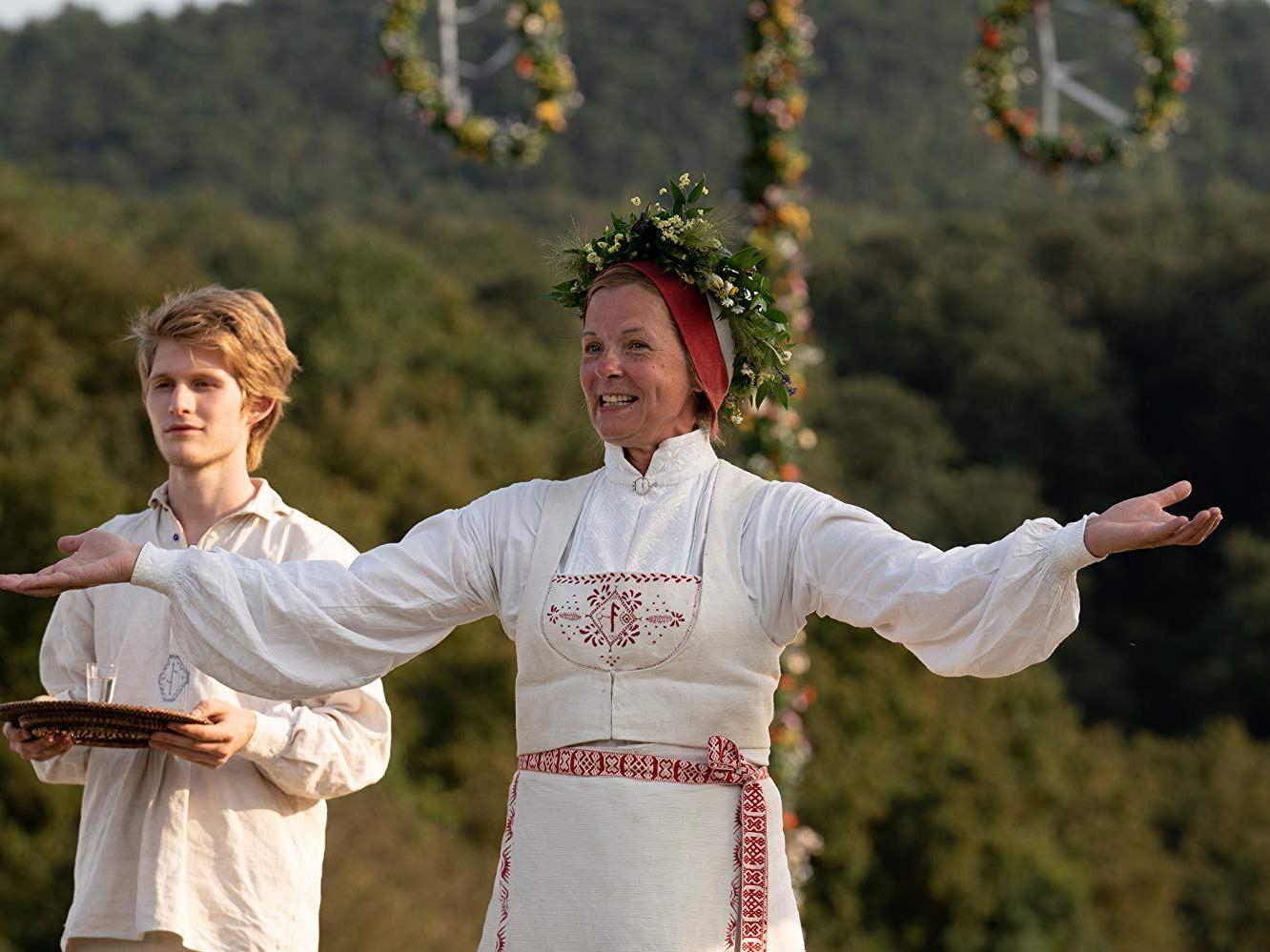
Sunlight streams through verdant fields, idyllic melodies fill the air, and flower crowns adorn unsuspecting victims – welcome to Midsommar , Ari Aster's unsettling daylight nightmare. Forget jump scares and shadowy figures; this is folk horror stripped bare, a descent into madness painted in the bright hues of a Swedish summer. A film that burrows under your skin, Midsommar isn't just a horror movie; it's an experience, a visceral exploration of grief, trauma, and the seductive allure of belonging. This Midsommar Movie Review: Folk Horror Under the Midnight Sun delves into what makes this film so disturbing and unforgettable.
The brilliance of Midsommar lies in its subversion of typical horror tropes. Instead of relying on darkness and jump scares, Aster uses the relentless daylight of the Swedish summer solstice to create a sense of unease. The constant sunshine becomes oppressive, mirroring the suffocating atmosphere of the isolated Hälsingland commune. The film is a masterclass in visual storytelling, with every frame meticulously crafted to evoke a specific emotion. From the vibrant costumes to the unsettling rituals, Midsommar is a feast for the eyes, even as it churns your stomach. The acting is superb, with Florence Pugh delivering a tour-de-force performance as Dani, a young woman grappling with unimaginable grief.
But who is Midsommar really for ? It's certainly not for the faint of heart. The film is intensely disturbing, featuring graphic violence and unsettling imagery. But for those who appreciate psychological horror and are willing to confront uncomfortable themes, Midsommar offers a truly rewarding experience. It's a film that stays with you long after the credits roll, prompting reflection on the nature of grief, the dangers of cults, and the human need for connection. If you're looking for a typical slasher flick, look elsewhere. But if you're craving a truly unique and unsettling cinematic experience, Midsommar might just be your cup of tea (or perhaps something a little stronger).
Ultimately, Midsommar Movie Review: Folk Horror Under the Midnight Sun reveals a film that transcends the horror genre. It's a complex and layered exploration of the human condition, set against the backdrop of a visually stunning and deeply unsettling world. From its masterful use of daylight to its exploration of grief and trauma, Midsommar is a film that will challenge and disturb you in equal measure. It's a testament to Ari Aster's skill as a filmmaker and a reminder that true horror can be found not in the shadows, but in the bright, unfiltered light of day. So, is it worth watching? If you're prepared to be disturbed and challenged, then absolutely.
The Journey Into Hälsingland: A Breakdown
Let's dive deeper into what makes Midsommar so captivating and, frankly, terrifying. We'll explore the narrative structure, the thematic elements, and the cinematic techniques that Ari Aster employs to create such a potent and unforgettable experience.
The Unfolding Nightmare
The film begins with Dani, reeling from a horrific family tragedy. Her already strained relationship with her boyfriend, Christian, is further complicated by his reluctance to fully commit. When Christian and his friends plan a trip to Sweden to visit their friend Pelle's ancestral commune for a Midsommar celebration, Dani impulsively invites herself along.
The Setup: The initial scenes establish Dani's fragile emotional state and the growing disconnect between her and Christian. This groundwork is crucial for understanding her later susceptibility to the commune's influence.
The Invitation: Pelle's invitation to witness the Midsommar celebration is the catalyst for the film's events. It sets the stage for the group's descent into the unsettling world of the Hälsingland commune.
The Arrival: The group's arrival at the commune is initially idyllic, with picturesque landscapes and welcoming villagers. However, subtle hints of unease begin to surface, foreshadowing the darkness to come.
The Descent into Madness
As the Midsommar celebration progresses, the rituals become increasingly bizarre and disturbing. The outsiders struggle to comprehend the commune's customs, and their unease grows with each passing day.
The Rituals: The film depicts a series of increasingly unsettling rituals, from the ättestupa (a ritual suicide of the elderly) to fertility ceremonies and human sacrifices. These rituals serve to expose the commune's extreme beliefs and practices.
The Isolation: The group becomes increasingly isolated from the outside world, both physically and emotionally. Their cell phones don't work, and they are discouraged from leaving the commune grounds. This isolation makes them more vulnerable to the commune's influence.
The Manipulation: Pelle and the other commune members subtly manipulate Dani and the others, exploiting their vulnerabilities and insecurities. They use flattery, drugs, and emotional manipulation to draw them deeper into the commune's web.
The Climax and Catharsis
The film culminates in a shocking and cathartic climax, as Dani fully embraces the commune's beliefs and participates in their final ritual.
The Choice: Dani is given a choice: to choose which of the male outsiders will be sacrificed. This choice represents her complete assimilation into the commune's culture.
The Sacrifice: The chosen outsider, along with the bodies of other sacrifices, is placed inside a bear carcass and burned alive in a ceremonial fire.
The Release: As the flames engulf the bear, Dani experiences a sense of release and belonging that she has never felt before. She finally finds a community that accepts her and understands her pain.
Themes Explored in Midsommar Midsommar is not just a horror film; it's a complex exploration of several important themes.
Grief and Trauma
At its core, Midsommar is a film about grief and trauma. Dani is struggling to cope with the sudden and tragic loss of her family. She is emotionally vulnerable and desperately seeking connection and support. The commune offers her a sense of community and belonging that she has been lacking in her life.
Relationships and Codependency
The film also explores the dynamics of relationships and codependency. Dani's relationship with Christian is strained and unhealthy. He is emotionally distant and unwilling to fully commit to her. Their relationship is a source of constant pain and frustration for Dani.
Cultural Clash and Outsider Syndrome
The film highlights the clash between Western culture and the traditions of the isolated Swedish commune. The outsiders struggle to understand the commune's customs and beliefs, and they are often met with suspicion and hostility. This cultural clash creates a sense of unease and alienation.
The Allure of Cults
Midsommar offers a chilling glimpse into the allure of cults. The commune offers its members a sense of community, purpose, and belonging. They are promised happiness and enlightenment, but at a terrible price. The film warns of the dangers of blindly following authority and surrendering one's individuality.
Cinematic Techniques Used in Midsommar
Ari Aster employs a variety of cinematic techniques to create a sense of unease and disorientation in Midsommar .
Visual Storytelling
The film is visually stunning, with every frame meticulously crafted to evoke a specific emotion. The use of bright colors and natural light creates a sense of unease, while the unsettling imagery and graphic violence are deeply disturbing.
Sound Design
The sound design is equally effective in creating a sense of unease. The use of ambient sounds, such as chanting and nature noises, creates a sense of immersion in the commune's world. The score is also unsettling, with dissonant melodies and jarring sound effects.
Pacing and Rhythm
The film's pacing is deliberate and methodical. Aster takes his time building the tension and creating a sense of dread. The slow burn approach allows the audience to become fully immersed in the story and to experience the characters' growing unease.
Performance and Character Development
The performances in Midsommar are outstanding, particularly Florence Pugh's portrayal of Dani. Pugh delivers a powerful and nuanced performance, capturing Dani's vulnerability, pain, and ultimate transformation. The supporting cast is also excellent, bringing depth and complexity to their roles.
Diving Deeper: Specific Scenes and Symbolism
Let's pinpoint a few specific scenes and explore their symbolic weight:
The Family Photo: The opening sequence, culminating in the horrifying discovery of Dani's family, is crucial. The jarring imagery and the overwhelming sense of loss set the stage for Dani's emotional vulnerability and her desperate search for solace.
The Ättestupa : This ritual suicide of the elderly is arguably the most shocking scene in the film. It forces the audience to confront the commune's brutal pragmatism and their disregard for individual life.
The Dancing Maypole: The dance competition around the maypole is a pivotal moment for Dani. Her initial reluctance gives way to a frenzied, almost ecstatic state as she becomes the May Queen, symbolizing her complete acceptance into the commune.
The Bear Sacrifice: The final scene, with Dani watching the burning bear, is a powerful and unsettling image. Her expression of blissful acceptance is both disturbing and cathartic, suggesting that she has finally found a sense of belonging, even if it comes at a terrible cost.
The Impact and Legacy of Midsommar Midsommar has had a significant impact on the horror genre, and its legacy continues to grow.
Revitalization of Folk Horror: The film has helped to revitalize the folk horror subgenre, inspiring a new wave of films that explore themes of paganism, isolation, and the dangers of tradition.
Elevated Horror: Midsommar is often cited as an example of "elevated horror," a term used to describe horror films that are more sophisticated and thought-provoking than traditional genre fare.
Cultural Impact: The film has entered the cultural zeitgeist, with its imagery and themes frequently referenced in other forms of media.
Is Midsommar the New Wicker Man ?
The comparisons to The Wicker Man (1973) are inevitable. Both films involve outsiders being drawn into isolated communities with unsettling traditions. However, Midsommar distinguishes itself through its focus on grief, trauma, and the female perspective. While The Wicker Man is a classic, Midsommar offers a more psychologically complex and emotionally resonant experience.
The Controversy Surrounding Midsommar Midsommar has also generated controversy, with some critics accusing it of being overly violent and exploitative. Others have praised it for its artistic merit and its willingness to explore difficult themes. Ultimately, the film's value is a matter of personal opinion.
FAQ: Your Burning Questions Answered
Let's tackle some of the most frequently asked questions about Midsommar :
General Questions
What is Midsommar about? Midsommar is a folk horror film about a young woman named Dani who travels to Sweden with her boyfriend and his friends to attend a Midsommar celebration. The celebration turns out to be a disturbing and violent experience, and Dani ultimately finds herself drawn into the commune's dark world.
Is Midsommar scary? Yes, Midsommar is a very scary film, but not in the traditional sense. It doesn't rely on jump scares or cheap thrills. Instead, it creates a sense of unease and dread through its unsettling imagery, disturbing rituals, and psychological themes.
Is Midsommar gory? Yes, Midsommar contains graphic violence and gore. However, the violence is not gratuitous; it serves to enhance the film's disturbing atmosphere and to underscore the brutality of the commune's practices.
Is Midsommar worth watching? That depends on your taste. If you enjoy psychological horror and are willing to confront uncomfortable themes, then Midsommar is definitely worth watching. However, if you are easily disturbed by violence or unsettling imagery, you might want to skip this one. For fans of Midsommar Movie Review: Folk Horror Under the Midnight Sun , it's a must-see.
Questions About the Characters
Why does Dani stay with Christian? Dani stays with Christian because she is emotionally dependent on him and afraid of being alone. She is also hoping that he will finally commit to her and give her the love and support that she needs.
Why is Christian such a bad boyfriend? Christian is a bad boyfriend because he is emotionally unavailable, self-centered, and unwilling to fully commit to Dani. He is more interested in his own needs and desires than in her well-being.
Why does Pelle manipulate Dani? Pelle manipulates Dani because he sees her as a potential recruit for the commune. He recognizes her emotional vulnerability and exploits it to draw her deeper into the commune's web.
Questions About the Commune
What is the Hälsingland commune? The Hälsingland commune is a fictional isolated community in Sweden that practices ancient pagan rituals. The commune is led by a group of elders who are deeply committed to their traditions, even if those traditions are violent and disturbing.
What are the commune's beliefs? The commune's beliefs are rooted in ancient paganism. They believe in the power of nature, the importance of community, and the need for sacrifice. They also believe in reincarnation and the cyclical nature of life.
Why do the commune members kill themselves? The commune members kill themselves as part of their rituals. The ättestupa is a ritual suicide of the elderly, while other sacrifices are made to appease the gods and ensure the commune's prosperity.
Questions About the Ending
What does the ending mean? The ending is open to interpretation. Some viewers believe that Dani has finally found a sense of belonging and happiness, while others believe that she has simply traded one form of trauma for another.
Is Dani happy at the end? Dani's happiness at the end is ambiguous. While she appears to be content, her happiness is based on a disturbing and violent foundation. It is possible that she is simply in a state of shock or denial.
Did Dani make the right choice? There is no right or wrong answer to this question. Dani made the choice that she believed was best for her at the time, given her emotional state and the circumstances she was in.
Final Thoughts: A Horror Film That Haunts
Midsommar is a disturbing and unforgettable film that will stay with you long after the credits roll. It's a masterclass in psychological horror, with its unsettling imagery, disturbing rituals, and complex themes. While it's not for the faint of heart, those who appreciate thought-provoking and challenging cinema will find Midsommar to be a truly rewarding experience. The exploration of grief, trauma, and the seductive allure of belonging makes this Midsommar Movie Review: Folk Horror Under the Midnight Sun essential reading for understanding the film's enduring impact. If you're seeking a horror experience that lingers in your mind, Midsommar awaits.