
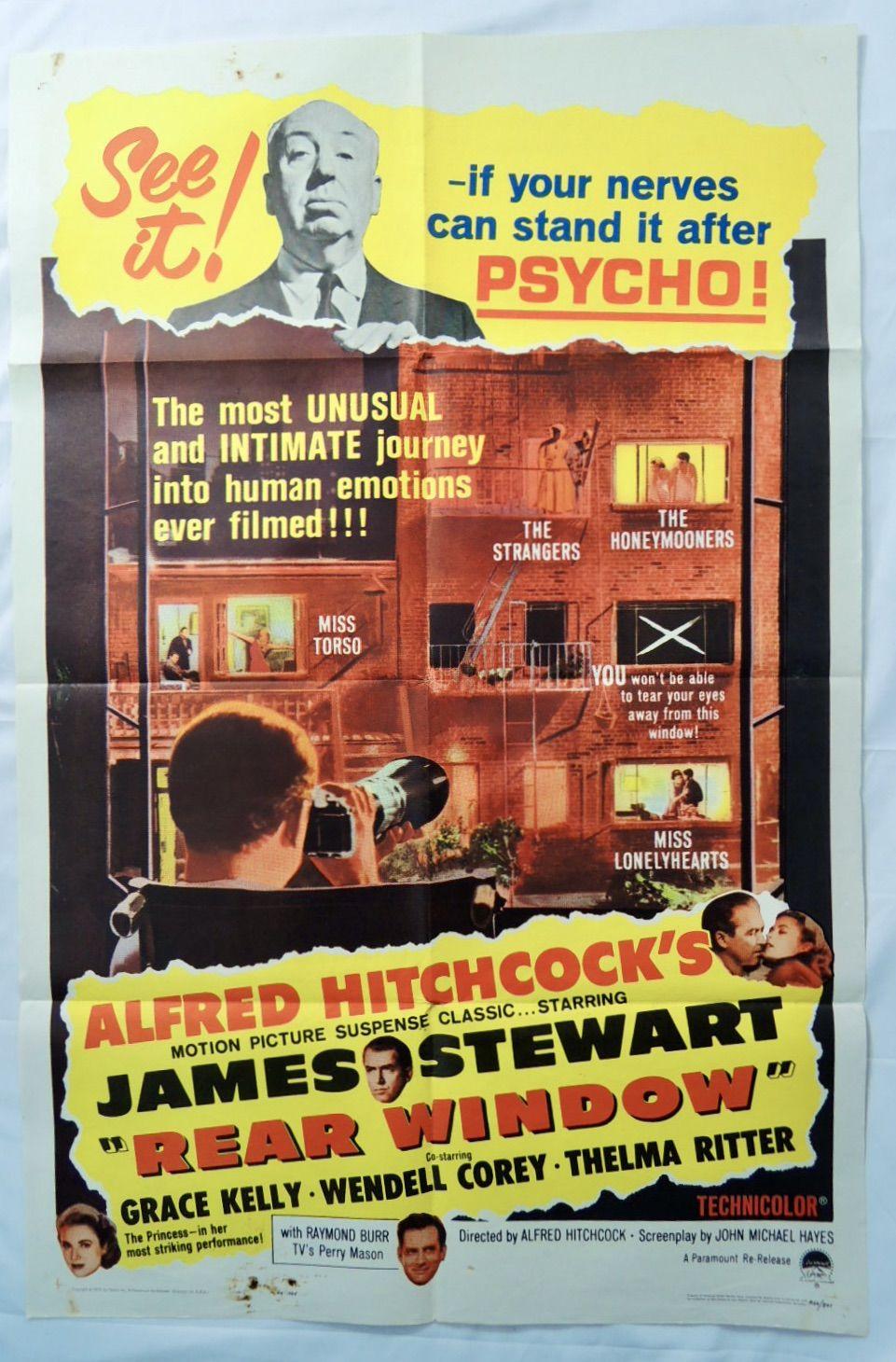
The sweltering heat of a New York summer, a broken leg, and a camera lens – these are the ingredients Alfred Hitchcock masterfully blends in Rear Window , a film that holds a magnifying glass to our voyeuristic tendencies. This cinematic masterpiece isn't just a thriller; it's a profound exploration of observation, suspicion, and the human condition, all confined within the four walls of Jeff Jeffries' Greenwich Village apartment. Dive into our Rear Window movie review and explore Hitchcock's thrilling examination of voyeurism, suspicion, and human nature, all within a confined space. What starts as a simple pastime soon spirals into a gripping mystery, forcing us to confront uncomfortable truths about ourselves and the world around us.
The film's brilliance lies in its masterful use of limited perspective. We experience the world solely through Jeffries' eyes, making us complicit in his voyeurism. As he spies on his neighbors, we're drawn into their lives, their dramas, and their secrets. The film subtly questions the ethics of observation and the dangers of jumping to conclusions. Are Jeffries' suspicions justified? Is he truly witnessing a murder, or is his boredom and confinement warping his perception? Rear Window forces us to grapple with these questions alongside him.
Rear Window Movie Review: Hitchcock's Chilling Look at Observation and Suspicion truly resonates because it taps into our primal curiosity and inherent distrust. We've all, at some point, been guilty of peeking behind the curtain, of wanting to know what goes on behind closed doors. Hitchcock expertly exploits this universal human trait, creating a narrative that is both thrilling and deeply unsettling. The film cleverly asks: how much can you really know about a person by simply watching them? And what are the consequences of interfering in their lives?
This review seeks to dissect the nuances of Hitchcock's cinematic genius, exploring the themes of voyeurism, suspicion, and the complexities of human relationships presented in Rear Window . By understanding the film's context, appreciating its technical brilliance, and considering its enduring relevance, we can fully grasp why Rear Window remains a timeless classic and a chilling testament to the power of observation and the perils of unchecked suspicion.
A Masterclass in Suspense: Unpacking the Narrative
The Setup: Confinement and Curiosity
Jeff Jeffries, a seasoned photographer, is confined to his apartment with a broken leg. Boredom sets in, and he begins to observe his neighbors across the courtyard. These aren't just random glimpses; Jeffries develops a keen interest in their lives, assigning narratives and projecting his own anxieties onto them. We meet Miss Lonelyhearts, a woman desperately seeking love; the newlyweds, lost in their honeymoon phase; the composer, struggling with his music; and, most importantly, Lars Thorwald and his bedridden wife.
The Inciting Incident: A Wife's Disappearance
Jeffries' passive observation takes a dark turn when he notices suspicious behavior from Lars Thorwald. The wife disappears, and Jeffries becomes convinced that Thorwald has murdered her. This suspicion fuels his voyeurism, transforming his passive observation into an active investigation. He enlists the help of his sophisticated girlfriend, Lisa Fremont, and his practical nurse, Stella, to gather evidence and expose Thorwald.
Building Tension: The Stakes Rise
Hitchcock masterfully builds tension throughout the film. The limited perspective, the close-up shots of Jeffries' increasingly anxious face, and the haunting score all contribute to a sense of unease. As Jeffries delves deeper into his investigation, the stakes rise. Thorwald becomes aware that he is being watched, and the hunter becomes the hunted. The climax is a heart-pounding confrontation between Jeffries and Thorwald, where the consequences of voyeurism and suspicion become terrifyingly real.
Decoding the Characters: A Microcosm of Society
Jeff Jeffries: The Voyeuristic Protagonist
Jeffries, played brilliantly by James Stewart, is a complex and flawed character. He is intelligent and observant, but also restless and dissatisfied with his own life. His voyeurism is fueled by boredom and a desire for excitement, but it also reveals a deeper fear of commitment and a tendency to judge others. His broken leg symbolizes his own sense of paralysis, both physically and emotionally.
Lisa Fremont: The Independent Woman
Lisa Fremont, played by Grace Kelly, is Jeffries' sophisticated and independent girlfriend. She represents a different world from Jeffries' adventurous lifestyle. Initially, she is hesitant to participate in his voyeuristic investigation, but she eventually embraces the challenge, proving her resourcefulness and courage. Lisa challenges Jeffries' preconceived notions about women and forces him to confront his own limitations.
Lars Thorwald: The Enigmatic Antagonist
Lars Thorwald is the enigmatic figure at the center of the mystery. He is quiet and reserved, but his actions are increasingly suspicious. Hitchcock deliberately keeps Thorwald's motives ambiguous, leaving the audience to question his guilt. Is he a cold-blooded murderer, or is he simply a victim of circumstance? Thorwald represents the hidden darkness that can lurk beneath the surface of everyday life.
Stella: The Voice of Reason
Stella, Jeffries' nurse, provides a grounded and often humorous perspective on the events unfolding. She is skeptical of Jeffries' suspicions, but she also offers practical advice and unwavering support. Stella acts as the voice of reason, reminding Jeffries and the audience of the potential consequences of their actions.
Hitchcock's Masterful Techniques: Visual Storytelling and Suspense
Limited Perspective: Immersing the Audience
One of Hitchcock's most brilliant techniques in Rear Window is the use of limited perspective. The audience only sees what Jeffries sees, experiencing the world solely through his eyes. This creates a sense of claustrophobia and paranoia, immersing the audience in Jeffries' subjective reality.
Visual Storytelling: Painting a Picture with Images
Hitchcock is a master of visual storytelling. He uses camera angles, lighting, and set design to create a sense of atmosphere and convey meaning. The courtyard becomes a stage, with each apartment window offering a glimpse into a different narrative. The use of shadows and darkness heightens the suspense, while the vibrant colors of the costumes and set design add a layer of visual richness.
Suspense and Surprise: Manipulating the Audience's Emotions
Hitchcock is known as the "Master of Suspense," and Rear Window is a prime example of his skill. He expertly manipulates the audience's emotions, building tension through slow pacing, suggestive imagery, and unexpected plot twists. He understands the power of anticipation, creating a sense of dread that lingers long after the credits roll. The film keeps you on the edge, making you anticipate the next move.
The Enduring Relevance: Themes That Resonate Today
Voyeurism and Privacy in the Digital Age
Rear Window's exploration of voyeurism is even more relevant today than it was in 1954. In the age of social media and constant surveillance, we are all, to some extent, voyeurs and exhibitionists. We share our lives online, inviting others to observe us, while also indulging in the lives of others. Rear Window reminds us to consider the ethical implications of our voyeuristic tendencies and to be mindful of the boundaries of privacy.
Suspicion and Paranoia in a Post-9/11 World
The film's themes of suspicion and paranoia also resonate in a post-9/11 world. In an era of heightened security and constant threat, we are encouraged to be vigilant and report suspicious activity. However, Rear Window cautions against jumping to conclusions and the dangers of unchecked suspicion. It reminds us to approach the world with a healthy dose of skepticism, but also with empathy and understanding.
The Power of Observation: Seeing Beyond the Surface
Rear Window ultimately celebrates the power of observation. Jeffries' keen eye and attention to detail allow him to uncover a crime that might otherwise have gone unnoticed. The film suggests that by paying attention to the world around us, we can gain a deeper understanding of human nature and the complexities of life. It encourages us to look beyond the surface and to see the stories that are unfolding all around us.
FAQ: Your Burning Questions Answered
About the Film
What is Rear Window about?
Rear Window is a thriller film directed by Alfred Hitchcock. The Rear Window Movie Review: Hitchcock's Chilling Look at Observation and Suspicion centers on Jeff Jeffries, a photographer with a broken leg, who becomes convinced that his neighbor has murdered his wife. Through his observations from his apartment window, Jeffries attempts to uncover the truth, leading to a suspenseful and dangerous investigation.
When was Rear Window released?
Rear Window was originally released in 1954. Its enduring appeal ensures its lasting impact, with analyses and discussions still relevant today, particularly regarding its themes of voyeurism and suspicion.
Who are the main actors in Rear Window ?
The main actors in Rear Window are James Stewart as Jeff Jeffries and Grace Kelly as Lisa Fremont. Their performances are iconic and contribute significantly to the film's overall success.
Themes and Analysis
What are the main themes explored in Rear Window ?
The main themes explored in Rear Window include voyeurism, suspicion, isolation, and the complexities of human relationships. The film also delves into the ethics of observation and the dangers of making assumptions about others' lives.
How does Hitchcock use voyeurism in Rear Window ?
Hitchcock uses voyeurism as a central plot device, exploring the audience's own fascination with observing others. By placing the viewer in the position of Jeffries, the film questions the morality of voyeurism and its potential consequences.
What is the significance of Jeffries' broken leg?
Jeffries' broken leg symbolizes his physical and emotional paralysis. It confines him to his apartment, forcing him to observe his neighbors and reflect on his own life. His immobility also makes him vulnerable, heightening the suspense of the film.
Technical Aspects
What is Hitchcock's use of suspense in Rear Window ?
Hitchcock is a master of suspense, and Rear Window is a prime example of his skill. He creates tension through slow pacing, suggestive imagery, and unexpected plot twists. He also uses the limited perspective to heighten the suspense, as the audience only sees what Jeffries sees.
How does the setting of the courtyard contribute to the film?
The courtyard serves as a microcosm of society, with each apartment window offering a glimpse into a different life. The confined setting also creates a sense of claustrophobia and paranoia, contributing to the overall atmosphere of suspense.
What is the significance of the camera angles and shots in Rear Window ?
Hitchcock uses camera angles and shots to create a sense of intimacy and voyeurism. Close-up shots of Jeffries' face convey his emotions, while long shots of the courtyard provide a broader perspective. The camera movements are deliberate and purposeful, guiding the audience's attention and building suspense.
Conclusion: A Timeless Masterpiece
Rear Window is more than just a thriller; it's a profound exploration of human nature. Rear Window Movie Review: Hitchcock's Chilling Look at Observation and Suspicion highlights the film’s enduring power lies in its ability to tap into our deepest fears and desires. The themes of voyeurism, suspicion, and isolation continue to resonate with audiences today, making the film as relevant as ever. Hitchcock's masterful direction, combined with the brilliant performances of James Stewart and Grace Kelly, creates a cinematic experience that is both thrilling and thought-provoking. Rear Window remains a testament to Hitchcock's genius and a chilling reminder of the power of observation and the perils of unchecked suspicion. It’s a film that stays with you long after the credits roll, prompting you to question your own voyeuristic tendencies and the secrets that may be hidden behind closed doors. So, the next time you find yourself glancing out the window, remember Jeffries and the cautionary tale of Rear Window . You might just see something you weren't meant to see.