
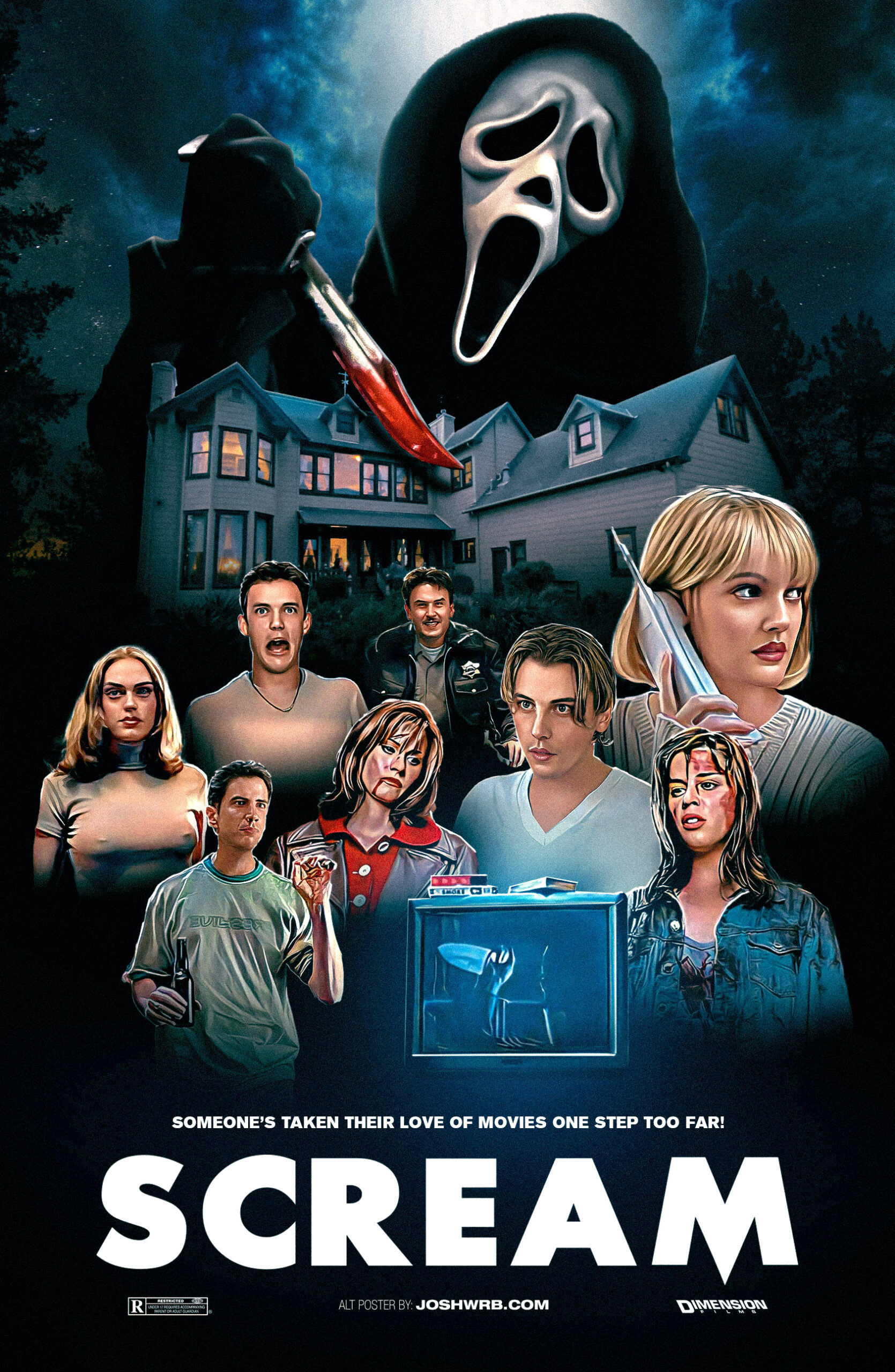
Horror movies, amirite ? Some are genuinely terrifying, some are unintentionally hilarious, and then there are the rare gems that completely redefine the genre. Scream , released in 1996, falls firmly into that last category. This Scream Movie Review: A Meta-Slasher That Reinvented the Genre explores why this film still resonates with audiences today. Its clever writing, self-aware humor, and genuinely suspenseful moments created a new kind of horror experience and changed the landscape of slasher films forever.
Scream wasn't just another teen slasher flick; it was a commentary on teen slasher flicks. The characters were aware of horror tropes, referencing movies like Halloween and Friday the 13th , even using them to try and predict the killer's next move. This meta-narrative approach was revolutionary and instantly set Scream apart. The film delivered genuine scares while also poking fun at the genre's clichés. It also revitalized the slasher subgenre, which had become stale and predictable by the mid-90s, paving the way for a new wave of self-aware horror.
So, why should you care about a movie that came out over two decades ago? Because Scream 's influence is still felt in horror today. From its witty dialogue and memorable characters to its shocking twists and turns, the film remains a masterclass in suspense and subversion. Whether you're a seasoned horror fan or a newbie looking for a smart and scary movie night, Scream is a must-watch. Scream offers a unique blend of thrills, laughs, and insightful commentary, earning its place as a true classic.
Ultimately, Scream Movie Review: A Meta-Slasher That Reinvented the Genre demonstrates how Wes Craven and Kevin Williamson expertly blended horror, comedy, and social commentary. The film’s legacy lives on, influencing countless filmmakers and shaping the expectations of horror audiences. Beyond the scares and the meta-humor, Scream is a testament to the power of clever storytelling and its ability to reinvent well-worn genres, solidifying its place as a true landmark in horror cinema.
Why Scream Still Matters: A Deep Dive
The Meta-Narrative: Horror That Knows It's Horror
Scream 's biggest innovation was its meta-narrative. The characters, especially Randy Meeks (played brilliantly by Jamie Kennedy), weren't just victims; they were horror movie experts. They knew the rules, the tropes, and the clichés. This allowed the film to be self-aware, commenting on the genre while simultaneously participating in it.
Breaking the Fourth Wall (Sort Of)
While Scream doesn't literally break the fourth wall, it comes close. The characters' constant references to other horror movies create a sense of knowingness, as if they're in on a joke with the audience. This makes the film more engaging and allows for moments of both genuine suspense and laugh-out-loud humor.
The Rules of Horror (According to Randy)
Randy's "rules" for surviving a horror movie became iconic. They were a humorous way to acknowledge the genre's conventions while also creating suspense. Will the characters follow the rules? Will they be subverted? These questions kept audiences on the edge of their seats.
The Characters: More Than Just Slasher Fodder
One of the reasons Scream resonated so strongly with audiences was its well-developed characters. They weren't just stereotypes; they were complex individuals with their own motivations and backstories.
Sidney Prescott: The Final Girl with Depth
Sidney Prescott (Neve Campbell) is a far cry from your typical final girl. She's traumatized by her mother's murder a year before, and she's dealing with the pressures of high school and relationships. Her strength and vulnerability made her a relatable and compelling protagonist.
Dewey Riley: The Lovable Deputy
Dewey Riley (David Arquette) is the well-meaning but slightly inept deputy who provides comic relief. However, he's also fiercely protective of Sidney and his friends. His character arc is one of the most heartwarming aspects of the film.
Gale Weathers: The Ambitious Reporter
Gale Weathers (Courteney Cox) is the ruthless reporter who will stop at nothing to get the story. While she's initially presented as an antagonist, she eventually becomes an ally to Sidney and Dewey. Her character adds a layer of cynicism and complexity to the film.
The Killer(s): Ghostface and the Psychology of Murder
Ghostface is one of the most iconic horror villains of all time. The mask is simple yet terrifying, and the voice changer adds an unsettling layer of anonymity. But what makes Ghostface truly scary is the psychology behind the mask.
The Reveal: More Than Just a Jump Scare
The reveal of the killers in Scream is one of the most shocking and memorable moments in horror history. It wasn't just a jump scare; it was a carefully constructed plot twist that revealed the motivations and psychology of the murderers.
Motives and Madness: Why They Did It
Billy Loomis (Skeet Ulrich) and Stu Macher's (Matthew Lillard) motives for the murders are complex and disturbing. They're not just mindless killers; they have a twisted sense of logic and a desire to create their own horror movie.
The Impact of Scream : Shaping the Future of Horror
Scream 's impact on the horror genre is undeniable. It revitalized the slasher subgenre, influenced countless filmmakers, and changed the way audiences think about horror movies.
Revitalizing the Slasher Genre
By the mid-90s, the slasher genre had become stale and predictable. Scream breathed new life into it by subverting expectations, offering self-aware commentary, and delivering genuine scares. It proved that slasher movies could be smart, funny, and terrifying all at the same time.
Influencing a New Generation of Horror Filmmakers
Scream 's success paved the way for a new wave of self-aware horror films, such as I Know What You Did Last Summer and Urban Legend . These movies followed Scream 's formula of blending horror with humor and self-referentiality.
Changing Audience Expectations
Scream changed the way audiences watch horror movies. It encouraged them to be more critical of the genre's tropes and clichés. It also showed them that horror movies could be more than just mindless entertainment; they could be smart, thought-provoking, and even funny.
Behind the Scenes: The Making of a Meta-Masterpiece
Wes Craven: The Master of Horror Reinventing Himself
Wes Craven was already a horror legend before Scream , having directed classics like A Nightmare on Elm Street and The Hills Have Eyes . But Scream allowed him to reinvent himself and prove that he could still surprise audiences.
Craven's Vision: Blending Horror and Humor
Craven's vision for Scream was to create a movie that was both scary and funny. He wanted to acknowledge the genre's conventions while also subverting them. He succeeded in creating a film that was both a loving tribute to and a scathing critique of the slasher genre.
Kevin Williamson: The Screenwriter Who Knew Horror
Kevin Williamson's screenplay for Scream was a stroke of genius. He had a deep understanding of horror movies, and he used that knowledge to create a script that was both clever and terrifying.
Williamson's Inspiration: A Real-Life Serial Killer
Williamson was inspired to write Scream after watching a news report about a real-life serial killer. He wanted to explore the psychology of violence and the impact it has on victims.
FAQ: Your Burning Scream Questions Answered
About the Movie
Is Scream scary?
Yes, Scream is definitely scary! While it has comedic elements, it also delivers genuine suspense and scares. The Ghostface character is terrifying, and the film is full of jump scares and moments of intense violence. But don't be fooled; Scream Movie Review: A Meta-Slasher That Reinvented the Genre is not just about the jump scares; it's about the psychological tension and the fear of the unknown.
Is Scream gory?
Scream does have some gore, but it's not overly gratuitous. The violence is often used to create suspense and shock rather than to simply disgust. The film is more focused on psychological horror than on explicit gore.
Is Scream appropriate for kids?
No, Scream is not appropriate for kids. It's a violent horror movie with mature themes. It's rated R for strong horror violence and language.
About the Meta Aspects
What does "meta" mean in the context of Scream ?
In the context of Scream , "meta" means that the film is self-aware and references its own genre. The characters are aware of horror movie tropes and clichés, and they often discuss them in the film.
Why is the meta aspect important?
The meta aspect is important because it allows Scream to be both a horror movie and a commentary on horror movies. It makes the film more engaging and thought-provoking, and it allows it to subvert audience expectations.
About the Characters
Who is the killer in Scream ?
The killers in the original Scream are Billy Loomis and Stu Macher.
What are the killers' motives?
Billy and Stu's motives are complex and disturbing. They're not just mindless killers; they have a twisted sense of logic and a desire to create their own horror movie.
About the Legacy
Is Scream still relevant today?
Yes, Scream is still relevant today. Its meta-narrative and clever writing continue to resonate with audiences. It also influenced a new generation of horror filmmakers.
Will there be more Scream movies?
Yes, there have been several Scream sequels, and more are likely to be made in the future. The franchise remains popular with horror fans.
Conclusion: Scream 's Enduring Legacy
Scream Movie Review: A Meta-Slasher That Reinvented the Genre shows us that it is more than just a scary movie. It's a smart, funny, and thought-provoking film that has had a lasting impact on the horror genre. Its meta-narrative, well-developed characters, and shocking twists and turns make it a must-watch for any horror fan. So, pop some popcorn, turn off the lights, and get ready to scream ! Whether you're a seasoned horror buff or a curious newcomer, Scream offers a uniquely thrilling and insightful experience that proves why it remains a genre-defining masterpiece.