
Ever wondered what would happen if one seemingly insignificant moment changed the entire trajectory of your life? “Sliding Doors” explores that tantalizing concept, offering a Sliding Doors Movie Review: Two Parallel Paths of Love and Life that’s both captivating and thought-provoking. This 1998 rom-com, starring Gwyneth Paltrow, cleverly showcases how a missed train can lead to drastically different realities. What makes this film so enduring isn’t just the romance or the clever premise, but the exploration of destiny, chance, and the choices we make. We dive into the film's two different paths following Helen Quilley, fired from her job. This review will explore the impact of those choices, and why “Sliding Doors” remains a fascinating watch.
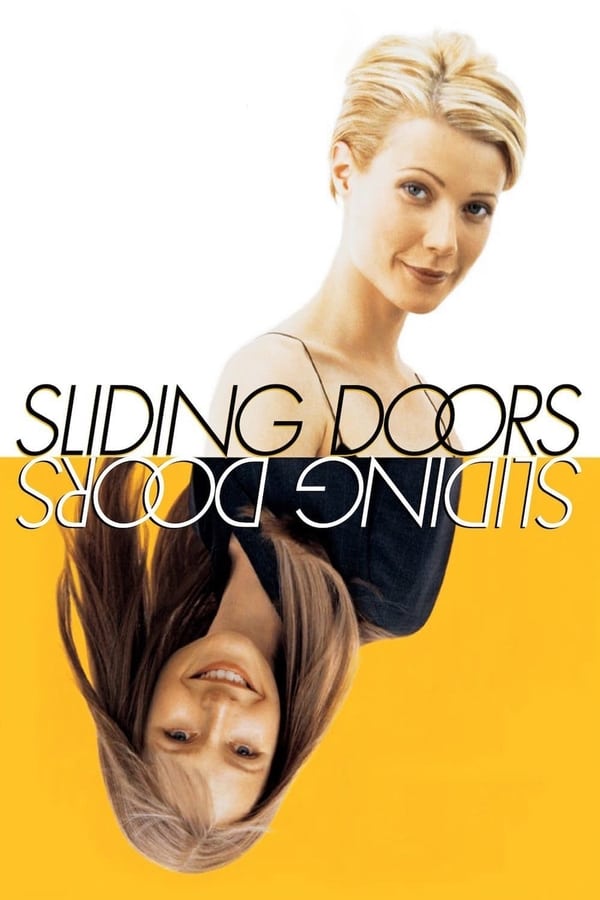
The film’s brilliance lies in its seamless weaving of two parallel narratives. One path sees Helen catching the train, leading to a series of events that uncover her boyfriend's infidelity and ultimately lead her to a new love. The other depicts Helen missing the train, resulting in a different set of circumstances where she remains oblivious to the affair and struggles to find a new job. The movie cleverly uses visual cues, like Paltrow's hairstyle, to differentiate between the two realities, making it easy for the audience to follow along. “Sliding Doors” isn't just about romantic entanglements; it's a commentary on life's unpredictable nature and the butterfly effect of our decisions.
Why does "Sliding Doors" continue to resonate with audiences? Beyond the engaging storyline and strong performances, it taps into a universal human experience: the "what if." We've all had moments where we've wondered how things might have turned out had we made a different choice. The film makes audiences see the importance of the power of choice and how it can affect all of our lives. "Sliding Doors" serves as a reminder that even the smallest decisions can have profound consequences. It’s a film that stays with you long after the credits roll, prompting reflection on your own life choices and the paths you've taken.
Ultimately, Sliding Doors Movie Review: Two Parallel Paths of Love and Life reveals a story about love, loss, and the unpredictable twists of fate. The exploration of these themes solidifies this film as a timeless classic within the romantic comedy genre. It’s a film that examines the "what ifs" and how fate, destiny and chance play in our lives. It’s not just a movie; it’s a mirror reflecting the endless possibilities of our own existence, prompting us to consider how every choice, big or small, shapes the unique narratives of our lives.
The Allure of "Sliding Doors": Why We're Still Talking About It
"Sliding Doors" isn't just another rom-com; it's a thought experiment disguised as entertainment. The film presents two distinct timelines stemming from a single, pivotal moment: whether or not Helen catches her train. This simple premise opens the door to explore themes of fate, choice, and the impact of seemingly insignificant events on our lives.
The "What If" Factor
We all have those moments we look back on and wonder, "What if I had done things differently?" "Sliding Doors" capitalizes on this universal human tendency. The film allows us to vicariously experience two different versions of Helen's life, each shaped by the outcome of that missed (or caught) train. It's a compelling reminder that our lives are not predetermined; they are a series of choices that lead us down different paths.
A Relatable Protagonist
Gwyneth Paltrow's portrayal of Helen is key to the film's success. She embodies a character that many viewers can relate to: a woman facing career challenges, relationship woes, and the uncertainty of the future. Helen is not perfect, but she's resilient and relatable, making her journey all the more engaging. We root for her in both timelines, hoping she finds happiness despite the obstacles she faces.
Exploring Themes of Infidelity and Second Chances
"Sliding Doors" doesn't shy away from exploring the complexities of relationships. The theme of infidelity is central to the plot, as Helen's boyfriend Gerry is revealed to be cheating on her in one of the timelines. The film examines the emotional toll of betrayal and the challenges of rebuilding trust. At the same time, it also offers a glimmer of hope for second chances, suggesting that even after experiencing heartbreak, it's possible to find love again.
Diving Deep into the Two Parallel Realities
The film's narrative structure is what truly sets it apart. By presenting two distinct timelines side-by-side, "Sliding Doors" invites us to compare and contrast the different paths Helen's life could take.
The Train Ride That Changes Everything
In one timeline, Helen catches the train. This seemingly insignificant event has a ripple effect, leading her to discover Gerry's affair with Lydia. Heartbroken and devastated, she ends the relationship and embarks on a journey of self-discovery. This path leads her to James, a charming and supportive man who offers her a new perspective on life and love.
Missing the Train: A Different Set of Challenges
In the other timeline, Helen misses the train. As a result, she remains unaware of Gerry's infidelity and continues to struggle in their relationship. This path presents a different set of challenges, as Helen faces unemployment, financial difficulties, and the growing suspicion that something is not right with Gerry.
The Significance of Small Choices
The film subtly highlights the significance of small choices. Even seemingly insignificant decisions, like whether to take a different route to work or strike up a conversation with a stranger, can have a profound impact on our lives. "Sliding Doors" reminds us that we are constantly shaping our own destinies, even in ways we may not realize.
A Visual Representation of Parallel Lives
Director Peter Howitt uses visual cues to help viewers differentiate between the two timelines. One of the most notable is Paltrow's hairstyle: in the timeline where she catches the train, she sports a shorter, more modern haircut, while in the other timeline, her hair remains longer. These subtle visual differences help us keep track of the two parallel narratives.
"Sliding Doors" and the Concept of Fate vs. Free Will
The film raises thought-provoking questions about the nature of fate and free will. Is our destiny predetermined, or do we have the power to shape our own lives through our choices?
Is Everything Predestined?
One interpretation of "Sliding Doors" is that everything is ultimately predetermined. Even though Helen experiences two different timelines, both paths ultimately lead her to a similar outcome: she eventually finds love and happiness. This suggests that fate may be at play, guiding her towards a predetermined destination regardless of the choices she makes along the way.
The Power of Choice
However, another interpretation emphasizes the power of choice. While the film explores the impact of seemingly random events, it also highlights the importance of Helen's decisions. In both timelines, she actively shapes her own life through her actions and reactions. She chooses to end her relationship with Gerry in one timeline, and she chooses to pursue a new relationship with James in the other. These choices demonstrate that we are not simply puppets of fate; we have agency and control over our own lives.
Finding Meaning in the Unexpected
Ultimately, "Sliding Doors" suggests that both fate and free will play a role in shaping our lives. We may not be able to control every event that happens to us, but we can control how we respond to those events. The film encourages us to embrace the unexpected and to find meaning in the twists and turns of life.
The Film's Lasting Impact on Popular Culture
"Sliding Doors" has had a lasting impact on popular culture, influencing everything from television shows to philosophical discussions.
The "Sliding Doors" Moment
The term "sliding doors moment" has entered the cultural lexicon to describe a pivotal moment in life that could lead to drastically different outcomes. It's a concept that resonates with many people, as we all have those moments we look back on and wonder, "What if?"
Exploring Alternate Realities
The film's exploration of alternate realities has inspired countless television shows and movies. From "The Family Man" to "Mr. Nobody," many films have explored the theme of parallel universes and the impact of different choices.
A Philosophical Conversation Starter
"Sliding Doors" has also become a popular conversation starter for philosophical discussions about fate, free will, and the nature of reality. The film's thought-provoking premise invites us to consider the big questions of life and our place in the universe.
FAQ: Your Burning Questions About "Sliding Doors" Answered
Still have questions about "Sliding Doors"? Here are some frequently asked questions about the film:
General Questions
What is the main message of "Sliding Doors"?
The film explores the idea that seemingly small choices can have a huge impact on our lives, leading us down different paths and shaping our destinies. It suggests that both fate and free will play a role in our lives, and that it's important to embrace the unexpected and find meaning in the twists and turns of life. The core message can be summed up as Sliding Doors Movie Review: Two Parallel Paths of Love and Life and how chance encounters and missed opportunities can lead to wildly different outcomes.
Is "Sliding Doors" a happy movie?
It's a bittersweet movie with a hopeful ending. While Helen experiences heartbreak and loss in both timelines, she ultimately finds love and happiness in the end.
Is "Sliding Doors" worth watching?
Absolutely! It's a well-made film with strong performances, a thought-provoking premise, and a relatable protagonist. It's a classic for a reason and continues to resonate with audiences today.
If you're a fan of romantic comedies with a touch of philosophical depth, you'll likely enjoy "Sliding Doors."
Plot and Character Questions
Why are there two Helens in the movie?
There aren't literally two Helens. The film presents two parallel timelines, each featuring a different version of Helen's life. This allows us to see how her life could have unfolded differently depending on whether or not she caught the train.
Who does Helen end up with in the end?
While the ending is somewhat ambiguous, the film suggests that she ends up with James.
What happens to Gerry in the end?
Gerry's fate is left somewhat open-ended. However, it is shown that Gerry is going to be a father and is committed to staying with Lydia.
Behind-the-Scenes Questions
Who directed "Sliding Doors"?
Peter Howitt directed "Sliding Doors."
Where was "Sliding Doors" filmed?
"Sliding Doors" was filmed primarily in London, England.
Frequently Asked Questions About the Movie's Deeper Meanings
Does the movie suggest that everything is predetermined? Not necessarily. While the movie explores how a single moment can drastically alter one's life trajectory, it also highlights the power of personal choices and resilience. Helen's actions and reactions within each timeline significantly shape her experiences and ultimately influence her fate. Therefore, it can be argued that the film presents a balance between predetermined events and free will.
What is the significance of the blue dress in the film? The blue dress is a powerful visual symbol that highlights a key difference between Helen's two parallel lives. The blue dress represents the reality where she caught the train.
How does "Sliding Doors" relate to the butterfly effect? The movie beautifully illustrates the butterfly effect, which is the idea that small, seemingly insignificant events can have major consequences. Helen's act of either catching or missing the train sets off a series of chain reactions that lead to vastly different outcomes in her personal and romantic life. This idea underscores the interconnectedness of events and the unpredictable nature of life.
Why is the ending left open to interpretation? The ambiguity of the ending encourages viewers to consider the themes of chance, destiny, and choice. The open-endedness of the film's Sliding Doors Movie Review: Two Parallel Paths of Love and Life prompts reflection on our own lives and decisions.
Frequently Asked Questions About the Actors and Production
Were there any challenges in filming the parallel storylines? Filming the parallel storylines required careful planning and execution to ensure continuity and clarity. The production team used various techniques, such as costume changes, makeup adjustments, and distinct camera angles, to help viewers distinguish between the two realities.
Did Gwyneth Paltrow enjoy playing the dual roles? Gwyneth Paltrow has spoken positively about her experience playing the dual roles in "Sliding Doors." She has mentioned that it was a challenging but rewarding experience that allowed her to explore different facets of her acting abilities.
Has the film inspired similar movies or TV shows? Yes, "Sliding Doors" has inspired numerous films and TV shows that explore the theme of parallel realities and the impact of choices. Some notable examples include "The Family Man," "Mr. Nobody," and "The Butterfly Effect."
Are there any interesting behind-the-scenes facts about the movie? One interesting fact is that the script for "Sliding Doors" was originally written as a stage play. Additionally, the production team faced logistical challenges while filming scenes in the London Underground due to the busy schedules of the trains.
Frequently Asked Questions About Themes and Interpretations
What does the film say about fate versus free will?
"Sliding Doors" doesn't definitively answer the question of fate versus free will but rather presents a compelling exploration of both concepts. It acknowledges that chance encounters and unforeseen circumstances can significantly alter our lives, but it also emphasizes the importance of personal choices and resilience in shaping our destinies.
How does the film comment on relationships and infidelity?
The film offers a nuanced portrayal of relationships and infidelity. It explores the emotional toll of betrayal and the challenges of rebuilding trust. It also shows that new love can emerge from painful experiences, and that sometimes, a fresh start is necessary for personal growth.
What are some of the subtle symbolic elements used in the film?
The film employs various subtle symbolic elements to enhance its themes. For example, the color blue is associated with the timeline where Helen catches the train, while red is linked to the timeline where she misses it. These colors subtly reinforce the distinct emotional tones of each reality.
What lessons can viewers take away from "Sliding Doors"?
Viewers can glean several valuable lessons from "Sliding Doors." The film reminds us to appreciate the present moment, to embrace change and uncertainty, and to recognize the power of our choices in shaping our own lives. It also encourages us to be open to new opportunities and relationships, even when faced with setbacks and disappointments. How does the movie play into the idea of 'what if' scenarios?
"Sliding Doors" acts as a powerful exploration of the "what if" scenarios that often plague human thought. It capitalizes on the universal human tendency to second-guess decisions and imagine alternative outcomes, allowing viewers to vicariously experience two dramatically different versions of Helen's life, each stemming from a single, chance event.
Conclusion: Embracing the Unpredictable Journey
In conclusion, Sliding Doors Movie Review: Two Parallel Paths of Love and Life offers more than just a simple love story; it's a thoughtful examination of the choices we make and the paths we take. The film reminds us that life is often unpredictable, and that even the smallest decisions can have a profound impact on our destinies. Whether you believe in fate or free will, "Sliding Doors" encourages us to embrace the journey, to learn from our mistakes, and to always be open to the possibilities that lie ahead. This film's Sliding Doors Movie Review: Two Parallel Paths of Love and Life is something that will always resonate with the audience.