
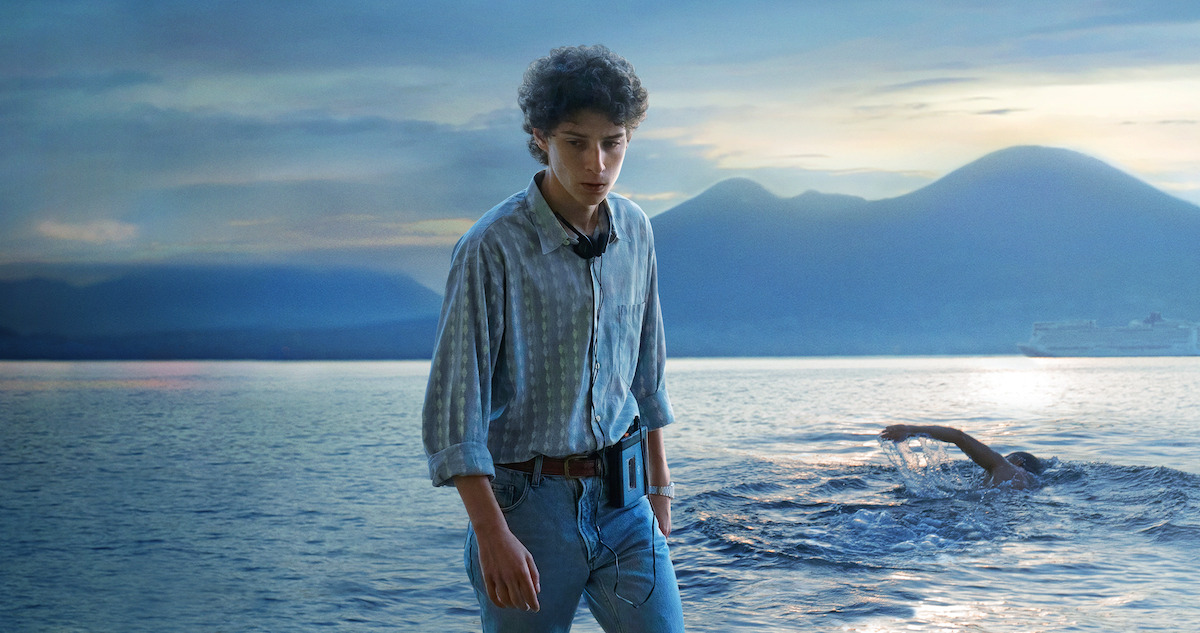
Immerse yourself in the sun-drenched streets and vibrant chaos of Naples through Paolo Sorrentino's semi-autobiographical masterpiece. The Hand of God isn't just a film; it's an evocative journey into the heart of adolescence, loss, and the intoxicating power of cinema. This movie review explores the film's poignant portrayal of a young man's life, navigating family, tragedy, and the burgeoning desire to find his place in the world. From the iconic Maradona-fueled dreams to the raw, unfiltered emotions of a family grappling with unforeseen circumstances, prepare to be captivated by a story that is both deeply personal and universally resonant. This is a look at The Hand of God Movie Review: A Young Man's Life in Naples .
Sorrentino masterfully blends humor and heartbreak, crafting a narrative that feels both nostalgic and brutally honest. We witness the protagonist, Fabietto Schisa, coming of age amidst the backdrop of 1980s Naples, a city pulsating with life, superstition, and the ever-present shadow of Mount Vesuvius. The arrival of Diego Maradona to Napoli's football team serves as a catalyst, igniting dreams and offering a temporary escape from the complexities of everyday life. However, this joyous distraction is soon overshadowed by a devastating tragedy, forcing Fabietto to confront the fragility of life and embark on a journey of self-discovery. The film showcases the complexities of family dynamics, the intoxicating allure of first love, and the transformative power of art.
Are you looking for a film that will stay with you long after the credits roll? Do you crave a story that is both deeply personal and universally relatable? Then The Hand of God is undoubtedly a must-watch. This isn't just a coming-of-age story; it's an exploration of grief, resilience, and the enduring power of hope. Sorrentino invites us into his world, sharing his memories and experiences with unflinching honesty and breathtaking artistry. The film is a testament to the human spirit's ability to find beauty and meaning even in the darkest of times. If you appreciate artful storytelling, compelling characters, and a glimpse into a vibrant and complex culture, this film will resonate deeply.
Ultimately, The Hand of God Movie Review: A Young Man's Life in Naples reveals a powerful and moving narrative about finding your own path in the face of loss and uncertainty. Sorrentino's personal touch makes the story all the more impactful. Through Fabietto's experiences, we are reminded of the importance of family, the transformative power of art, and the enduring search for meaning in life. So grab some popcorn, settle in, and prepare to be transported to the sun-drenched streets of Naples. You won't regret it.
The Magic of Maradona and the Reality of Life
Maradona: More Than Just a Footballer
The arrival of Diego Maradona in Naples is depicted as a near-religious event, infusing the city with hope and excitement. For Fabietto and his family, Maradona represents more than just a football player; he embodies a sense of possibility and escape from the mundane. Sorrentino uses Maradona as a symbol of Neapolitan dreams and aspirations, highlighting the city's passion for football and its ability to unite people from all walks of life. The film cleverly intertwines the euphoria surrounding Maradona's arrival with the unfolding personal dramas of Fabietto's life, creating a powerful contrast between the collective joy and individual struggles.
The Painful Truths Behind the Facade
Beneath the surface of vibrant family life and football fever, Sorrentino exposes the painful realities that lurk in the shadows. The film doesn't shy away from depicting the complexities of family relationships, the burden of secrets, and the devastating impact of loss. The sudden and unexpected tragedy that befalls Fabietto's family serves as a turning point, forcing him to confront the fragility of life and re-evaluate his priorities. Sorrentino handles these sensitive themes with grace and sensitivity, avoiding sentimentality and instead focusing on the raw, unfiltered emotions of his characters.
Naples as a Character in Itself
Naples isn't just a backdrop; it's a character in its own right. Sorrentino paints a vivid portrait of the city, capturing its chaotic energy, its vibrant culture, and its unique blend of superstition and realism. The film showcases the beauty and ugliness of Naples, its history and its present, its charm and its contradictions. The city's inhabitants, with their eccentric personalities and colorful stories, add depth and richness to the narrative. Through Sorrentino's lens, Naples becomes a living, breathing entity, shaping the lives and experiences of its residents.
Fabietto's Journey: From Innocence to Awareness
Discovering a Passion for Cinema
Following the tragedy, Fabietto finds solace and purpose in the world of cinema. He becomes captivated by the art of filmmaking, seeing it as a way to make sense of his experiences and express his emotions. His encounters with filmmakers and artists expose him to new ideas and perspectives, encouraging him to pursue his own creative vision. The film portrays cinema as a transformative force, capable of providing meaning, catharsis, and a sense of belonging.
Finding His Voice in the Chaos
Fabietto's journey is one of self-discovery, as he navigates the challenges of adolescence and grapples with the complexities of adulthood. He learns to confront his fears, embrace his vulnerabilities, and find his voice in a world that often feels chaotic and unpredictable. The film emphasizes the importance of staying true to oneself, even in the face of adversity, and pursuing one's passions with unwavering determination.
The Power of Resilience and Hope
Despite the hardships he faces, Fabietto never loses hope. He learns to find strength in his relationships, to appreciate the beauty in the everyday, and to embrace the possibilities that lie ahead. The film is ultimately a testament to the human spirit's capacity for resilience and its ability to overcome even the most difficult challenges. Sorrentino reminds us that even in the darkest of times, there is always light to be found.
The Hand of God: A Personal and Universal Story
Sorrentino's Autobiographical Touch
The film's deeply personal nature is one of its greatest strengths. Sorrentino draws on his own experiences growing up in Naples, lending authenticity and emotional resonance to the story. The characters feel real and relatable, their struggles and triumphs mirroring those of many viewers. The autobiographical element adds a layer of vulnerability and honesty to the film, making it all the more impactful.
Themes that Resonate with Everyone
While rooted in Sorrentino's personal experiences, the themes explored in The Hand of God are universal. The film touches on issues of family, loss, love, identity, and the search for meaning, all of which resonate with audiences across cultures and backgrounds. The story's emotional core is what makes it so compelling and enduring. Everyone can connect with Fabietto's journey of self-discovery and his quest for happiness.
A Masterpiece of Italian Cinema
The Hand of God is a significant addition to Italian cinema, showcasing Sorrentino's unique vision and his ability to blend humor and tragedy in a way that is both thought-provoking and deeply moving. The film is a testament to the power of storytelling and its ability to connect us to one another on a human level. It is a film that will stay with you long after you've seen it, prompting you to reflect on your own life and your own search for meaning.
FAQ: Delving Deeper into The Hand of God
Understanding the Context
What is the significance of the title, The Hand of God ?
The title refers to Diego Maradona's infamous goal against England in the 1986 World Cup, where he used his hand to score. In the film, it symbolizes a moment of unexpected intervention, a twist of fate that alters the course of Fabietto's life. Some might view it as luck, others as destiny, but ultimately, The Hand of God Movie Review: A Young Man's Life in Naples interprets it as a powerful force shaping Fabietto's journey.
Is the film entirely autobiographical?
While the film is heavily inspired by Paolo Sorrentino's own life, it's not a strictly factual account. Certain events and characters are fictionalized or embellished for dramatic effect. However, the emotional core of the story, including the tragedy that befalls Fabietto's family, is rooted in Sorrentino's personal experiences.
What is the historical context of the film?
The film is set in Naples during the 1980s, a period marked by both economic hardship and cultural vibrancy. The arrival of Diego Maradona to Napoli's football team brought a sense of hope and pride to the city, providing a temporary escape from the challenges of everyday life. Understanding this historical context helps to appreciate the significance of Maradona's presence in the film and its impact on Fabietto's life.
Exploring the Themes
How does the film portray family dynamics?
The Hand of God offers a nuanced and complex portrayal of family relationships. The film showcases the love, loyalty, and support that bind families together, but also the tensions, secrets, and conflicts that can arise. Sorrentino doesn't shy away from depicting the flaws and imperfections of his characters, making them all the more relatable and human.
What is the role of grief in the film?
Grief is a central theme in The Hand of God , as Fabietto grapples with the sudden and unexpected loss of his parents. The film explores the different ways in which people cope with grief, from denial and anger to acceptance and healing. Sorrentino emphasizes the importance of allowing oneself to grieve and of finding support in relationships with others.
How does the film explore the theme of identity?
Fabietto's journey is one of self-discovery, as he attempts to define his identity and find his place in the world. He is influenced by his family, his friends, and the culture of Naples, but ultimately he must forge his own path. The film suggests that identity is not fixed or predetermined, but rather something that is constantly evolving and being shaped by our experiences.
Interpreting the Film
What is Sorrentino's message in The Hand of God ?
While there is no single, definitive message, The Hand of God Movie Review: A Young Man's Life in Naples suggests that even in the face of tragedy and uncertainty, it is possible to find meaning and purpose in life. The film encourages us to embrace our vulnerabilities, to pursue our passions, and to stay true to ourselves. It is a celebration of life, love, and the enduring power of the human spirit.
How does Sorrentino use symbolism in the film?
Sorrentino employs a variety of symbols throughout the film, adding layers of meaning and complexity to the narrative. Maradona, as mentioned earlier, represents hope and escape. The sea symbolizes freedom and possibility. The mysterious Baronessa embodies a kind of alluring danger and temptation. Paying attention to these symbols enhances our understanding of the film's themes and messages.
What makes The Hand of God a masterpiece?
The Hand of God is considered a masterpiece for several reasons. Its deeply personal and autobiographical nature lends authenticity and emotional resonance to the story. Sorrentino's masterful direction, writing, and cinematography create a visually stunning and emotionally compelling film. The film's universal themes resonate with audiences across cultures and backgrounds. All these elements combine to make The Hand of God Movie Review: A Young Man's Life in Naples a truly unforgettable cinematic experience.
Conclusion: A Lasting Impression
The Hand of God Movie Review: A Young Man's Life in Naples is a film that stays with you long after the credits roll. It's a poignant and beautifully crafted story about loss, resilience, and the search for meaning in life. Sorrentino's personal touch adds a layer of intimacy and authenticity to the narrative, making it all the more impactful. The film's universal themes resonate with audiences of all backgrounds, prompting us to reflect on our own lives and experiences. Whether you're a fan of Italian cinema, a lover of coming-of-age stories, or simply looking for a film that will move you, The Hand of God is a must-see.