
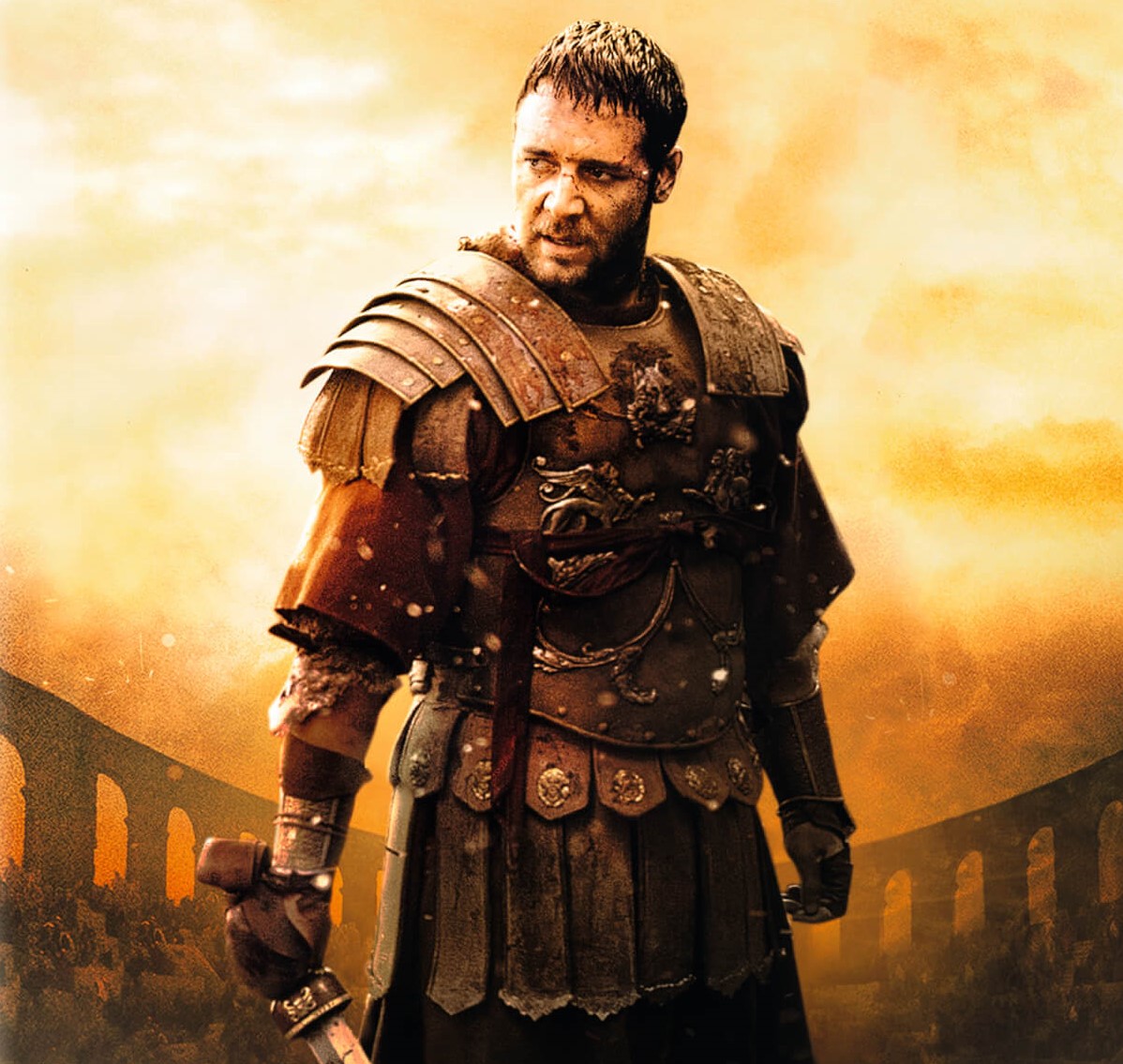
The roar of the crowd, the clash of steel, the thirst for vengeance – Ridley Scott's Gladiator is more than just a historical epic; it's a visceral journey into the heart of the Roman Empire. Gladiator Movie Review: Revenge in the Roman Empire isn’t just about swords and sandals; it's about betrayal, honor, and the enduring human spirit. (Dive into our Gladiator movie review: Revenge in the Roman Empire. Explore the epic tale of Maximus, betrayal, and the enduring quest for justice in ancient Rome.) This film, released in 2000, captivated audiences worldwide with its stunning visuals, compelling narrative, and Russell Crowe's unforgettable performance as Maximus Decimus Meridius. But what makes Gladiator so enduringly popular, and how does it hold up more than two decades later?
Beyond the spectacle of the arena, Gladiator delves into themes of political corruption, the abuse of power, and the resilience of the individual against overwhelming odds. The film masterfully portrays the contrast between the noble ideals of the Roman Republic and the decadence and tyranny of the Empire under Commodus. We see Maximus stripped of his rank, his family murdered, and forced into slavery, yet he never loses his moral compass or his determination to avenge the wrongs done to him. The supporting cast, including Joaquin Phoenix as the scheming Commodus and Connie Nielsen as the conflicted Lucilla, adds depth and complexity to the story, making it more than just a simple revenge tale.
The film's impact on popular culture is undeniable. Gladiator revitalized the historical epic genre, paving the way for other films and television shows set in ancient Rome. Its iconic imagery, memorable score by Hans Zimmer, and quotable lines have become deeply ingrained in our collective consciousness. But does Gladiator still resonate with audiences today? Is its portrayal of ancient Rome accurate, and does its story of revenge still hold relevance in the 21st century? These are the questions we'll explore as we delve deeper into Gladiator Movie Review: Revenge in the Roman Empire .
Ultimately, Gladiator is a film that transcends its historical setting to tell a universal story about justice, sacrifice, and the fight for freedom. Its enduring appeal lies in its ability to connect with audiences on an emotional level, reminding us of the importance of honor, courage, and the pursuit of what is right. From the sweeping landscapes of Hispania to the brutal gladiatorial combats of the Colosseum, Gladiator offers a cinematic experience that is both thrilling and thought-provoking, securing its place as a modern classic that defines Gladiator Movie Review: Revenge in the Roman Empire .
A Critical Look at the Arena: Gladiator's Strengths and Weaknesses
The Triumph of Visual Storytelling
Gladiator is a visual masterpiece. From the opening battle scene in Germania to the grandeur of Rome, the film's cinematography and production design are breathtaking. Ridley Scott masterfully uses lighting, camera angles, and set pieces to create a sense of scale and atmosphere. The Colosseum, in particular, is brought to life with stunning detail, making the gladiatorial combats feel incredibly realistic and visceral.
Attention to Detail
The costume design and props are equally impressive, contributing to the film's overall authenticity. The armor, weapons, and clothing are meticulously crafted, reflecting the historical period. The film also makes effective use of CGI to enhance the visual experience, particularly in creating the massive crowds and architectural wonders of ancient Rome.
Performances That Define a Generation
Russell Crowe's portrayal of Maximus is iconic. He embodies the character's strength, honor, and vulnerability with a nuanced performance that earned him an Academy Award for Best Actor. Joaquin Phoenix is equally compelling as the villainous Commodus, capturing the character's instability, jealousy, and cruelty. The supporting cast, including Connie Nielsen, Djimon Hounsou, and Oliver Reed, delivers strong performances that add depth and complexity to the story.
Crowe's Impact on the Role
Crowe's physical presence and emotional range are perfectly suited to the role of Maximus. He brings a sense of gravitas and authenticity to the character, making him both a formidable warrior and a deeply sympathetic figure. His performance is a key reason why Gladiator has resonated with audiences for so long.
Narrative Structure and Pacing
The film's narrative structure is straightforward but effective. It follows the classic revenge story arc, with Maximus seeking justice for the murder of his family and the betrayal of his emperor. The pacing is well-managed, with a good balance between action sequences, character development, and political intrigue.
The Power of Revenge
The theme of revenge is central to the film's narrative. Maximus's desire for vengeance drives him forward, even in the face of seemingly insurmountable odds. The film explores the psychological toll of revenge, as well as the potential for redemption and forgiveness.
Historical Accuracy: Separating Fact from Fiction
Roman Society and Politics
Gladiator offers a glimpse into the world of ancient Rome, but it's important to distinguish between historical fact and dramatic license. The film accurately portrays some aspects of Roman society and politics, such as the power of the Senate, the role of the emperor, and the popularity of gladiatorial combat.
The Senate's Influence
The film highlights the tension between the Senate and the emperor, which was a recurring theme in Roman history. The Senate represented the old Republican ideals, while the emperor embodied the autocratic power of the Empire.
Gladiatorial Combat and Entertainment
The film's depiction of gladiatorial combat is largely accurate, although it does exaggerate some aspects for dramatic effect. Gladiators were indeed popular entertainers in ancient Rome, and their battles were often brutal and bloody.
Types of Gladiators
The film features various types of gladiators, each with their own unique weapons and fighting styles. These included the retiarius , who used a net and trident, and the murmillo , who wore heavy armor and carried a sword and shield.
Historical Inaccuracies
Despite its strengths, Gladiator does take some liberties with historical accuracy. Commodus's portrayal as a completely evil and incompetent ruler is somewhat exaggerated, although he was indeed a controversial figure. The film also simplifies some of the political complexities of the Roman Empire.
The Death of Commodus
Historically, Commodus was not killed in gladiatorial combat. He was assassinated by his wrestling partner in 192 AD. This change was made for dramatic purposes, allowing for a more satisfying and climactic ending.
Gladiator's Enduring Legacy: Why It Still Matters
Impact on the Historical Epic Genre
Gladiator is widely credited with revitalizing the historical epic genre, which had fallen out of favor in the decades prior to its release. The film's success inspired other filmmakers to create similar projects, such as Troy , Kingdom of Heaven , and the television series Rome .
A New Wave of Historical Films
Gladiator demonstrated that audiences were still interested in historical stories, provided they were told in a visually compelling and emotionally engaging way. The film's influence can be seen in the increased production values and attention to detail that characterized historical films in the years following its release.
Themes That Resonate Today
The themes explored in Gladiator , such as political corruption, the abuse of power, and the fight for justice, are still relevant today. The film's message about the importance of honor, courage, and resilience continues to resonate with audiences around the world.
The Struggle Against Tyranny
Maximus's struggle against the tyrannical rule of Commodus is a timeless story that speaks to the human desire for freedom and self-determination. The film reminds us of the importance of standing up for what is right, even in the face of overwhelming odds.
The Power of Myth and Legend
Gladiator draws on the power of myth and legend to create a story that is both entertaining and meaningful. Maximus's journey from respected general to enslaved gladiator to avenging hero is reminiscent of classic myths and legends.
A Modern Myth
The film's blend of historical setting and mythical storytelling has helped to cement its place in popular culture. Gladiator is not just a historical film; it is a modern myth that continues to inspire and entertain audiences of all ages.
Frequently Asked Questions (FAQs) about Gladiator Movie Review: Revenge in the Roman Empire
Gladiator: The Basics
What is Gladiator about?
Gladiator is a historical drama film directed by Ridley Scott, released in 2000. It tells the story of Maximus Decimus Meridius, a Roman general betrayed and enslaved after the murder of Emperor Marcus Aurelius. Seeking revenge, he rises through the ranks as a gladiator to challenge the new emperor, Commodus. Gladiator Movie Review: Revenge in the Roman Empire often focuses on the themes of honor, justice, and the struggle against tyranny.
Who are the main actors in Gladiator ?
The main actors include Russell Crowe as Maximus Decimus Meridius, Joaquin Phoenix as Commodus, Connie Nielsen as Lucilla, Djimon Hounsou as Juba, and Richard Harris as Marcus Aurelius. Their performances greatly contributed to the film's success.
Where does Gladiator take place?
The film primarily takes place in the Roman Empire, with significant scenes in Germania, Hispania, and Rome, particularly in the Colosseum. These locations are crucial to the plot and historical context of the film.
Gladiator: Behind the Scenes
How historically accurate is Gladiator ?
While Gladiator is inspired by Roman history, it takes significant dramatic liberties. Some historical figures and events are portrayed differently for narrative purposes. However, it captures the essence of Roman society and the spectacle of gladiatorial combat.
What awards did Gladiator win?
Gladiator won five Academy Awards, including Best Picture, Best Actor for Russell Crowe, Best Costume Design, Best Sound, and Best Visual Effects. It was also nominated for several other awards.
What was the budget and box office success of Gladiator ?
The film had a budget of approximately $103 million and grossed over $460 million worldwide, making it a huge commercial success. Its box office performance helped revive the historical epic genre.
Gladiator: Themes and Interpretations
What are the main themes explored in Gladiator ?
The main themes include revenge, honor, justice, loyalty, and the corruption of power. These themes are central to Maximus's journey and resonate with audiences.
How does Gladiator portray Roman society?
Gladiator portrays Roman society as a complex mix of grandeur, decadence, and political intrigue. It highlights the power struggles between the Senate and the Emperor, as well as the lives of both the elite and the enslaved.
What is the significance of the ending of Gladiator ?
The ending of Gladiator sees Maximus defeating Commodus but succumbing to his wounds, symbolizing his ultimate sacrifice for justice and the restoration of honor. It provides a sense of closure and redemption for the character.
Gladiator: Cultural Impact
How did Gladiator influence other films and media?
Gladiator revitalized the historical epic genre, inspiring other films and TV shows set in ancient Rome, such as "Rome" and "Troy." It also influenced the visual style and storytelling of subsequent historical dramas.
What is the cultural legacy of Gladiator ?
The cultural legacy of Gladiator includes its iconic imagery, memorable quotes, and its impact on popular perceptions of ancient Rome. It remains a highly regarded and influential film in cinematic history.
Why is Gladiator still relevant today?
Gladiator remains relevant today because its themes of justice, revenge, and the struggle against tyranny are timeless and universal. The film's emotional depth and stunning visuals continue to captivate audiences. The movie earned its place in Gladiator Movie Review: Revenge in the Roman Empire .
Conclusion: Is Gladiator Still Worth Watching?
Absolutely. Gladiator is more than just a historical epic; it's a cinematic masterpiece that continues to captivate audiences with its stunning visuals, compelling narrative, and unforgettable performances. While it may take some liberties with historical accuracy, its themes of revenge, honor, and the fight for justice remain timeless and relevant. The film's influence on the historical epic genre is undeniable, and its iconic imagery and memorable score have cemented its place in popular culture. Whether you're a fan of historical dramas or simply looking for a thrilling and emotionally engaging film, Gladiator Movie Review: Revenge in the Roman Empire is a must-see. The quest for vengeance, combined with the exploration of themes like power and justice, ensures that Gladiator remains a powerful and moving cinematic experience. So, grab your popcorn, settle in, and prepare to be transported to the world of ancient Rome – you won't be disappointed.