
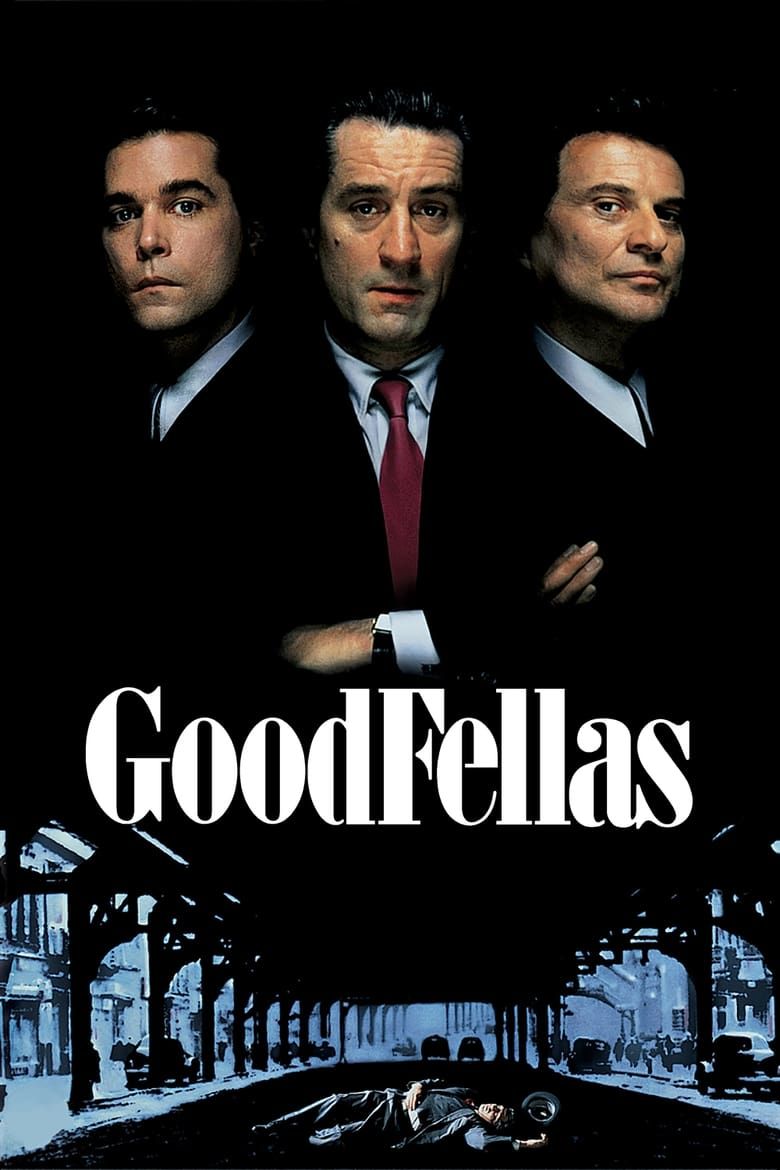
Goodfellas grabs you from the jump, throwing you headfirst into the chaotic, brutal, and strangely glamorous world of the Mafia. It’s a world of fast cars, wads of cash, and unwavering loyalty, but also one of constant paranoia, betrayal, and unimaginable violence. Dive deep into Goodfellas Movie Review: Life in the Mafia , exploring its impact, realistic portrayal, and lasting legacy. Is it a glorification or a cautionary tale?
Martin Scorsese’s masterpiece isn’t just a gangster film; it’s a visceral experience. From Henry Hill’s captivating narration to the iconic soundtrack, every element works in harmony to create a portrait of a life both alluring and horrifying. The film excels at showcasing the everyday realities of mob life – the mundane tasks, the constant hustle, and the ever-present threat of danger. Goodfellas explores themes of ambition, loyalty, and the corrupting influence of power.
But is Goodfellas a glorification of this lifestyle, or a cautionary tale? Does it romanticize the allure of easy money and unquestioning loyalty, or does it expose the brutal consequences and moral decay that come with it? Through Henry Hill’s rise and fall, the film asks us to consider the true cost of a life lived outside the law. The movie doesn’t shy away from showing the dark side of the mafia, and it definitely does not portray the life as just fun and games.
Ultimately, Goodfellas Movie Review: Life in the Mafia leaves a lasting impression precisely because it refuses to offer easy answers. It presents a complex and morally ambiguous world, leaving viewers to grapple with the allure and the horror of a life lived in the shadows. The fast-paced action and memorable characters make it a cinematic triumph, while its unflinching portrayal of violence and moral compromise make it a thought-provoking and disturbing experience.
The Allure and the Reality: Deconstructing Goodfellas
Goodfellas isn't just a story; it’s a masterclass in filmmaking. Scorsese’s direction, the sharp script, and the brilliant performances combine to create a truly unforgettable cinematic experience. But beyond the surface level, the film holds a mirror to American society, reflecting our fascination with power, wealth, and the forbidden.
The Scorsese Touch: A Master at Work
Martin Scorsese's distinctive directorial style is all over Goodfellas . From the rapid-fire editing to the handheld camera work, he plunges us right into the heart of the action. His use of voiceover narration, delivered with Henry Hill's distinctive tone, adds another layer of intimacy, making us feel like we're getting an inside scoop on this secret world. The long takes, particularly the iconic Copacabana sequence, are breathtaking displays of cinematic virtuosity. He doesn't just tell a story; he immerses you in it.
Performances That Define a Generation
The cast of Goodfellas is simply phenomenal. Robert De Niro as Jimmy Conway exudes a chilling intensity, while Joe Pesci as Tommy DeVito is a terrifying force of unpredictable rage. Ray Liotta as Henry Hill provides the perfect everyman perspective, drawn into a world he can never fully escape. The supporting cast, from Lorraine Bracco as Henry's long-suffering wife Karen to Paul Sorvino as the quietly menacing Paul Cicero, is equally outstanding. Each actor embodies their character with a raw authenticity that makes the film all the more compelling.
The Music: A Soundtrack to a Life of Crime
The soundtrack of Goodfellas is as iconic as the film itself. Scorsese masterfully uses music to underscore the emotions and energy of each scene. From the upbeat rock and roll of the 1950s to the soulful sounds of the 1970s, the music charts Henry Hill’s journey through the decades. It’s not just background noise; it’s an integral part of the storytelling.
Delving Deeper: The Themes of Goodfellas
Goodfellas is much more than just a gangster film; it’s a complex exploration of power, loyalty, and the American dream gone awry. It challenges us to consider the consequences of unchecked ambition and the allure of a life lived outside the boundaries of the law.
The American Dream: Twisted and Corrupted
Goodfellas presents a dark and cynical vision of the American dream. Henry Hill and his associates are driven by a desire for wealth, power, and respect, but they choose to pursue these goals through illegal means. Their pursuit of the American dream becomes twisted and corrupted, leading them down a path of violence, betrayal, and ultimately, destruction.
Loyalty and Betrayal: The Mafia Code
Loyalty is a central theme in Goodfellas , but it's a loyalty that is constantly tested and ultimately broken. The Mafia code demands absolute obedience and unwavering loyalty to the family, but as the film progresses, we see how easily these bonds can be shattered by greed, paranoia, and self-preservation. The betrayals that occur throughout the film highlight the inherent instability and danger of this lifestyle.
The Price of Power: Moral Decay
Goodfellas doesn’t shy away from showcasing the moral decay that accompanies the pursuit of power. As Henry and his associates rise through the ranks of the Mafia, they become increasingly detached from reality and capable of unspeakable acts of violence. The film forces us to confront the dark side of human nature and the corrupting influence of power.
Goodfellas: Fact vs. Fiction
While Goodfellas is a work of fiction, it’s heavily based on the real-life experiences of Henry Hill, as documented in the book Wiseguy by Nicholas Pileggi. But how much of the film is true, and how much is embellished for dramatic effect?
The Real Henry Hill: A Life of Crime
Henry Hill was a real person who spent decades involved in organized crime. He worked his way up through the ranks of the Lucchese crime family, participating in everything from petty theft to drug trafficking. He eventually became an informant, providing crucial testimony that led to the conviction of numerous Mafia members.
Fact vs. Fiction: What's Real, What's Not?
While Goodfellas stays largely true to the real events of Henry Hill’s life, some details were changed or condensed for the sake of storytelling. Certain characters were composites of multiple real-life figures, and some events were altered for dramatic effect. However, the film's overall portrayal of Mafia life is considered to be remarkably accurate.
The Impact of Goodfellas: Shaping Perceptions
Goodfellas has had a significant impact on how the Mafia is portrayed in popular culture. The film's realistic depiction of violence, its complex characters, and its unflinching portrayal of moral ambiguity have influenced countless other gangster films and television shows.
Frequently Asked Questions About Goodfellas
Let's tackle some common questions about Goodfellas Movie Review: Life in the Mafia .
Goodfellas: Basic Inquiries
Is Goodfellas based on a true story?
Yes, Goodfellas is based on the true story of Henry Hill, a mob associate. The film is adapted from the non-fiction book Wiseguy by Nicholas Pileggi, which chronicles Hill's life in the Mafia. This adds a layer of authenticity and makes the film all the more compelling.
Why is Goodfellas considered a classic?
Goodfellas is considered a classic for several reasons, including its masterful direction by Martin Scorsese, its stellar performances by Robert De Niro, Joe Pesci, and Ray Liotta, its iconic soundtrack, and its realistic depiction of Mafia life. The film’s fast-paced editing, its sharp script, and its unflinching portrayal of violence have all contributed to its enduring popularity.
Is Goodfellas a glorification of the Mafia?
This is a question that sparks much debate. While Goodfellas showcases the allure of the Mafia lifestyle – the money, the power, the respect – it also doesn't shy away from depicting the brutal consequences of that life. The film exposes the violence, the betrayal, and the moral decay that come with being involved in organized crime. Ultimately, whether Goodfellas is a glorification or a cautionary tale is up to the viewer to decide.
Goodfellas: Production and Impact
How did Martin Scorsese prepare for Goodfellas ?
Martin Scorsese conducted extensive research for Goodfellas , including interviewing Henry Hill and other former Mafia members. He wanted to create a film that felt as authentic and realistic as possible. Scorsese also encouraged his actors to improvise and add their own personal touches to their characters.
What impact did Goodfellas have on the gangster film genre?
Goodfellas had a profound impact on the gangster film genre. Its realistic portrayal of violence, its complex characters, and its unflinching portrayal of moral ambiguity set a new standard for the genre. The film influenced countless other gangster films and television shows, including The Sopranos and Boardwalk Empire .
How did the real Henry Hill feel about Goodfellas ?
The real Henry Hill was reportedly pleased with Goodfellas , praising its accuracy and authenticity. He even appeared in a cameo role in the film, as an extra standing outside a prison. Hill continued to profit from his association with Goodfellas for many years after its release, giving interviews and writing books about his life in the Mafia.
Goodfellas: Character Analysis
Why is Tommy DeVito such a memorable character?
Tommy DeVito, played by Joe Pesci, is one of the most memorable characters in Goodfellas due to his unpredictable and violent nature. He is a volatile and dangerous individual who is capable of extreme acts of violence. Pesci won an Academy Award for his performance, cementing Tommy DeVito’s place in cinematic history.
What motivates Henry Hill to get involved in the Mafia?
Henry Hill is drawn to the Mafia lifestyle from a young age, attracted by the power, the wealth, and the respect that it seems to offer. He sees the local gangsters as role models and wants to be like them. He is also motivated by a desire to escape his working-class upbringing and achieve the American dream through unconventional means.
How does Karen Hill’s perspective change throughout the film?
Karen Hill, played by Lorraine Bracco, begins the film as a naive and innocent woman who is drawn to Henry’s exciting and glamorous lifestyle. However, as she becomes more deeply involved in the Mafia world, she witnesses the violence and the betrayal firsthand. Her perspective gradually changes as she becomes increasingly disillusioned and fearful. By the end of the film, she is desperate to escape the Mafia and protect her family.
Goodfellas: Themes and Interpretation
What does Goodfellas say about the nature of power?
Goodfellas suggests that power is a corrupting force. As Henry and his associates rise through the ranks of the Mafia, they become increasingly detached from reality and capable of unspeakable acts of violence. The film shows how the pursuit of power can lead to moral decay and ultimately, destruction.
Is Goodfellas a celebration or a condemnation of the Mafia lifestyle?
As previously mentioned, this is open to interpretation. Goodfellas presents both the allure and the horror of the Mafia lifestyle. The film doesn’t shy away from showing the dark side of organized crime, but it also acknowledges the appeal of the money, the power, and the respect that it offers. Ultimately, the film leaves it up to the viewer to decide whether the Mafia lifestyle is something to be celebrated or condemned.
What is the significance of the ending of Goodfellas ?
The ending of Goodfellas is both ironic and tragic. Henry Hill, who spent his entire life pursuing wealth and power through illegal means, ends up in the witness protection program, living a mundane and ordinary life. He has lost everything – his friends, his family, his status, and his sense of identity. The ending suggests that the price of a life lived outside the law is ultimately too high.
The Enduring Legacy of Goodfellas Goodfellas Movie Review: Life in the Mafia remains a cinematic touchstone, influencing generations of filmmakers and captivating audiences with its raw energy, compelling characters, and unflinching portrayal of a life lived outside the law. The film’s impact on popular culture is undeniable, solidifying its place as one of the greatest gangster films ever made. If you want to delve in more details, plenty of resources are available, from academic papers exploring Scorsese's directing techniques to documentaries featuring interviews with the real people behind the characters. Exploring these resources will allow you to gain an even deeper appreciation for the film's artistry and cultural significance.