
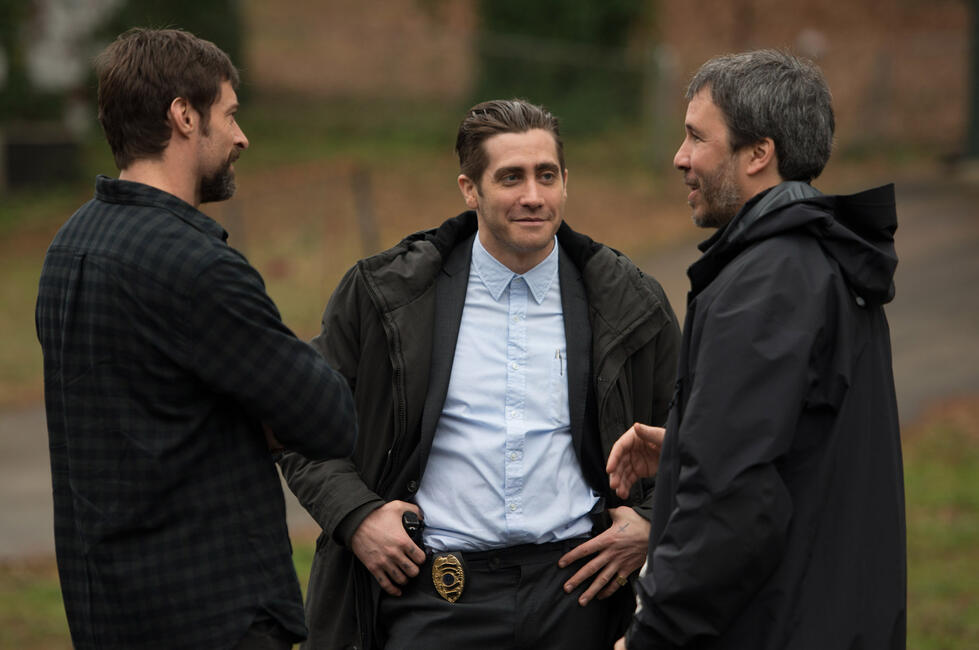
The rain-soaked streets, the chilling atmosphere, and the raw desperation etched on every character's face – Prisoners isn't just a thriller; it's an emotional gauntlet. Dive deep into the chilling world of Prisoners movie review, exploring themes of desperation, morality, and the lengths parents will go to protect their children. It's a film that burrows under your skin, leaving you grappling with uncomfortable truths long after the credits roll. Director Denis Villeneuve masterfully crafts a narrative that’s both gripping and thought-provoking, forcing us to confront the darkness that can reside within ordinary people when pushed to their limits.
The film expertly explores the complexities of morality, blurring the lines between right and wrong as Keller Dover, portrayed with gut-wrenching intensity by Hugh Jackman, takes matters into his own hands. Jake Gyllenhaal's Detective Loki provides a stark contrast, representing the unwavering pursuit of justice within the confines of the law. The supporting cast, including Maria Bello and Terrence Howard, adds layers of nuance to the story, showcasing the devastating ripple effects of trauma and despair. Prisoners is more than just a whodunit; it's a character study of individuals grappling with unimaginable pain and the desperate measures they take in response.
So, why should you subject yourself to this emotionally draining cinematic experience? Because Prisoners is a masterclass in suspense, acting, and storytelling. It’s a film that stays with you, prompting discussions about justice, revenge, and the true cost of desperation. It challenges our perceptions of right and wrong and forces us to consider what we might do in similar circumstances. If you're looking for a film that will leave you breathless and contemplative, then Prisoners is an absolute must-watch.
In short, Prisoners Movie Review: The Weight of Desperation isn’t merely a film review; it’s an exploration of the film’s core themes – the suffocating weight of desperation, the blurred lines of morality, and the enduring power of hope amidst profound darkness. The film's exploration of the human psyche under extreme duress makes it a compelling, albeit disturbing, cinematic experience. The performances are stellar, the direction is masterful, and the narrative is unforgettable.
The Unfolding Nightmare: Plot and Initial Reactions
Prisoners plunges us into the heart of every parent’s worst nightmare: the disappearance of their child. During a seemingly ordinary Thanksgiving gathering, Anna Dover and Joy Birch, both young girls, vanish without a trace. As panic sets in, the families, along with the police, embark on a frantic search. The initial investigation leads to the arrest of Alex Jones, a young man with a mental disability who was seen near the children. However, due to a lack of concrete evidence, he is released. This fuels Keller Dover's desperation, and he takes matters into his own hands, convinced that Alex holds the key to finding his daughter. The film meticulously builds tension, painting a bleak and unsettling picture of suburban Pennsylvania.
The Seeds of Doubt: Initial Suspicions and Frustrations
The initial reactions to the disappearances are a mix of shock, fear, and suspicion. The parents, particularly Keller, struggle to cope with the uncertainty, leading to frayed nerves and accusations. The police investigation, led by the dedicated but methodical Detective Loki, faces numerous dead ends, further intensifying the families' anguish. The release of Alex Jones becomes a breaking point for Keller, who believes the legal system has failed him.
A Father's Desperate Measures: Keller's Descent
Keller's decision to kidnap and torture Alex Jones marks a turning point in the film. Driven by desperation and a burning desire to find his daughter, he crosses the line, descending into a moral abyss. His actions raise profound questions about the limits of justifiable behavior when it comes to protecting loved ones.
Morality in the Dark: Exploring the Ethical Gray Areas
Prisoners doesn't offer easy answers. It forces us to confront uncomfortable questions about morality, justice, and the consequences of our actions. The film challenges the audience to consider what they might do in a similar situation, blurring the lines between right and wrong.
The Vigilante vs. The Law: Contrasting Approaches to Justice
The film presents a stark contrast between Keller's vigilante justice and Detective Loki's adherence to the law. Keller believes that extreme measures are necessary to save his daughter, while Loki remains committed to upholding the legal system, even if it means a slower, more frustrating process. This conflict highlights the tension between personal convictions and societal rules.
The Cost of Revenge: The Psychological Impact
Both Keller and the potential perpetrators in Prisoners show the heavy cost of revenge. Keller is slowly losing himself to the darkness, becoming a different man than he used to be. He is hurting everyone around him, including himself. The true villains of the film, the people behind the disappearances, are ultimately broken people, consumed by their own darkness and history.
The Ripple Effect of Trauma: Secondary Characters' Struggles
The supporting characters in Prisoners are also deeply affected by the trauma of the disappearances. Grace Dover, Keller's wife, retreats into a state of shock and despair. Franklin and Nancy Birch, the parents of Joy, grapple with their own grief and guilt. These secondary characters add depth and nuance to the story, showcasing the far-reaching consequences of such a devastating event.
Villeneuve's Mastery: Direction, Cinematography, and Performance
Denis Villeneuve's direction in Prisoners is nothing short of masterful. He creates a palpable sense of dread and unease, drawing the audience into the characters' emotional turmoil. The film's cinematography, with its muted colors and rain-soaked landscapes, perfectly reflects the bleakness of the story.
A Visual Descent into Darkness: The Bleak Aesthetics
The visual style of Prisoners is deliberately bleak and unsettling. The muted color palette, the oppressive atmosphere, and the recurring motif of rain contribute to the film's overall sense of dread. Villeneuve uses visual cues to emphasize the characters' emotional states and the moral ambiguity of their actions.
Stellar Performances: Jackman, Gyllenhaal, and the Ensemble
The performances in Prisoners are universally acclaimed. Hugh Jackman delivers a career-defining performance as Keller Dover, capturing the character's desperation, rage, and inner turmoil. Jake Gyllenhaal shines as Detective Loki, portraying a complex and enigmatic character with unwavering determination. The supporting cast, including Maria Bello, Terrence Howard, and Paul Dano, also delivers memorable performances.
The Weight of Silence: Subtlety and Emotional Resonance
Prisoners relies heavily on subtlety and emotional resonance. Villeneuve uses long takes, minimal dialogue, and expressive body language to convey the characters' inner states. The film's most powerful moments are often those that are unspoken, allowing the audience to fill in the gaps and connect with the characters on a deeper level.
Unraveling the Mystery: Twists, Turns, and Clues
Prisoners is a complex and intricate thriller filled with unexpected twists and turns. The film keeps the audience guessing until the very end, constantly revealing new clues and red herrings.
The Labyrinth of Clues: Deciphering the Puzzle
The film is full of subtle clues and symbolic imagery that hint at the truth behind the disappearances. From the drawings of mazes to the recurring references to snakes, Prisoners rewards careful observation and invites multiple interpretations.
Red Herrings and False Leads: Keeping the Audience Guessing
Villeneuve masterfully employs red herrings and false leads to keep the audience guessing. Just when you think you have figured out the mystery, the film throws another curveball, forcing you to re-evaluate your assumptions.
The Revelation: Unmasking the Truth
The revelation of the true perpetrators and their motives is both shocking and disturbing. The film delves into the dark underbelly of human nature, exploring themes of revenge, religious fanaticism, and the cycle of abuse. The climax of Prisoners is a tense and emotional showdown that leaves the audience breathless.
FAQ: Decoding the Film's Complexities
Let’s tackle some frequently asked questions surrounding Prisoners Movie Review: The Weight of Desperation , to fully understand the film’s depth and nuances. This section aims to clarify some of the confusing parts.
What is the significance of the mazes in the film?
The mazes in Prisoners symbolize the characters' feelings of being trapped and lost. They represent the intricate and confusing nature of the investigation, as well as the characters' own internal struggles.
Why does Keller take matters into his own hands?
Keller's decision to kidnap and torture Alex Jones is driven by his desperation to find his daughter. He believes that the legal system has failed him and that he must take extreme measures to save her. He is a desperate father.
What is the meaning of the title Prisoners ?
The title Prisoners refers to the various ways in which the characters are imprisoned, both physically and emotionally. Keller is a prisoner of his own grief and rage. Alex Jones is a prisoner of his mental disability. Detective Loki is a prisoner of his past. And, of course, Anna and Joy are held as actual prisoners.
Is there a deeper meaning behind the ending of the film?
The ending of Prisoners is deliberately ambiguous, leaving the audience to interpret Keller's fate. Some believe that Detective Loki hears Keller's whistle and rescues him, while others believe that he is left to die in the underground pit. The ambiguity of the ending reinforces the film's themes of uncertainty and moral ambiguity.
Conclusion: A Cinematic Experience That Lingers
Prisoners Movie Review: The Weight of Desperation isn't a film you easily forget. It's a harrowing journey into the depths of human despair, exploring the lengths to which people will go to protect their loved ones. While emotionally taxing, it's a masterfully crafted thriller that raises profound questions about morality, justice, and the true cost of desperation.
If you're searching for a cinematic experience that will challenge your perceptions and stay with you long after the credits roll, then Prisoners is a must-see. Just be prepared to confront some uncomfortable truths about human nature and the weight of desperation. The film is a poignant, albeit disturbing, reminder of the fragility of innocence and the enduring power of hope amidst profound darkness. Don't say I didn't warn you – you might need a lighthearted comedy afterward!