
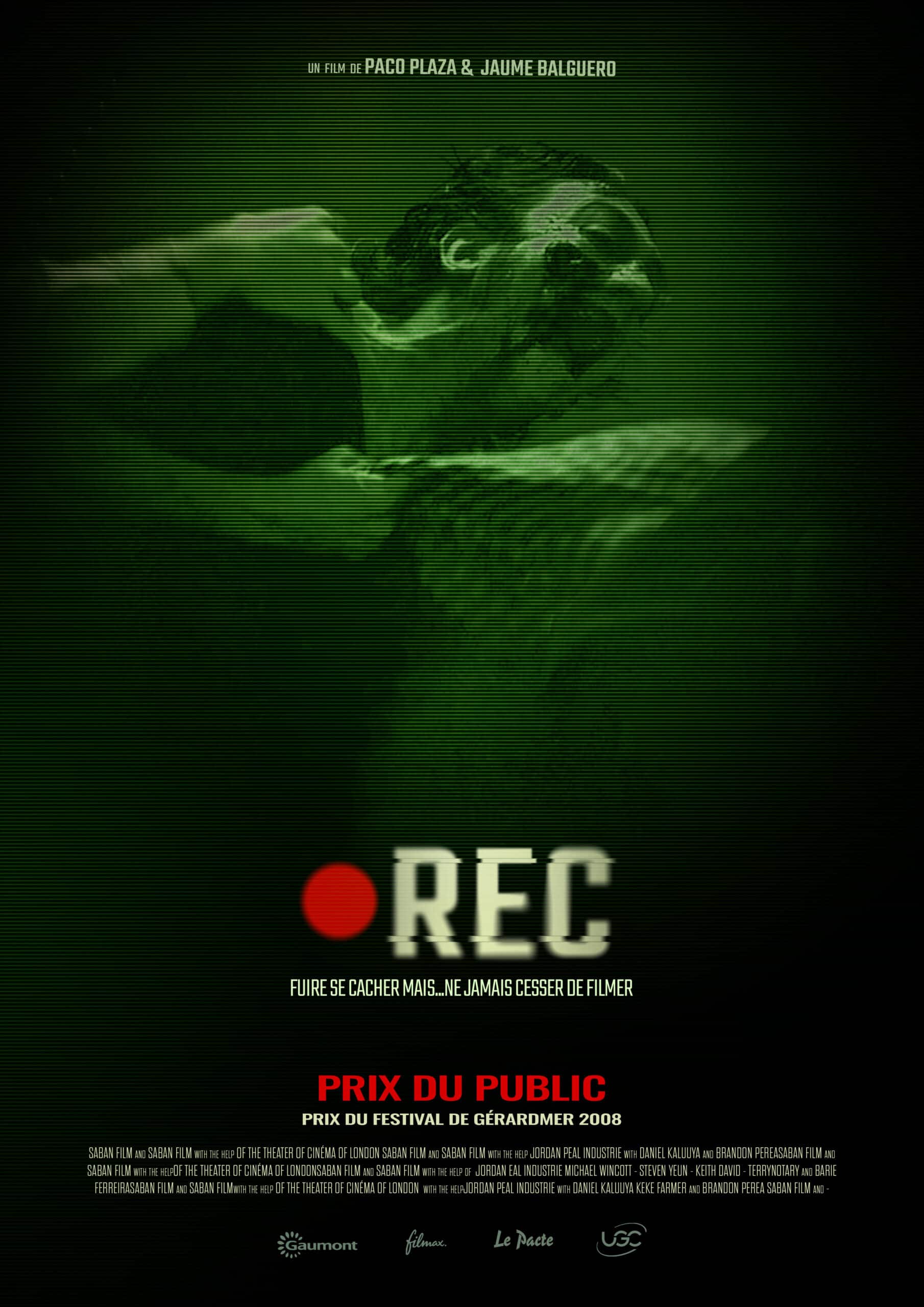
Alright, buckle up horror fans, because we're diving deep into a film that redefined claustrophobia and upped the ante for found footage flicks. Forget your jump scares and predictable plotlines; REC throws you headfirst into a nightmare scenario with a raw, visceral intensity that'll leave you breathless. This REC Movie Review: Found Footage Horror in a Confined, Infected Space will explore what makes this Spanish masterpiece so terrifying, and why it still resonates with horror enthusiasts today. REC isn't just scary; it's a masterclass in building tension and delivering genuine shocks.
We'll be dissecting the film's ingenious use of the found footage format, how it amplifies the feeling of being trapped and helpless alongside the characters. The confined space of the apartment building becomes a character in itself, a labyrinthine prison from which escape seems impossible. The film's success lies in its ability to create a sense of unrelenting dread, where the unseen is often more terrifying than what's explicitly shown. We'll also touch upon the brilliant performance of Manuela Velasco, whose portrayal of Ángela Vidal, a reporter caught in the chaos, is both authentic and compelling.
The aim of this REC Movie Review: Found Footage Horror in a Confined, Infected Space is to provide a comprehensive analysis of the film, exploring its key elements and why it continues to be celebrated as a landmark in the found footage genre. We want to delve into the film's impact, its influence on subsequent horror movies, and why it remains such a powerful and disturbing viewing experience. More than just a review, this is an exploration of what makes REC so effective at tapping into our primal fears.
In the realm of horror cinema, REC stands as a testament to the power of atmosphere, suspense, and unflinching realism. This REC Movie Review: Found Footage Horror in a Confined, Infected Space is designed to highlight the film's brilliance, examining its impact on the genre and solidifying its place as a modern horror classic. The film’s confined setting, combined with the frantic camerawork and the growing sense of panic, create a uniquely terrifying experience that continues to captivate and terrify audiences.
Diving into the Depths of REC
The Found Footage Frenzy: Why It Works in REC
Found footage can be a tricky genre. When done poorly, it feels contrived and cheap. But REC nails it. The film's commitment to the format is unwavering, and it feels like you're genuinely watching recovered footage from a news crew trapped in a quarantined building. There's no convenient editing, no perfectly framed shots – just raw, shaky cam footage that throws you right into the heart of the chaos.
Think about it: the shaky camera amplifies the sense of disorientation and panic. You're not just watching the horror unfold; you're experiencing it alongside Ángela and her cameraman, Pablo. The limited perspective creates a sense of claustrophobia, mirroring the characters' inability to see what's lurking around the corner. Every creak, every shadow, becomes a potential threat, and the film masterfully exploits this uncertainty.
The realism extends to the dialogue and performances. The characters react in ways that feel authentic, driven by fear and desperation. There are no heroic speeches or perfectly timed one-liners – just raw, human reactions to an increasingly terrifying situation. This commitment to realism is what elevates REC above other found footage films.
Confinement as a Character: The Apartment Building
The setting of REC is just as important as the infected residents. The claustrophobic apartment building becomes a character in itself, a labyrinthine prison with narrow hallways, dark stairwells, and locked doors. It's a space that feels both familiar and alien, a place where the mundane quickly transforms into the monstrous.
The building's architecture is strategically used to build tension. The long, narrow corridors amplify the sense of confinement, while the verticality of the stairwells creates a feeling of isolation. Each floor becomes a potential gauntlet, filled with unknown dangers. The film cleverly uses the building's layout to disorient the viewer, mirroring the characters' confusion and fear.
What's particularly effective is how the building transforms throughout the film. Initially, it's just an ordinary apartment block. But as the infection spreads, it becomes a terrifying hunting ground, a place where every shadow hides a potential threat. The building itself becomes a symbol of the characters' entrapment, a physical manifestation of their worst nightmares.
Ángela Vidal: A Reporter's Descent into Hell
Manuela Velasco's performance as Ángela Vidal is nothing short of phenomenal. She starts as a confident and ambitious reporter, eager to capture the drama of a typical night shift with the fire department. But as the situation spirals out of control, she transforms into a terrified survivor, desperately trying to make sense of the chaos around her.
What makes Velasco's performance so compelling is her vulnerability. She's not a superhero; she's just an ordinary person caught in an extraordinary situation. Her reactions feel authentic, driven by fear, confusion, and a growing sense of despair. You genuinely believe that she's terrified, and her fear becomes contagious.
Ángela's journey throughout the film is a descent into hell. She witnesses unspeakable horrors, confronts unimaginable threats, and ultimately faces a terrifying final showdown. Velasco's performance captures every stage of this transformation, making Ángela a relatable and compelling protagonist, even in the midst of the madness.
The Unseen Terror: What Makes REC So Scary
REC isn't just about jump scares and gore (though it has its fair share of those). It's about building tension, creating atmosphere, and tapping into our primal fears. The film masterfully uses the unseen to amplify the horror, leaving much to the imagination.
Think about it: the scariest moments in REC are often those where you only catch glimpses of the infected. A shadow darting across the hallway, a distorted figure in the darkness, a guttural growl from behind a closed door. These fleeting glimpses are far more terrifying than seeing the infected in full view.
The film also plays on our fear of the unknown. We don't know what's causing the infection, how it spreads, or what the ultimate consequences will be. This lack of information creates a sense of unease and uncertainty, making every encounter with the infected even more terrifying. REC understands that what you don't see can be far more frightening than what you do see.
Deconstructing the Horror: Key Elements of REC 's Success
Pacing and Tension: A Relentless Build-Up
REC is a masterclass in pacing. The film starts relatively slow, introducing the characters and establishing the setting. But as the infection spreads, the pace quickens, and the tension ratchets up with each passing minute. There's no downtime, no moments of respite – just a relentless build-up to the terrifying climax.
The film's structure is crucial to its success. It starts with a seemingly ordinary night shift, gradually introducing the sense of unease and then unleashing the full horror. This slow burn allows the tension to build organically, making the later scenes even more impactful.
The use of jump scares is also carefully considered. They're not just thrown in for shock value; they're used strategically to punctuate the tension and keep the audience on edge. Every jump scare feels earned, a consequence of the mounting dread that permeates the entire film.
Sound Design: Amplifying the Fear
The sound design in REC is absolutely crucial to its effectiveness. The film relies heavily on ambient sounds, creating a sense of realism and immersing the viewer in the environment. Every creak, every groan, every whispered word contributes to the overall atmosphere of dread.
The use of silence is also particularly effective. The film often cuts to near-silence, amplifying the tension and making the viewer anticipate the next scare. These moments of quiet are just as terrifying as the loud, shocking ones.
The infected's vocalizations are also incredibly unsettling. Their guttural growls, distorted screams, and animalistic snarls create a sense of primal fear. The sound design in REC is a vital component of its horror, contributing significantly to the film's overall impact.
Social Commentary: More Than Just a Zombie Flick
While REC is primarily a horror film, it also offers a subtle commentary on social issues. The film touches upon themes of class, inequality, and the media's sensationalist tendencies.
The apartment building is a microcosm of society, housing a diverse group of residents from different backgrounds and social classes. The film highlights the tensions and prejudices that exist within this community, suggesting that the infection exacerbates existing social problems.
The presence of the news crew also raises questions about the media's role in shaping public perception. Ángela and Pablo are initially motivated by the desire to capture a sensational story, but they quickly realize the human cost of their pursuit. REC subtly critiques the media's tendency to prioritize spectacle over empathy.
Answering Your Burning Questions About REC
FAQ: Common Queries and Concerns
Is REC Really That Scary?
Honestly? Yes. But it's scary in a way that's different from many modern horror films. It relies less on jump scares and gore, and more on building tension and creating atmosphere. If you're looking for a genuinely unsettling and claustrophobic experience, REC delivers. It is a top tier REC Movie Review: Found Footage Horror in a Confined, Infected Space contender.
Is There a REC Sequel?
Yes, there are actually three sequels: REC 2 , REC 3: Genesis , and REC 4: Apocalypse . They vary in quality, but REC 2 is generally considered a worthy follow-up. REC 3 and REC 4 take a different approach, moving away from the found footage format and exploring different aspects of the infection.
Is There an American Remake of REC ?
Yes, there is. It's called Quarantine , and it was released in 2008. While it's a relatively faithful remake, it lacks the raw intensity and authenticity of the original. Most horror fans agree that REC is the superior film.
What's the Deal with the Ending?
The ending of REC is notoriously terrifying. Without giving too much away, it involves a horrifying encounter with the source of the infection in the building's penthouse. It's a claustrophobic, visually disturbing, and emotionally draining sequence that will stay with you long after the credits roll. The ending cements the REC Movie Review: Found Footage Horror in a Confined, Infected Space as a must-see.
Is REC Worth Watching if I Don't Like Found Footage?
Even if you're not a fan of the found footage genre, REC is worth checking out. It transcends the limitations of the format, delivering a truly terrifying and unforgettable horror experience. The film's masterful use of tension, atmosphere, and realism makes it a standout in the genre.
FAQ: Diving Deeper into the Film's Themes
What Does the Infection Represent?
The infection in REC can be interpreted in various ways. Some view it as a metaphor for social decay, highlighting the breakdown of order and the spread of chaos. Others see it as a commentary on the dehumanizing effects of fear and violence. Ultimately, the meaning of the infection is open to interpretation.
How Does REC Compare to Other Zombie Films?
While REC shares some similarities with zombie films, it also deviates from the genre in significant ways. The infected in REC are not necessarily undead; they're living beings infected with a virus that causes them to behave in a violent and erratic manner. The film also focuses more on the claustrophobic setting and the characters' psychological distress than on large-scale zombie battles.
What Makes REC Different from Other Found Footage Films?
REC stands out from other found footage films due to its commitment to realism, its masterful use of tension, and its compelling characters. The film doesn't rely on cheap tricks or gimmicks; it creates a genuinely terrifying experience through its atmosphere, pacing, and sound design. The meticulous approach to a REC Movie Review: Found Footage Horror in a Confined, Infected Space helps showcase its uniqueness.
How Has REC Influenced the Horror Genre?
REC has had a significant impact on the horror genre, inspiring countless found footage films and influencing the way horror movies are made. Its success has demonstrated the power of atmosphere, tension, and realism in creating truly terrifying experiences. The film has also helped to popularize the found footage format, paving the way for other innovative and disturbing horror movies.
FAQ: Behind the Scenes and Production Details
Where Was REC Filmed?
REC was filmed in Barcelona, Spain, primarily in an actual apartment building. This added to the film's sense of realism and claustrophobia.
What Was the Budget of REC ?
REC was made on a relatively low budget, which is remarkable considering its impact and success. This demonstrates that you don't need a massive budget to create a truly terrifying and effective horror film.
How Did the Actors Prepare for Their Roles?
The actors in REC underwent extensive rehearsals to prepare for their roles, focusing on improvisation and naturalistic performances. They also spent time researching the roles of reporters, firefighters, and police officers to ensure authenticity.
What Were the Challenges of Filming in the Found Footage Format?
Filming in the found footage format presented numerous challenges, including technical limitations, logistical difficulties, and the need for actors to maintain a sense of realism throughout the film. The filmmakers overcame these challenges through careful planning, innovative techniques, and a commitment to the integrity of the format.
Final Thoughts: Why REC Remains a Horror Masterpiece
REC isn't just a horror film; it's a visceral and unforgettable experience. Its masterful use of found footage, its claustrophobic setting, and its compelling characters combine to create a truly terrifying and unsettling movie. This REC Movie Review: Found Footage Horror in a Confined, Infected Space hopes it’s clear that the film’s influence on the genre is undeniable.
If you're a horror fan looking for a film that will genuinely scare you, REC is a must-watch. Just be prepared to sleep with the lights on. REC is more than just a jump-scare fest; it's a masterclass in building tension and creating a sense of unrelenting dread. It's a film that stays with you long after the credits roll, reminding you of the power of fear and the fragility of human existence. The impact of REC solidifies its place as a modern horror classic, and something any horror enthusiast should experience.