
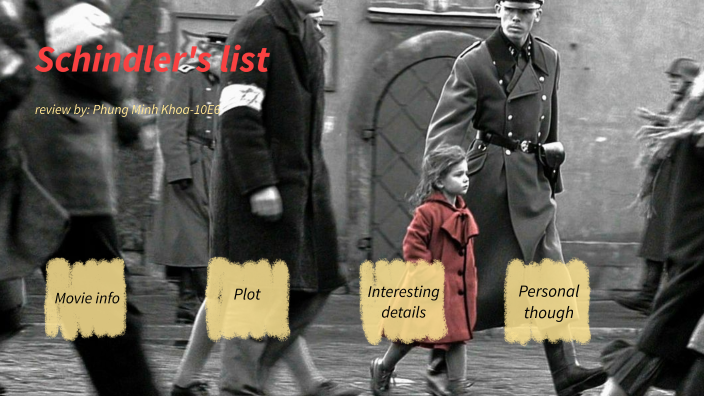
The grainy black and white images flicker to life, immediately transporting you to a world teetering on the brink of unimaginable darkness. It's a story we think we know, the Holocaust, yet Steven Spielberg’s Schindler's List pierces through the historical narrative with a visceral, unforgettable intimacy. This isn't just a movie; it's an experience, a haunting reminder of humanity’s capacity for both unspeakable cruelty and extraordinary compassion. But does it hold up after all these years? Is it truly a masterpiece or a work that is now starting to show its age? Dive in as we explore this important film. (Uncover why Schindler's List remains a cinematic masterpiece. Our Schindler's List movie review explores its impact, historical accuracy, and enduring power.) Schindler’s List isn't just a retelling of historical events; it's a character study, a moral exploration, and a testament to the power of individual action against overwhelming odds. The film masterfully interweaves the personal journey of Oskar Schindler, a morally ambiguous businessman, with the collective suffering of Polish Jews during World War II. Through stunning cinematography and powerful performances, Spielberg crafts a narrative that is both harrowing and ultimately hopeful. It forces us to confront uncomfortable truths about ourselves and the world around us. This account of the Holocaust is a difficult watch but an important one, as we must remember the horrors of the past to build a better future.
Who is this film for? Frankly, it's a film that everyone should experience at least once. It’s for those who seek to understand the depths of human resilience, for those who want to grapple with the complexities of moral choice, and for anyone who believes in the power of one person to make a difference. Schindler's List is a powerful film that demands our attention, our empathy, and our commitment to never forgetting the lessons of history. While it’s a challenging watch due to the graphic depictions of violence and suffering, the film offers a unique and important perspective on one of the darkest chapters in human history.
Ultimately, Schindler's List serves as a stark reminder of the atrocities committed during the Holocaust, while simultaneously illuminating the potential for courage and compassion even in the face of unimaginable evil. Spielberg's film isn't just a historical drama; it's a powerful account of humanity amidst horror, urging us to confront our own capacity for both darkness and light. This Schindler's List movie review: a powerful account of humanity amidst horror reveals a journey that lingers long after the credits roll, prompting reflection on the importance of remembrance and the enduring power of the human spirit.
The Weight of History: Crafting Authenticity
Schindler's List doesn't just present a story; it immerses you in a world meticulously crafted to reflect the grim reality of Nazi-occupied Poland. The decision to film primarily in black and white was a bold one, instantly lending the film a documentary-like feel, enhancing its sense of authenticity. But it wasn't just the visual aesthetic; the attention to detail in recreating the Krakow ghetto, the Plaszow labor camp, and the Auschwitz-Birkenau extermination camp was painstaking.
Historical Accuracy vs. Dramatic License
Of course, like any historical drama, Schindler's List takes certain liberties with the historical record to enhance the narrative. However, Spielberg and his team went to great lengths to ensure the film remained faithful to the spirit of the events it depicted. The film was based on the novel "Schindler's Ark" by Thomas Keneally, which itself was based on extensive research and interviews with Schindlerjuden – the Jews saved by Oskar Schindler.
Consultation with Survivors
One of the most crucial aspects of ensuring authenticity was the involvement of Holocaust survivors in the film's production. Many survivors served as consultants, sharing their personal experiences and memories to help the filmmakers accurately portray the details of life in the ghettos and camps. Their input was invaluable in ensuring that the film captured the emotional truth of the Holocaust, even if some specific details were altered for dramatic effect. This allowed the film to balance the narrative with genuine emotional impact.
The Impact of Black and White Cinematography
The choice of black and white cinematography in Schindler's List is more than just an aesthetic choice; it's a powerful tool for conveying the bleakness and despair of the Holocaust. The absence of color creates a sense of distance, forcing the viewer to confront the horrors on screen without the distractions of vibrant hues. It evokes the feeling of looking at historical photographs, reminding us that these events actually happened.
Oskar Schindler: From Opportunist to Savior
At the heart of Schindler's List lies the transformation of Oskar Schindler, a complex and morally ambiguous character initially motivated by personal gain. Played with remarkable nuance by Liam Neeson, Schindler is not portrayed as a saint from the outset. He's a businessman, a member of the Nazi party, and an opportunist looking to profit from the war.
The Catalyst for Change
So, what causes Schindler's transformation? It's a gradual process, fueled by his growing awareness of the atrocities being committed against the Jews. Initially, he views his Jewish workers as a cheap labor force, but as he witnesses their suffering, he begins to see them as individuals, as human beings deserving of dignity and respect. The sight of the liquidation of the Krakow ghetto is particularly impactful, serving as a turning point in his moral awakening.
The Influence of Itzhak Stern
Another key factor in Schindler's transformation is his relationship with Itzhak Stern, his Jewish accountant. Stern, played brilliantly by Ben Kingsley, becomes Schindler's moral compass, guiding him towards a path of compassion and ultimately, redemption. Stern is instrumental in helping Schindler identify and employ Jewish workers, effectively saving them from deportation and death.
The Cost of Redemption
Schindler's decision to save Jewish lives comes at a great personal cost. He uses his wealth and influence to bribe Nazi officials, risking his own life in the process. He gradually spends his entire fortune to maintain his factory as a "necessary" war industry, ensuring that his workers are not sent to the extermination camps. By the end of the war, Schindler is a broken man, financially ruined but morally redeemed.
The Depiction of Evil: Amon Göth
While Schindler represents the potential for good within humanity, Amon Göth, the commandant of the Plaszow labor camp, embodies the depths of human depravity. Played with chilling effectiveness by Ralph Fiennes, Göth is a sadist who delights in inflicting pain and suffering on his Jewish prisoners.
The Banality of Evil
What makes Göth so terrifying is his ordinariness. He's not a monster in the traditional sense; he's a man who has embraced the Nazi ideology and allowed it to corrupt his soul. He commits acts of unspeakable cruelty with a casual indifference, highlighting the banality of evil – the idea that evil can be committed by ordinary people without any grand ideological motivations.
The Psychological Impact of Power
Göth's character also explores the psychological impact of power. As commandant of Plaszow, he has absolute authority over the lives of his prisoners. This power corrupts him, allowing him to indulge his darkest impulses without fear of consequence. He is a stark reminder of the dangers of unchecked authority.
Göth's Relationship with Helen Hirsch
One of the most disturbing aspects of Göth's character is his complex relationship with Helen Hirsch, his Jewish maid. He is both attracted to and repulsed by her, oscillating between moments of tenderness and acts of cruelty. This dynamic highlights the twisted psychology of the oppressor, who seeks to dehumanize his victims while simultaneously acknowledging their humanity.
The Power of Hope Amidst Despair
Despite its harrowing subject matter, Schindler's List is ultimately a film about hope. It's a testament to the resilience of the human spirit and the power of individual action to make a difference, even in the face of overwhelming evil.
Acts of Kindness and Resistance
Throughout the film, we see countless acts of kindness and resistance, both large and small. From the Jewish workers who risk their lives to help each other to the individuals who secretly provide food and comfort to those in need, these acts of defiance demonstrate the enduring power of the human spirit.
The Significance of the Candle Lighting Scene
One of the most poignant scenes in the film is the lighting of the Sabbath candles in the Plaszow labor camp. This simple act of religious observance becomes a powerful symbol of hope and resistance, a reminder that even in the darkest of times, the Jewish people refused to surrender their identity and their faith.
The Legacy of Remembrance
Schindler's List is not just a film; it's a memorial, a reminder of the millions of lives lost during the Holocaust. By bearing witness to these events, we honor the memory of the victims and ensure that their stories are never forgotten. The film serves as a call to action, urging us to confront prejudice and intolerance in all its forms and to work towards a world where such atrocities never happen again.
FAQ about Schindler's List Movie Review: A Powerful Account of Humanity Amidst Horror
What is the historical accuracy of Schindler's List ?
While Schindler's List is a dramatization of real events, it is based on extensive research and firsthand accounts from Schindlerjuden. Spielberg and his team consulted with Holocaust survivors to ensure the film accurately portrays the details of life in the ghettos and camps. However, like any historical drama, the film takes certain liberties with the historical record to enhance the narrative. As with any piece of historical storytelling, it’s crucial to remember it is not a documentary, but a representation rooted in historical truth.
Why was Schindler's List filmed in black and white?
Spielberg chose to film Schindler's List primarily in black and white to create a sense of authenticity and to evoke the feeling of looking at historical photographs from the Holocaust. The absence of color creates a stark and unflinching portrayal of the events, forcing the viewer to confront the horrors on screen without distractions. The black and white cinematography serves to deepen the emotional impact of the film.
What is the significance of Oskar Schindler's transformation?
Oskar Schindler's transformation from an opportunistic businessman to a savior of Jewish lives is at the heart of the film. His gradual awakening to the atrocities being committed against the Jews, coupled with his relationship with Itzhak Stern, leads him to risk his own life and fortune to save over a thousand people from the Holocaust. Schindler's journey highlights the potential for good within humanity, even in the face of unimaginable evil. It shows that even flawed individuals can make a profound difference.
What is the message of Schindler's List ?
Schindler's List conveys a powerful message about the importance of remembering the Holocaust and the need to confront prejudice and intolerance in all its forms. The film highlights the resilience of the human spirit and the power of individual action to make a difference, even in the darkest of times. It serves as a call to action, urging us to learn from the past and to work towards a world where such atrocities never happen again. Ultimately, it's a story about hope and the enduring strength of humanity.
Is Schindler's List suitable for children?
Due to its graphic depictions of violence and suffering, Schindler's List is not suitable for young children. The film is rated R and is recommended for mature audiences who can understand the historical context and emotional weight of the subject matter. Parents should carefully consider the maturity level of their children before allowing them to watch the film. It’s important to have open conversations about the Holocaust with older children and teenagers, but Schindler's List may be too intense for some viewers.
Conclusion
Schindler's List remains a powerful and important film, a stark reminder of the horrors of the Holocaust and the potential for both good and evil within humanity. Spielberg's masterful direction, coupled with the unforgettable performances of the cast, creates a cinematic experience that is both harrowing and ultimately hopeful. The film's enduring legacy lies in its ability to bear witness to history and to inspire us to confront the challenges of the present. This Schindler's List movie review: a powerful account of humanity amidst horror highlights how the film continues to resonate with audiences, prompting reflection on the importance of remembrance and the enduring power of the human spirit. It is a crucial film for anyone seeking to understand the depths of human resilience and the importance of fighting against intolerance and injustice.