
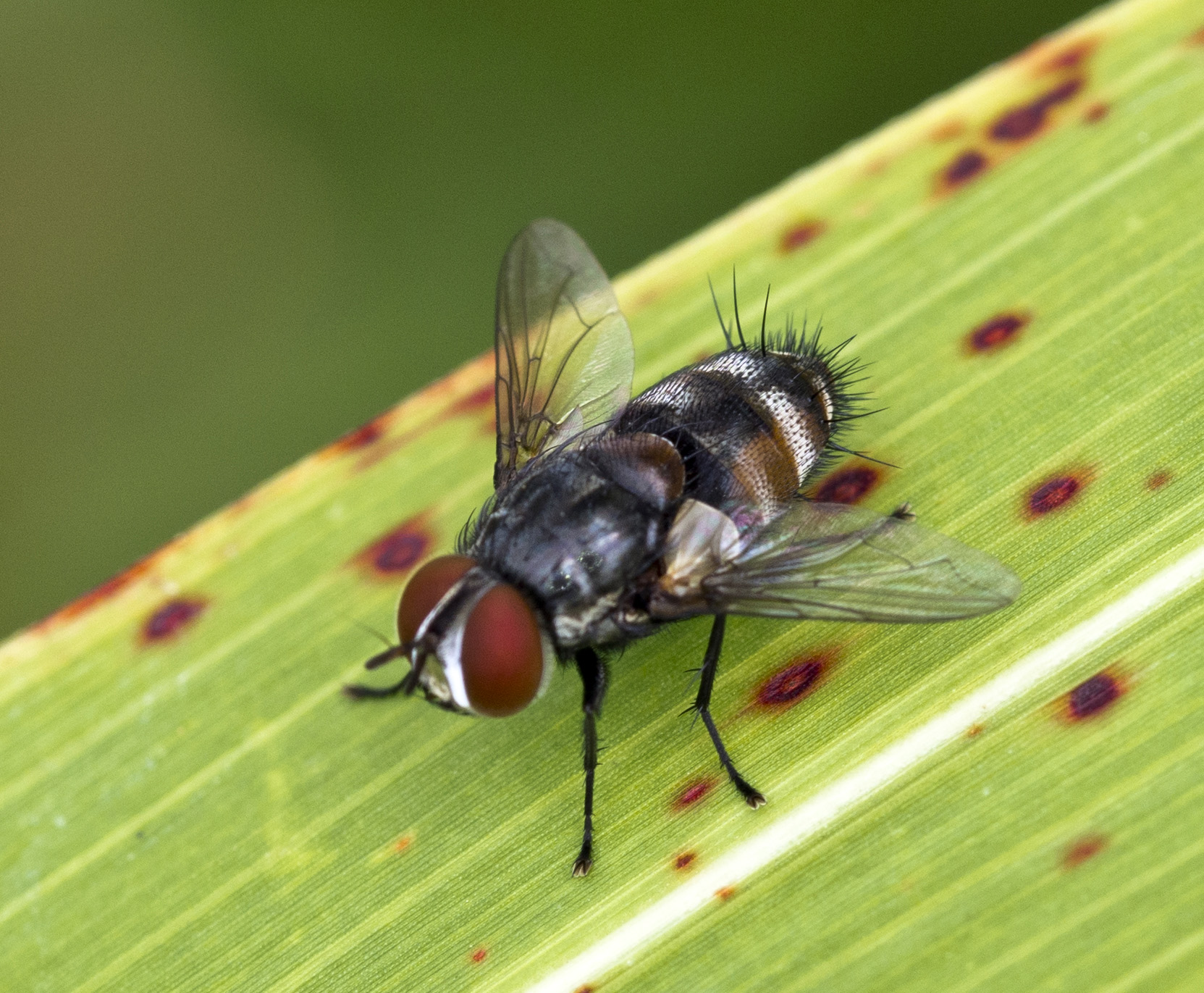
David Cronenberg's The Fly isn't just a horror movie; it's a body horror masterpiece that burrows under your skin and stays there. The film explores themes of transformation, decay, and the terrifying loss of control, all wrapped in a chillingly romantic and tragic narrative. Forget your typical monster movie jump scares; this is a slow-burn nightmare fuelled by practical effects that still hold up today, making it a truly unforgettable cinematic experience. Dive into David Cronenberg's 'The Fly' movie review: A Cronenbergian nightmare of transformation, exploring its horrifying themes, practical effects, and tragic love story. Is it the ultimate body horror film?
It's hard to talk about The Fly without acknowledging its impact on the horror genre. Released in 1986, it redefined body horror, moving beyond simple gore to explore the psychological and emotional toll of physical metamorphosis. The film's success wasn't just about the shocking visuals; it was also about the tragic love story at its core, which elevated it above standard horror fare. Cronenberg masterfully blends science fiction, horror, and romance, creating a film that is both terrifying and deeply moving. The film's legacy continues to influence filmmakers and horror fans alike, solidifying its place as a true classic.
So, who is this movie for? Well, if you're a fan of horror films that go beyond cheap thrills and delve into deeper, more disturbing themes, The Fly is definitely for you. If you appreciate practical effects and the artistry of makeup and creature design, you'll be blown away by the film's incredible visuals. And if you're a sucker for tragic love stories with a dark twist, The Fly will leave a lasting impression. However, if you're squeamish or easily disturbed by graphic imagery, you might want to proceed with caution.
Ultimately, The Fly transcends its genre to become a profound meditation on mortality, identity, and the human condition. The film's exploration of transformation, both physical and psychological, resonates long after the credits roll. It's a testament to Cronenberg's genius that he can create something so viscerally horrifying and yet so deeply human. This The Fly movie review: A Cronenbergian nightmare of transformation, hopes to shed light on why it's a must-see for horror fans and cinephiles alike, offering a chilling and thought-provoking experience that stays with you long after the screen fades to black.
The Horrifying Details of the Transformation
The Science (and the Fiction) Behind the Teleportation
The premise of The Fly revolves around Seth Brundle (Jeff Goldblum), a brilliant but eccentric scientist who invents a teleportation device. While the science behind teleportation is still largely theoretical, the film does a surprisingly good job of grounding the concept in a believable, albeit fictional, reality. Brundle's enthusiasm and dedication to his work make his invention feel plausible, even as things start to go horribly wrong.
Brundle's Hubris: The Fatal Mistake
Brundle's biggest mistake wasn't the teleportation itself, but his decision to use himself as the first human test subject. Driven by a mixture of ambition and ego, he bypasses proper testing protocols and steps into the telepod, unaware that a housefly has also entered the chamber. This seemingly insignificant event sets in motion a chain of events that leads to his horrifying transformation. The fly's DNA becomes fused with Brundle's at a molecular level.
The Gradual Decay: A Body Horror Masterpiece
The transformation from man to fly is a slow, agonizing process, meticulously depicted through groundbreaking special effects. As Brundle's body begins to change, he initially experiences increased strength, agility, and libido. However, these positive effects are short-lived, giving way to grotesque physical deformities and a gradual loss of humanity.
The Physical Manifestations of the Change
The physical changes are both disturbing and fascinating to watch. Brundle develops grotesque sores, loses his fingernails and teeth, and eventually begins to resemble a giant insect. The special effects, created by Chris Walas, were revolutionary for their time and still hold up remarkably well today. They perfectly capture the horror and tragedy of Brundle's transformation.
The Psychological Impact
The physical transformation is mirrored by a psychological one. As Brundle's body decays, so does his mind. He becomes increasingly erratic, paranoid, and violent. His initial excitement and scientific curiosity are replaced by fear, desperation, and a growing sense of helplessness. The film explores the psychological toll of losing one's identity and humanity in a truly disturbing way.
The Tragic Love Story
Veronica Quaife: Witness to the Horror
Geena Davis plays Veronica Quaife, a science journalist who becomes romantically involved with Brundle. She is initially fascinated by his work and his eccentric personality, but as he begins to transform, she becomes increasingly horrified and desperate to help him.
A Love Tested by Transformation
Veronica's love for Brundle is tested to its limits as she witnesses his gradual decay. She struggles to reconcile the man she loves with the monstrous creature he is becoming. Her compassion and loyalty are unwavering, even as the situation becomes increasingly dangerous.
The Unthinkable Choice
Ultimately, Veronica is faced with an impossible choice: to allow Brundle to continue his agonizing transformation or to end his suffering. The film builds to a heart-wrenching climax as Veronica confronts Brundle-Fly and is forced to make a decision that will haunt her forever.
A Commentary on Love and Sacrifice
The Fly uses the tragic love story between Veronica and Brundle to explore themes of love, sacrifice, and the limits of human compassion. It asks difficult questions about what it means to love someone, even when they are no longer the person you once knew.
Cronenberg's Vision: Body Horror as Metaphor
Exploring Themes of Mortality and Decay
Cronenberg uses the body horror elements of The Fly to explore deeper themes of mortality, decay, and the fragility of the human body. Brundle's transformation serves as a metaphor for the inevitable decline and decay that we all experience as we age.
The Fear of Losing Control
The film also taps into our deepest fears about losing control of our bodies and minds. Brundle's inability to stop his transformation reflects our own anxieties about aging, illness, and the loss of autonomy.
The Power of Practical Effects
Cronenberg's commitment to practical effects is a key element of the film's success. The grotesque makeup and creature design are incredibly realistic and visceral, creating a truly disturbing and unforgettable viewing experience.
A Contrast to CGI
In an era of CGI-heavy horror films, The Fly 's practical effects stand out as a testament to the artistry and craftsmanship of the special effects team. The film demonstrates that sometimes, the most effective horror is the kind you can almost reach out and touch.
FAQ: Delving Deeper into The Fly
General Questions
Is The Fly really that scary?
Yes, The Fly is considered a very scary film by many viewers, primarily due to its graphic depictions of body horror and the psychological distress of its characters. While it doesn't rely on jump scares, its disturbing imagery and themes create a pervasive sense of unease. If you're sensitive to graphic content, proceed with caution. The Fly movie review: A Cronenbergian nightmare of transformation, often highlights the lasting impact of its horror elements.
Is The Fly a remake?
Yes, The Fly (1986) is a remake of a 1958 film of the same name. However, Cronenberg's version is significantly darker and more graphic, exploring themes of body horror in a way that the original did not.
What is the meaning behind The Fly ?
The meaning behind The Fly is open to interpretation, but common interpretations include themes of mortality, decay, the fear of losing control, and the dangers of unchecked scientific ambition. The film can also be seen as an allegory for the AIDS crisis, which was prevalent at the time of its release.
Production and Technical Aspects
How long did it take to do the makeup for The Fly ?
The makeup for Jeff Goldblum's transformation in The Fly was incredibly complex and time-consuming. In the later stages of the transformation, it could take up to five hours each day to apply the makeup.
How much did the makeup cost for The Fly ?
The makeup effects for The Fly were a significant part of the film's budget. The overall cost of the special effects was estimated to be around $3 million, which was a substantial amount for a horror film at the time.
Character Specific Questions
What happened to Ronnie's baby in The Fly II ?
In The Fly II , Ronnie's (Veronica's) baby, Martin Brundle, is born with an accelerated aging process due to his father's genetic contamination. He eventually develops the ability to revert to his human form, but his story is ultimately tragic as he continues to grapple with his inherited condition.
Why does Brundle eat so much sugar in The Fly ?
Brundle's increased sugar consumption is a symptom of his transformation. The fly DNA within him craves sugar, leading to his unusual dietary habits.
Comparing Adaptations
Which version of The Fly is better?
Whether the 1986 version of The Fly is better than the 1958 version is subjective. However, Cronenberg's remake is generally considered to be the superior film due to its more sophisticated themes, groundbreaking special effects, and strong performances.
Conclusion: A Horror Classic That Still Resonates
The Fly is more than just a horror movie; it's a cinematic masterpiece that explores the darker aspects of human nature and the fragility of the human body. Cronenberg's masterful direction, combined with Jeff Goldblum's unforgettable performance and the film's groundbreaking special effects, makes The Fly a truly unforgettable viewing experience. If you're a fan of horror films that are both terrifying and thought-provoking, The Fly is a must-see. Even decades after its release, the questions and anxieties it raises remain relevant, solidifying its status as a timeless classic. Ultimately, this The Fly movie review: A Cronenbergian nightmare of transformation, highlights why it remains a cornerstone of the body horror genre and a testament to Cronenberg's unique vision.