
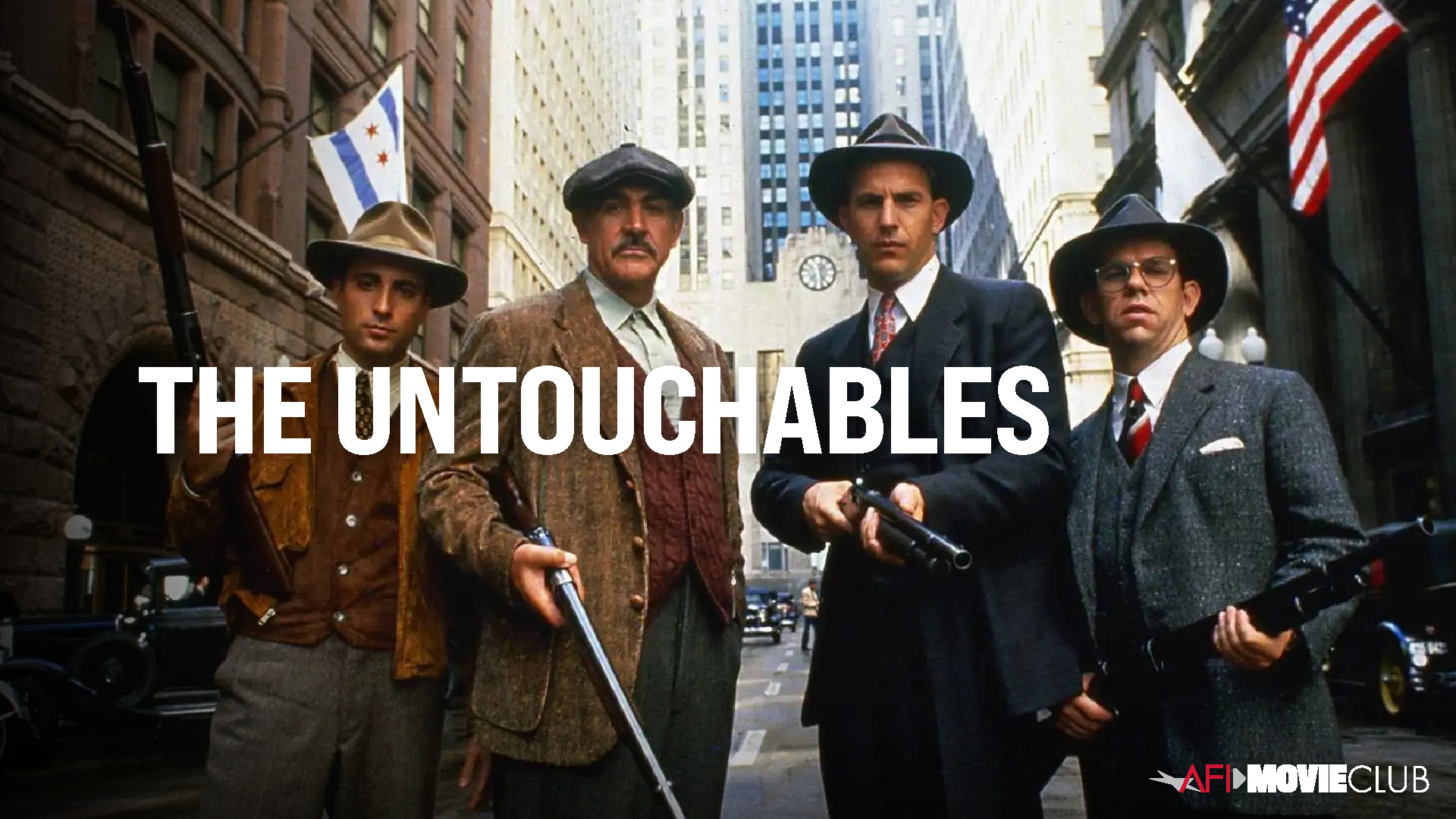
In the smoky backrooms and bullet-ridden streets of 1930s Chicago, a battle raged, not just between criminals and law enforcement, but between corruption and integrity. The Untouchables , a cinematic masterpiece, immortalizes this struggle, pitting a determined Eliot Ness against the notorious Al Capone. This The Untouchables Movie Review: The Fight Against Al Capone explores how this Brian De Palma classic captures the essence of that era. It delves into the film’s iconic scenes, stellar performances, and its enduring impact on the gangster genre, examining whether it accurately portrays history or romanticizes the clash between good and evil.
This exploration of The Untouchables movie review delves deeper than just plot and character analysis. We’ll examine the film’s visual language, the way De Palma uses camera angles, lighting, and music to create a palpable sense of tension and drama. It's important to consider how the movie stacks up against real historical accounts and other films about Al Capone. We'll also touch upon the brilliant performances that brought these legendary figures to life, and the film's place in cinematic history.
The target audience is anyone interested in classic films, gangster movies, American history, or the work of Brian De Palma. Whether you're a seasoned film buff or a casual viewer looking for a captivating story, this review offers insights into the artistry and impact of The Untouchables . If you’re wondering if this film lives up to its legendary status, this analysis offers you everything you need to know.
Ultimately, The Untouchables transcends mere entertainment; it's a powerful narrative about morality, justice, and the cost of fighting for what's right. This The Untouchables Movie Review: The Fight Against Al Capone dissects the film's legacy, inviting you to rediscover its brilliance or experience it for the first time. It's a reminder that the fight against corruption is a timeless battle, and The Untouchables offers a thrilling and thought-provoking cinematic representation of that struggle.
The Allure of the Untouchables: Why This Movie Still Matters
The Untouchables continues to resonate with audiences for a multitude of reasons. It's not just a gangster film; it's a story about idealism clashing with harsh reality. The film’s stylized violence, memorable dialogue, and the sheer charisma of its cast have cemented its place in popular culture.
The Historical Context: Fact vs. Fiction
While The Untouchables is based on real events, it takes liberties with historical accuracy for dramatic effect. How much of the film is true to life, and where does it deviate? This is a crucial question when analyzing the film’s overall impact.
The Real Eliot Ness and Al Capone
The film portrays Eliot Ness as a relatively inexperienced agent who assembles a team to take down Al Capone. The real Ness had been working for the Bureau of Prohibition for several years before his involvement with the Capone case. The "Untouchables" team was also a smaller, more fluid group than depicted in the film.
Al Capone, as portrayed by Robert De Niro, is a menacing and larger-than-life figure. This is generally consistent with Capone's public image during that era. However, the film tends to amplify Capone's ruthlessness for dramatic purposes, simplifying the complexities of his character.
The St. Valentine's Day Massacre
The St. Valentine's Day Massacre is a pivotal event in the film, showcasing Capone's brutality. While the film accurately depicts the event's gruesome nature, it doesn't fully explore the complex web of rivalries and motivations that led to the massacre. The film's portrayal often suggests Capone himself orchestrated the event, while historical accounts suggest his involvement was more indirect.
The Cast and Their Iconic Performances
The success of The Untouchables hinges on its stellar cast. Each actor delivers a memorable performance, contributing to the film's overall impact.
Kevin Costner as Eliot Ness: The Idealist
Kevin Costner embodies Eliot Ness as a determined and incorruptible agent. His performance captures Ness's naiveté and unwavering commitment to justice. Costner's portrayal helps the audience understand Ness's motivations and the challenges he faces in a corrupt city.
Robert De Niro as Al Capone: The Antagonist
Robert De Niro delivers a chilling and charismatic portrayal of Al Capone. De Niro captures Capone's menace and his calculated ruthlessness. His performance is one of the film's highlights, solidifying Capone as one of cinema's most memorable villains.
Sean Connery as Jim Malone: The Mentor
Sean Connery's portrayal of Jim Malone, the seasoned and street-smart cop, earned him an Academy Award. Connery brings a sense of world-weariness and cynicism to the role, contrasting with Ness's idealism. Malone acts as Ness's mentor, guiding him through the corrupt landscape of Chicago.
Andy Garcia as George Stone: The Marksman
Andy Garcia plays George Stone, a rookie cop who joins Ness's team. Stone's marksmanship and loyalty make him a valuable asset to the Untouchables. Garcia's performance adds a layer of grit and determination to the team.
Brian De Palma's Directorial Style: Suspense and Spectacle
Brian De Palma's directorial style is a key element of The Untouchables . He masterfully uses suspense, visual storytelling, and music to create a gripping cinematic experience.
The Union Station Shootout
The Union Station shootout is one of the film's most iconic scenes. De Palma uses slow motion, close-ups, and dramatic music to heighten the tension. The scene is a masterclass in suspense, keeping the audience on the edge of their seats.
The Use of Music
Ennio Morricone's score is an integral part of the film's atmosphere. The music amplifies the tension and drama, enhancing the emotional impact of key scenes. The score is both haunting and exhilarating, perfectly complementing the film's visuals.
Visual Storytelling
De Palma is known for his visual storytelling techniques. He uses camera angles, lighting, and editing to convey information and create mood. The film is visually stunning, with each shot carefully crafted to enhance the narrative.
Analyzing the Themes: Corruption, Justice, and Morality
The Untouchables explores several complex themes, including corruption, justice, and morality. The film raises questions about the nature of good and evil and the lengths to which people will go to achieve their goals.
The Corrupting Influence of Power
The film portrays Chicago as a city riddled with corruption, where law enforcement officials are often on Capone's payroll. This corruption makes it difficult for Ness to uphold the law and fight against organized crime. The film suggests that power can corrupt even the most well-intentioned individuals.
The Price of Justice
Ness and his team face numerous challenges and dangers in their pursuit of justice. They risk their lives and their families' safety to bring Capone to justice. The film explores the sacrifices that are necessary to fight against corruption and uphold the law.
The Gray Areas of Morality
The film also delves into the gray areas of morality. Ness is forced to make difficult choices that test his own moral compass. He must decide whether to bend the rules in order to achieve his goals. The film suggests that the line between good and evil is not always clear-cut.
The Enduring Legacy: Impact on Cinema and Pop Culture
The Untouchables has had a significant impact on cinema and pop culture. The film has influenced countless other gangster movies and television shows. Its iconic scenes and characters have become deeply ingrained in the cultural consciousness.
Influence on the Gangster Genre
The Untouchables helped to revitalize the gangster genre in the 1980s. The film's stylized violence, memorable characters, and epic scope set a new standard for gangster movies. Many subsequent films have drawn inspiration from The Untouchables .
Memorable Quotes and Scenes
The film is filled with memorable quotes and scenes that have become iconic. Lines like "You wanna know how to get Capone? They pull a knife, you pull a gun. He sends one of yours to the hospital, you send one of his to the morgue. That's the Chicago way!" and the Union Station shootout are instantly recognizable.
Critical Reception and Awards
The Untouchables was a critical and commercial success. The film received numerous awards, including an Academy Award for Sean Connery's performance. It continues to be praised for its direction, acting, and screenplay.
FAQ: Your Burning Questions Answered
Let's tackle some frequently asked questions about The Untouchables Movie Review: The Fight Against Al Capone and its lasting impact.
About the Historical Accuracy
How historically accurate is The Untouchables ?
While inspired by real events, The Untouchables takes significant liberties with historical accuracy for dramatic effect. The characters and events are often exaggerated or fictionalized to create a more compelling narrative.
Did Eliot Ness really assemble a team of "Untouchables"?
Yes, Eliot Ness did assemble a team of agents who were known for their incorruptibility. However, the size and composition of the team, as well as their methods, were often different from what is depicted in the film.
What was Al Capone really like?
Al Capone was a complex figure who was both a ruthless criminal and a charismatic public figure. The film captures his menace and his ruthlessness but simplifies the complexities of his character.
About the Characters
Why was Sean Connery the best person to play Jim Malone?
Sean Connery brought a gravitas and world-weariness to the role of Jim Malone that was essential to the character. His performance resonated with audiences and earned him an Academy Award.
Was Kevin Costner the best choice to play Eliot Ness?
Kevin Costner's portrayal of Eliot Ness captured the character's idealism and determination. While some critics felt his performance was somewhat bland, it was effective in conveying Ness's unwavering commitment to justice.
Why did Robert De Niro take the role as Al Capone?
Robert De Niro is known for his dedication to his craft and his ability to embody complex characters. His portrayal of Al Capone is one of the film's highlights, cementing Capone as one of cinema's most memorable villains.
About the Film's Impact
What is the legacy of The Untouchables ?
The Untouchables has had a significant impact on cinema and pop culture. It helped to revitalize the gangster genre and has influenced countless other films and television shows.
Why is the Union Station shootout so iconic?
The Union Station shootout is a masterclass in suspense and visual storytelling. Brian De Palma's direction, combined with Ennio Morricone's score, creates a thrilling and unforgettable scene.
Why should I watch The Untouchables ?
The Untouchables is a classic film that offers a compelling story, stellar performances, and masterful direction. It's a must-see for fans of gangster movies, American history, and cinema in general.
About the Director
What other movies did Brian De Palma direct?
Brian De Palma is known for directing suspenseful thrillers, and some of his other notable films include Carrie , Scarface , Mission: Impossible , and Dressed to Kill .
How did Brian De Palma make The Untouchables so good?
De Palma's meticulous attention to detail, coupled with his flair for suspense and visual storytelling, elevated The Untouchables. His ability to create tension and drama through camera angles, lighting, and music contributed to the film's overall brilliance.
What is special about De Palma's style?
De Palma's directorial style is marked by its use of extended takes, split screens, and voyeuristic camera angles, creating a unique and suspenseful cinematic experience.
More About "The Untouchables Movie Review: The Fight Against Al Capone"
How did The Untouchables fare with viewers back in 1987?
Upon its release in 1987, The Untouchables was met with widespread critical acclaim and commercial success, with audiences and critics praising its stylish direction, strong performances, and compelling story.
Where can I watch The Untouchables today?
Today, The Untouchables can be streamed on various platforms like Paramount+, Amazon Prime Video, and Apple TV, as well as available for rent or purchase on digital platforms like Google Play Movies and Vudu.
Who composed the music for The Untouchables?
The hauntingly beautiful and suspenseful score for The Untouchables was composed by the legendary Ennio Morricone, enhancing the emotional impact of key scenes.
Conclusion: A Timeless Tale of Good vs. Evil
The Untouchables Movie Review: The Fight Against Al Capone is more than just a gangster film; it's a timeless tale of good versus evil. The film's compelling story, stellar performances, and masterful direction make it a cinematic masterpiece. While it takes liberties with historical accuracy, it captures the essence of the struggle against corruption and the price of justice. The Untouchables is a must-see film that continues to resonate with audiences today. Its legacy as one of the greatest gangster movies of all time is well-deserved.