
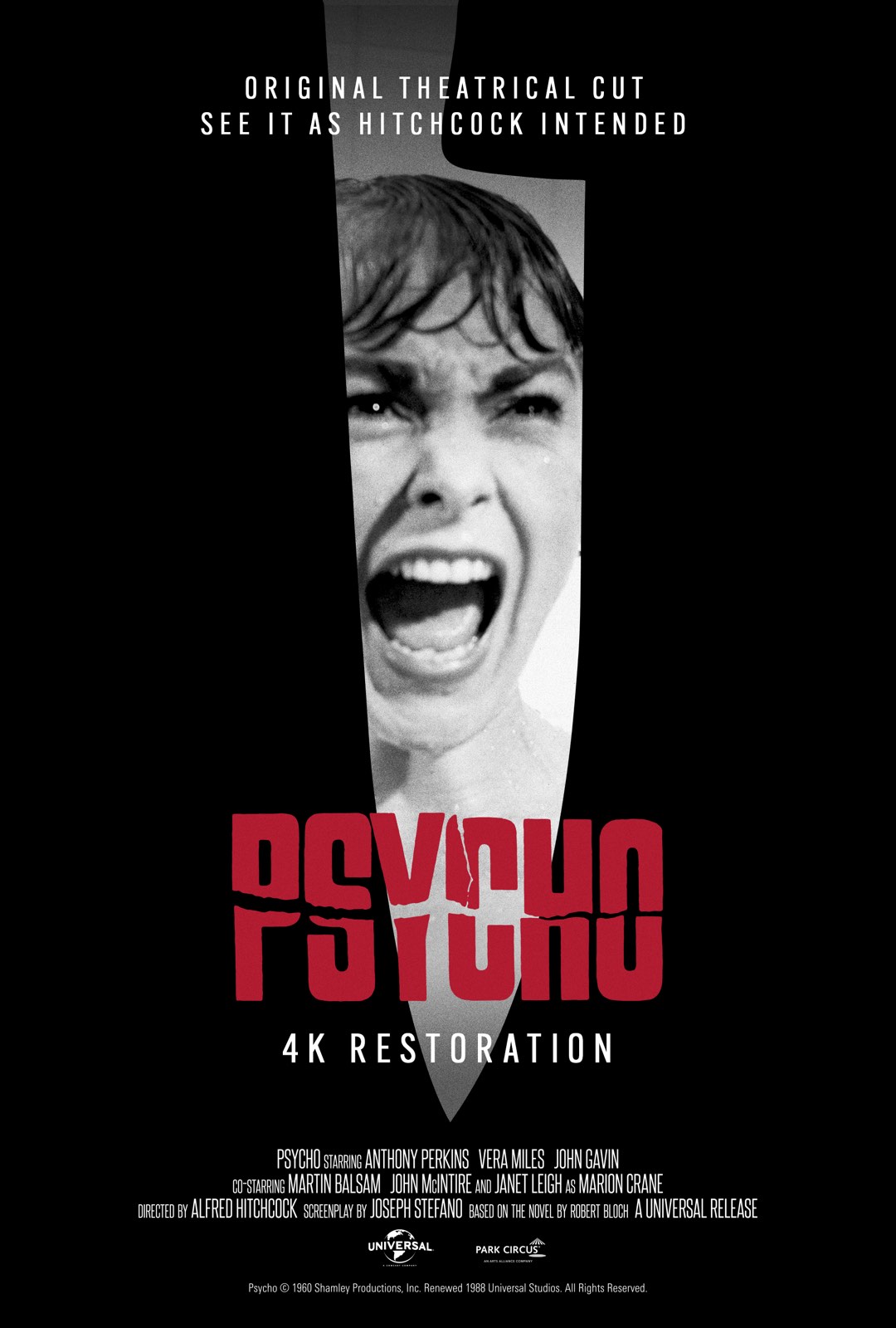
Alfred Hitchcock's Psycho . Just the name conjures images of a shadowy figure, a menacing glint of metal, and that iconic shower scene. Psycho isn't just a horror movie; it's a cultural touchstone. The film masterfully uses suspense, psychological manipulation, and groundbreaking cinematic techniques to create a truly terrifying experience. Many consider this to be a Psycho Movie Review: The Original Slasher That Redefined Horror . This meta description is essential as it gives the reader insight into the suspenseful and psychological manipulation that makes this film a must-see. We're going to dissect this cinematic masterpiece, exploring what makes it so effective and why it continues to resonate with audiences today.
Psycho isn't just scary; it's smart. Hitchcock plays with our expectations, lulling us into a false sense of security before unleashing pure terror. Think about it: we start with Marion Crane, a seemingly ordinary woman who makes a drastic decision. We follow her journey, empathize with her plight, and then… BAM! She's gone. The film cleverly shifts our focus to Norman Bates, a seemingly harmless, albeit awkward, young man who becomes the object of our suspicion and, surprisingly, our sympathy. The movie's impact stretches beyond just jump scares, it redefined horror storytelling and how we perceive it.
So, why is Psycho still relevant today? Well, it's because it taps into our deepest fears. Fear of the unknown, fear of the vulnerable, and fear of the darkness that can lurk within even the most seemingly normal individuals. It's a film that stays with you long after the credits roll, prompting you to question your own perceptions and assumptions. Psycho is a reminder that true horror isn't always about monsters and gore, but about the darkness that exists within the human psyche.
In essence, this exploration of Psycho Movie Review: The Original Slasher That Redefined Horror reveals why it's more than just a scary movie. It's a psychological thriller, a cinematic experiment, and a cultural phenomenon. Its influence on subsequent horror films is undeniable, shaping the slasher genre and inspiring countless filmmakers. From its innovative use of suspense to its complex characters, Psycho continues to be a source of fascination and inspiration for audiences and filmmakers alike.
A Deep Dive into Norman Bates' World
The Psychology of Norman Bates
Norman Bates is more than just a "bad guy." He's a complex, deeply disturbed individual shaped by a traumatic childhood and an unhealthy relationship with his mother. His awkwardness, his vulnerability, and his struggle to maintain a semblance of normalcy make him a surprisingly sympathetic character, even as we witness his horrifying actions.
The Mother Figure
The portrayal of Norman's mother, both in his mind and in reality, is central to understanding his character. She's not just a figure of authority; she's the embodiment of his repressed desires, his guilt, and his madness. The film brilliantly uses her presence, even in absentia, to create a sense of unease and dread.
The Shower Scene: A Masterclass in Suspense
The shower scene is arguably the most iconic scene in horror movie history. It's a masterclass in suspense, using quick cuts, jarring music, and strategic camera angles to create a sense of sheer terror.
Beyond the Gore
What makes the shower scene so effective isn't just the violence itself. It's the build-up, the anticipation, and the sudden, shocking nature of the attack. Hitchcock doesn't rely on gore; he uses suggestion and psychological manipulation to create a truly terrifying experience.
Psycho's Impact on the Horror Genre
The Birth of the Slasher
Psycho is widely considered to be the first true slasher film. While earlier horror movies featured monsters and supernatural threats, Psycho introduced a new kind of villain: a seemingly ordinary human being capable of unspeakable violence.
Setting the Stage for Future Horror
The film's influence can be seen in countless subsequent slasher films, from Halloween to Friday the 13th . Psycho established many of the tropes that would become staples of the genre, including the masked killer, the "final girl," and the emphasis on suspense and psychological terror.
Beyond the Slasher: Psychological Horror
Psycho also paved the way for a new kind of psychological horror film. Movies like The Silence of the Lambs and The Shining owe a debt to Psycho for its exploration of the dark corners of the human mind.
The Power of Suggestion
Hitchcock understood that what you don't see can be just as scary as what you do see. He masterfully used suggestion and implication to create a sense of unease and dread, leaving the audience to fill in the gaps with their own imaginations.
Analyzing the Cinematography and Sound
Visual Storytelling
Hitchcock was a master of visual storytelling, using camera angles, lighting, and composition to create a sense of unease and suspense.
The Use of Shadows
The film is filled with shadows, which create a sense of mystery and foreboding. The shadows seem to be closing in on the characters, trapping them in a world of darkness and despair.
The Power of Music
Bernard Herrmann's score for Psycho is iconic. The screeching violins during the shower scene are instantly recognizable and have become synonymous with horror.
Heightening the Tension
The music isn't just there to create a sense of fear; it also serves to heighten the tension and anticipation. The score builds gradually, creating a sense of unease that culminates in moments of shocking violence.
Psycho Movie Review: Addressing Common Questions
Was Psycho really that scary for its time?
Absolutely! Psycho was groundbreaking for its time. Audiences were not accustomed to seeing such graphic violence and psychological depth in a mainstream film.
Why was the shower scene so shocking?
The shower scene was shocking because it violated the audience's expectations. In the 1960s, moviegoers weren't used to seeing the main character killed off so early in the film. This unexpected twist, coupled with the graphic violence, made the scene particularly disturbing.
How did Hitchcock manage to create so much suspense?
Hitchcock was a master of suspense. He used a number of techniques to build tension, including:
Limited Information: Hitchcock often withheld information from the audience, leaving them to wonder what was going to happen next. Visual Cues: He used visual cues, such as shadows and close-ups, to create a sense of unease. Music: As mentioned earlier, the music played a crucial role in building suspense.
What are some other films that were influenced by Psycho ?
Countless horror films have been influenced by Psycho . Some notable examples include:
Halloween (1978) Friday the 13th (1980) The Silence of the Lambs (1991) Seven (1995)
Is Psycho still worth watching today?
Without a doubt! Psycho is a timeless classic that continues to resonate with audiences today. It's a masterclass in suspense and psychological horror, and it's a must-see for any fan of the genre. Psycho Movie Review: The Original Slasher That Redefined Horror is a testament to its enduring impact.
FAQs: Psycho's Enduring Legacy
Psycho Movie Review: Behind the Scenes
Was Psycho filmed in color?
Nope! Hitchcock famously chose to film Psycho in black and white, despite the availability of color film at the time. He did this for a few reasons: to save money (black and white film was cheaper), to avoid censorship issues (the shower scene would have been even more shocking in color), and to give the film a more gritty, realistic feel. The black and white actually adds to the suspense, doesn't it?
How did they film the shower scene?
The shower scene is a miracle of filmmaking, especially considering the technology available at the time. It involved a combination of techniques, including:
Multiple Camera Angles: Hitchcock used a variety of camera angles to create a sense of disorientation and confusion. Quick Cuts: The scene features a rapid succession of cuts, which heighten the tension and make the attack seem even more sudden. A Body Double: A body double was used for Janet Leigh in some of the shots.
It's amazing how they pulled it off without CGI, right?
Did Janet Leigh actually take a shower in the scene?
Yes, Janet Leigh did take a shower in the scene. However, she was never actually nude on camera. Hitchcock used clever camera angles and editing to create the illusion of nudity.
Psycho Movie Review: Modern Interpretations
How does Psycho hold up today?
In a world saturated with horror movies, often relying on jump scares and gore, Psycho holds up remarkably well. Its psychological depth, its masterful use of suspense, and its iconic imagery continue to resonate with audiences. It reminds us that true horror lies not in cheap thrills but in the exploration of the human psyche.
What can modern filmmakers learn from Psycho?
Modern filmmakers can learn a lot from Psycho , including:
The Importance of Suspense: Hitchcock understood that suspense is more effective than gore. The Power of Character Development: The characters in Psycho are complex and believable, which makes the story all the more compelling. The Value of Visual Storytelling: Hitchcock was a master of visual storytelling, using camera angles, lighting, and composition to create a sense of unease and dread.
Psycho Movie Review: Further Exploration
What are some books or documentaries about Psycho?
If you want to delve even deeper into the world of Psycho , there are plenty of resources available. Some recommended books and documentaries include:
Hitchcock/Truffaut by François Truffaut Alfred Hitchcock: A Life in Darkness and Light by Patrick McGilligan 78/52: Hitchcock's Shower Scene (Documentary)
Where can I watch Psycho?
Psycho is available to rent or purchase on most major streaming platforms. You can also find it on DVD and Blu-ray. So, grab some popcorn, turn off the lights, and prepare to be scared!
Conclusion: Psycho's Lasting Impact
Psycho , without a doubt, earns its place in cinema history. This Psycho Movie Review: The Original Slasher That Redefined Horror reaffirms its status as a groundbreaking film that continues to influence filmmakers and terrify audiences to this day. Its exploration of the human psyche, its masterful use of suspense, and its iconic imagery have cemented its legacy as a true masterpiece of horror. If you haven't seen it, now's the time to experience the original slasher that redefined horror. The film's themes of repression, trauma, and the darkness that can lurk within seemingly normal individuals are as relevant today as they were in 1960.